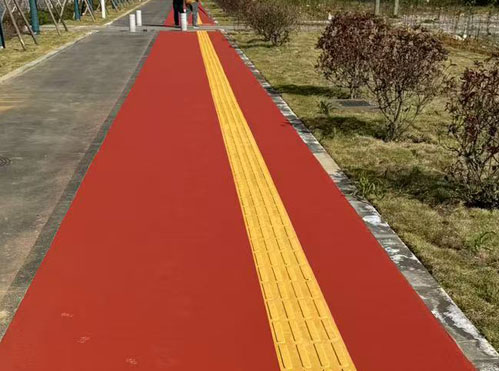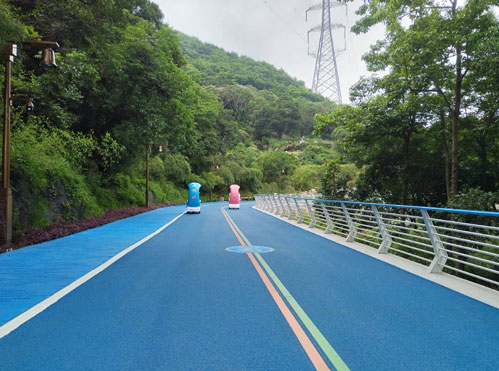

Cities use colored pavement as a multifunctional infrastructure tool that improves traffic safety, organizes urban space, and enhances the visual identity of streets and public areas. In modern urban planning, colored surfacing has become an important part of transportation systems, supporting both functional efficiency and aesthetic design.
One of the main reasons cities adopt colored pavement is to reduce traffic accidents and improve road user awareness. Color provides immediate visual cues that help drivers, cyclists, and pedestrians understand road conditions faster.
Colored pavement improves safety by:
Highlighting pedestrian crossings and conflict zones
Increasing visibility of bicycle lanes and bus lanes
Reducing driver reaction time at intersections
Improving awareness in school and hospital zones
This makes roads easier to interpret and safer to navigate.
Modern cities have multiple types of mobility systems operating simultaneously—cars, buses, bicycles, and pedestrians. Colored pavement helps clearly separate these systems.
Common color functions include:
Red: bus priority lanes
Green: bicycle corridors
Blue: pedestrian or shared spaces
Yellow: warning or transition zones
This visual organization reduces confusion and improves traffic flow efficiency.
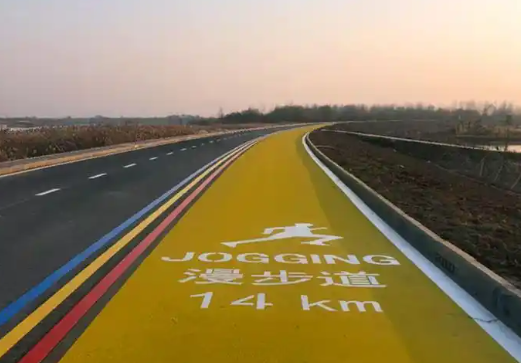
Colored pavement improves visibility in both daytime and nighttime conditions. It is especially effective in:
Rainy weather
Foggy environments
Low-light urban areas
Tunnel and underpass zones
Compared to standard asphalt, colored surfaces provide stronger visual contrast and clearer road definition.
Many colored pavement systems also function as high-friction surfacing. They use textured aggregates such as ceramic particles or bauxite to improve grip and reduce skidding risks.
Safety benefits include:
Shorter braking distances
Improved cornering stability
Reduced accident risk on wet roads
Safer pedestrian crossings
This combination of color and friction makes roads both visible and physically safer.
Beyond safety, colored pavement contributes to modern urban aesthetics. Cities use it to create visually appealing and well-structured environments.
It is commonly used to:
Design themed streets and districts
Highlight public squares and plazas
Improve park and waterfront pathways
Strengthen tourism and commercial zones
This helps cities build a recognizable visual identity.
Colored pavement is increasingly integrated into smart city and sustainable transportation strategies. It supports:
Dedicated bicycle and public transport networks
Reduced traffic conflicts between mobility types
Better pedestrian-friendly environments
Data-supported urban design layouts
It also aligns with low-maintenance and long-life infrastructure goals.
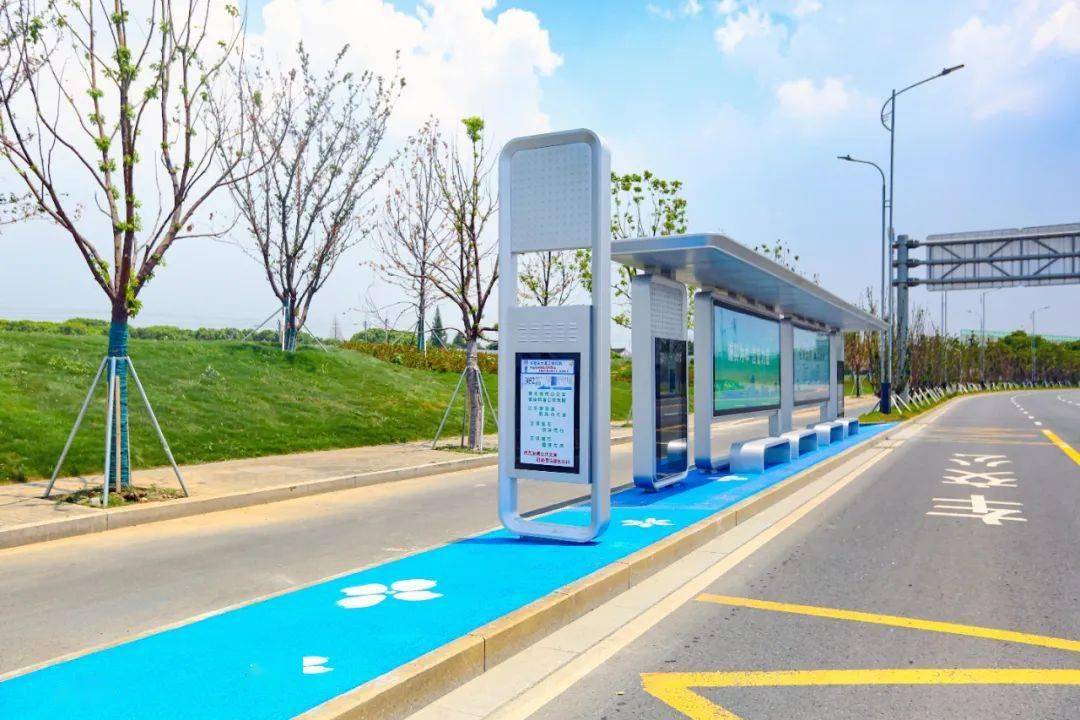
Instead of rebuilding roads, colored pavement can often be applied as a surface treatment, making it a cost-efficient solution.
Advantages include:
Lower construction costs compared to reconstruction
Faster installation and reopening
Reduced traffic disruption
Extended pavement service life
This makes it suitable for both large cities and smaller municipalities.
Cities use colored pavement because it combines safety, organization, and visual design in a single infrastructure solution. It improves traffic visibility, reduces accidents, and helps structure complex urban mobility systems.
As urban environments continue to grow and become more complex, colored pavement will remain an essential tool in building safer, smarter, and more visually coherent cities.