Anti-Skid Road Coating for Safer Driving Conditions
Anti-skid road coating is a specialized surface treatment designed to improve tire grip, reduce slipping risk, and enhance overall driving safety on roads exposed to heavy traffic and changing weather conditions. It is widely used on highways, urban roads, intersections, ramps, bridges, and hazardous curves where stable traction is critical.
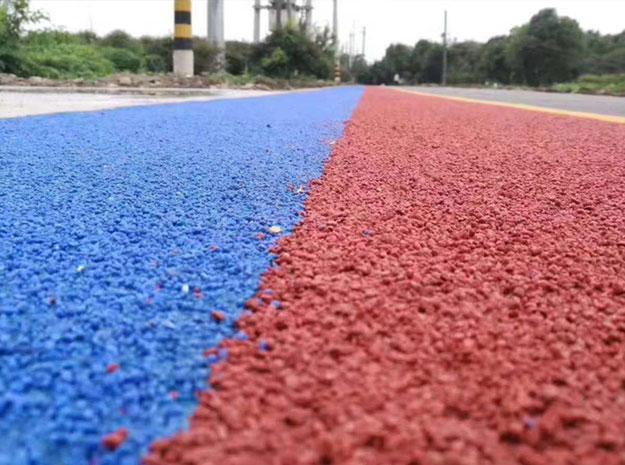
The working principle of anti-skid coating is based on surface friction enhancement. Advanced formulations use polymer binders such as MMA resin, epoxy-modified systems, or polyurethane-based materials combined with high-friction aggregates like ceramic particles, basalt, or quartz sand. These aggregates create a rough, durable micro-texture that increases the contact friction between tires and pavement. This significantly improves vehicle stability, especially during braking, acceleration, and turning.
One of the most important benefits of anti-skid road coating is improved driving safety under adverse conditions. Wet roads, oil contamination, and worn asphalt surfaces can drastically reduce friction and increase accident risks. Anti-skid coatings help maintain traction even in rain or low-visibility conditions, reducing stopping distances and improving driver control.
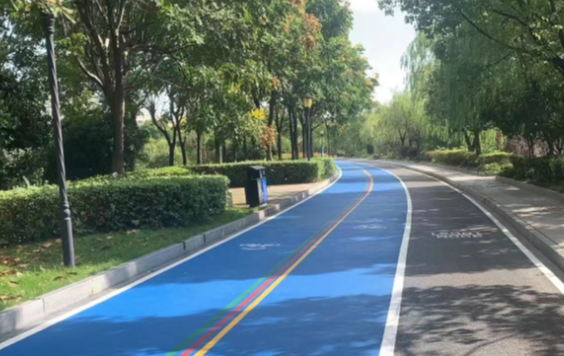
In high-risk areas such as intersections, downhill slopes, sharp curves, and bridge decks, anti-skid coatings play a crucial role in accident prevention. They provide early visual warning when combined with colored systems and offer physical grip enhancement that supports safer maneuvering.
Durability is another key advantage. Modern anti-skid coatings are engineered to resist UV exposure, temperature changes, heavy traffic loads, and long-term abrasion. Unlike traditional paint markings, they maintain both texture and performance over extended service periods, reducing maintenance frequency and lifecycle costs.
From an infrastructure perspective, anti-skid coatings are a cost-effective alternative to full resurfacing. They can be applied directly onto existing asphalt or concrete surfaces with minimal preparation, allowing for fast installation and limited traffic disruption.
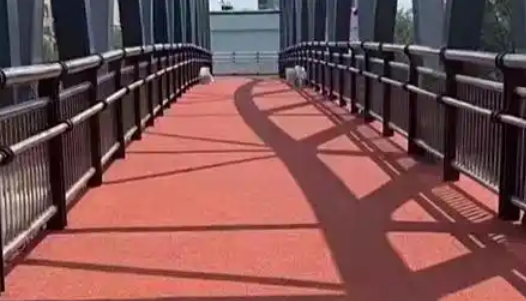
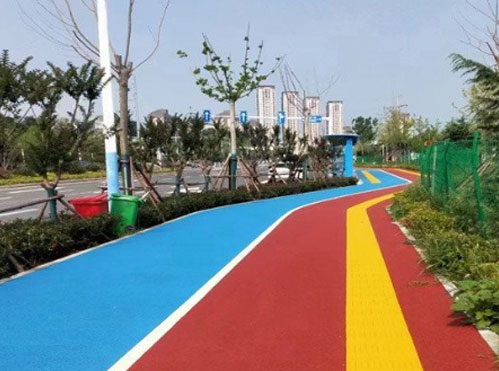
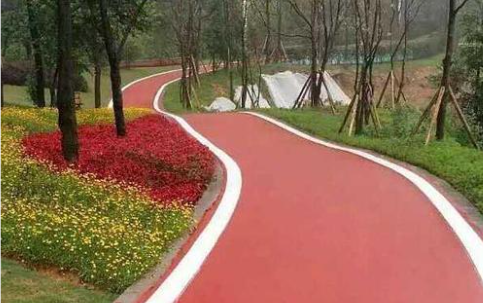
In addition, these coatings can be combined with color systems to improve road visibility and functional zoning. For example, red or green anti-skid surfaces can highlight bus lanes, bike lanes, or pedestrian crossings, further enhancing traffic organization.
In conclusion, anti-skid road coating is a practical and high-performance solution for improving driving safety. By combining advanced materials, surface engineering, and functional design, it helps create roads that are safer, more reliable, and better suited to modern transportation demands.