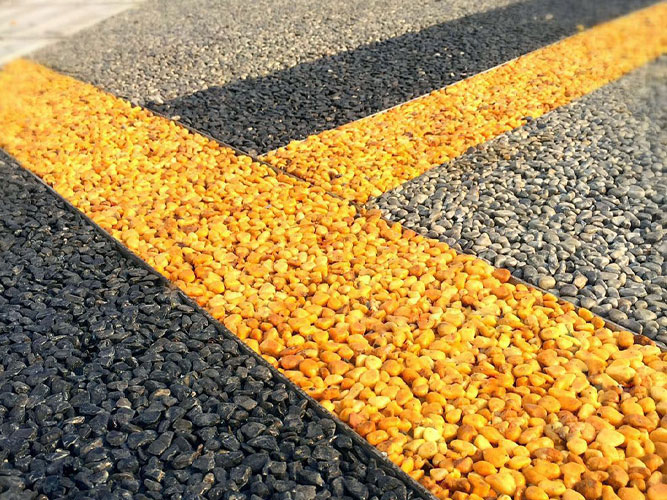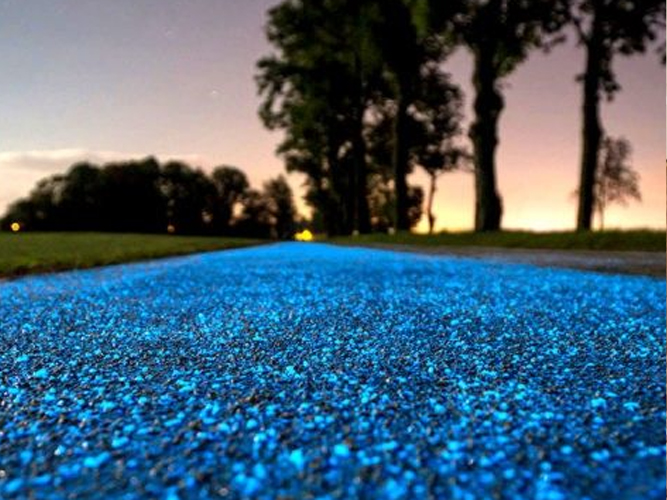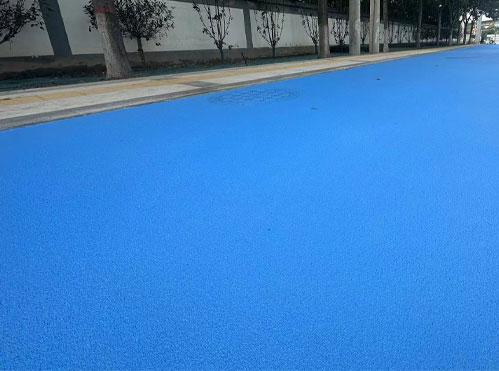
Colored coatings for bike lanes are specialized pavement surface systems designed to improve cyclist safety, enhance lane visibility, and support organized urban mobility. These coatings are applied to asphalt or concrete surfaces to clearly distinguish bicycle lanes from vehicle traffic and pedestrian areas, helping create safer and more efficient transportation networks in cities.
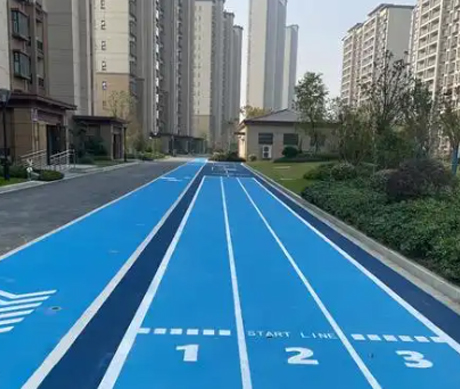
The primary purpose of colored bike lane coatings is visual guidance. Bright colors such as green, red, or blue are commonly used to mark cycling routes, making them easily recognizable for both drivers and cyclists. This clear separation reduces the risk of vehicle intrusion into bike lanes and helps improve traffic awareness at intersections, crossings, and shared road spaces.
In addition to visibility, modern colored coatings often include anti-slip properties. Resin-based systems such as MMA, epoxy, polyurethane, or water-based binders are combined with high-friction aggregates like quartz sand or ceramic particles. This textured surface improves tire grip, especially in wet weather conditions, reducing the risk of skidding and enhancing cyclist stability.
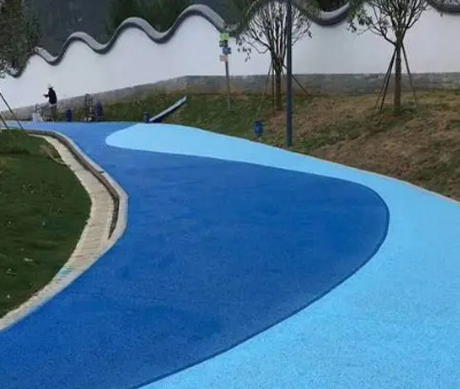
Durability is another key feature of bike lane coatings. High-performance materials resist UV exposure, abrasion, oil contamination, and weather damage, allowing the color and texture to remain effective over long periods of use. MMA systems are especially valued for their fast curing time and strong adhesion, making them suitable for busy urban roads where traffic disruption must be minimized.
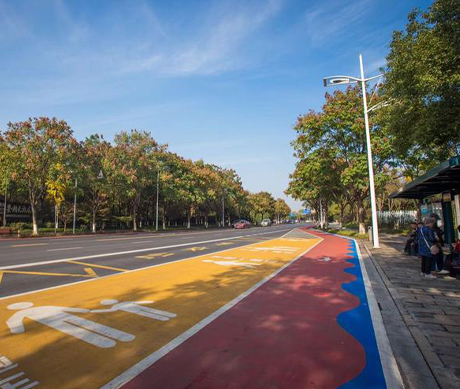
Colored bike lane coatings are widely used in urban streets, waterfront paths, parks, university campuses, commercial districts, and transportation hubs. They help support cycling infrastructure development by making bike routes more intuitive and safer for users of all ages.
Overall, colored coatings for bike lanes combine safety, durability, and visual clarity, playing an important role in promoting sustainable transportation and improving modern urban road design.