Anti-slip Road Coating for Various Pavement Types
Anti-slip road coating is a versatile surface treatment designed to improve friction, safety, and durability across different pavement types. It is widely applied on asphalt, concrete, steel structures, and mixed-surface areas where skid resistance and surface reliability are essential.
The core principle of anti-slip coating technology is surface texture engineering. By using high-performance binders such as MMA resin, polymer-modified emulsions, or polyurethane systems combined with hard aggregates like ceramic particles or quartz sand, the coating forms a rough micro-structure. This texture increases the contact friction between tires or foot traffic and the pavement, significantly reducing slipping risks in both dry and wet conditions.
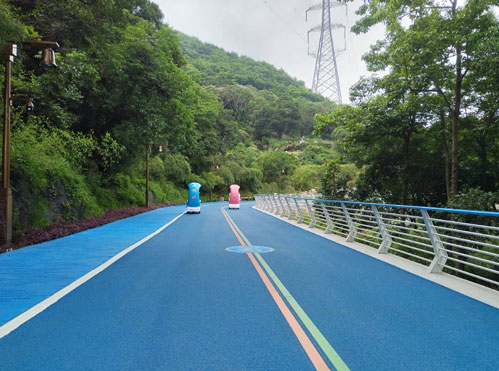
For asphalt pavement, anti-slip coatings are commonly used to restore worn surfaces and enhance safety in high-traffic zones such as intersections, ramps, and urban roads. The coating bonds well with asphalt substrates and helps extend service life by reducing surface wear and oxidation.
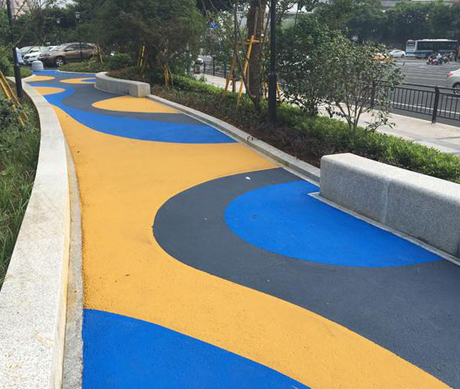
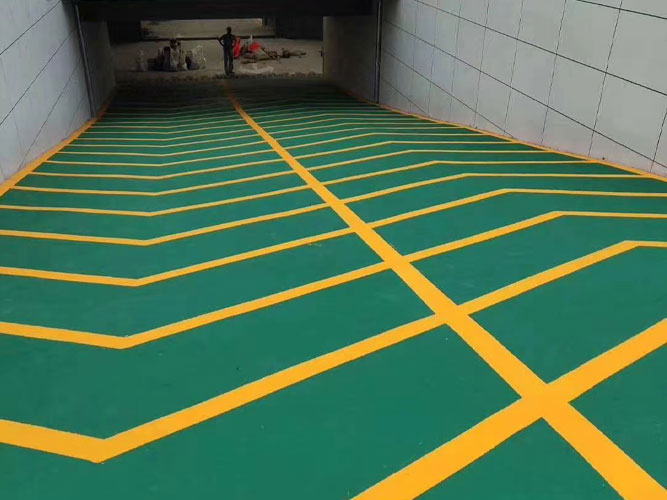
On concrete surfaces, the coating improves smoothness-related safety issues. Concrete can become slippery when polished over time, especially in pedestrian areas, parking garages, or public plazas. Anti-slip coatings add a textured layer that restores grip and improves walking and driving stability.
For steel or bridge decks, specialized anti-slip systems are used to prevent corrosion while increasing traction. These coatings are engineered to withstand vibration, heavy loads, and environmental exposure, making them suitable for bridges, elevated walkways, and industrial platforms.
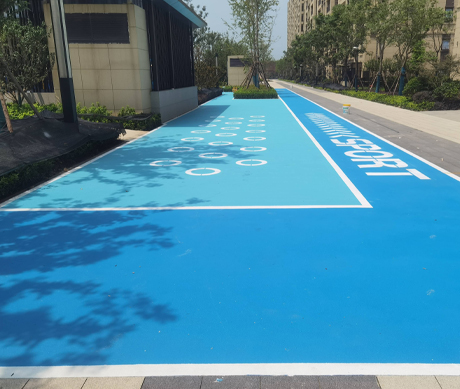
One of the key advantages of anti-slip road coatings across all pavement types is adaptability. The system can be customized in thickness, texture level, and color depending on functional requirements. Colored versions help distinguish lanes, highlight danger zones, and improve visual guidance for road users.
Durability is another important benefit. Modern formulations are designed to resist UV radiation, rain, freeze-thaw cycles, and mechanical abrasion. This ensures long-term performance even in harsh outdoor environments with heavy traffic loads.

Application is relatively efficient, using spray, roller, or trowel methods depending on surface conditions. The coating integrates with existing pavement layers, reducing the need for full reconstruction and lowering maintenance costs.
In summary, anti-slip road coating for various pavement types provides a flexible and high-performance solution for improving safety and extending pavement life. Its combination of friction enhancement, durability, and visual functionality makes it suitable for a wide range of modern infrastructure applications.