Colored anti-slip road surfacing is a modern pavement engineering solution that combines high-friction performance with color-based traffic guidance. It is designed to improve road safety, enhance visibility, and extend pavement service life in high-risk or high-traffic urban areas.
This engineering guide explains system structure, materials, design principles, construction methods, and performance considerations for colored anti-slip surfacing systems.
Colored anti-slip surfacing is a thin functional layer applied over asphalt or concrete pavements. It uses resin binders, pigments, and high-friction aggregates to create a durable surface with both skid resistance and visual traffic guidance.
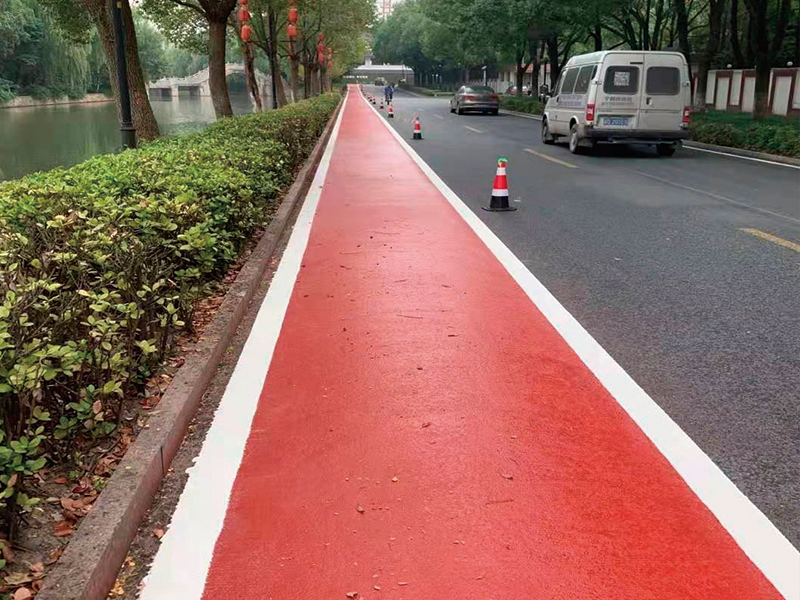
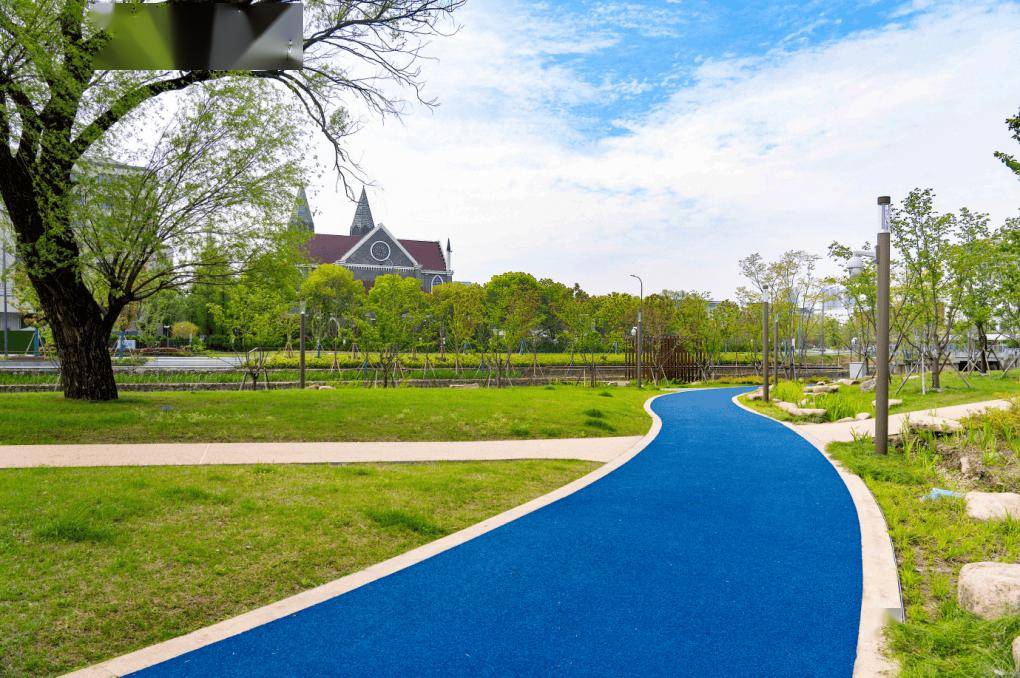
It is commonly used in bicycle lanes, pedestrian crossings, intersections, ramps and bridges, bus lanes, and tunnel entrances.
Colored anti-slip surfacing works through two integrated mechanisms.
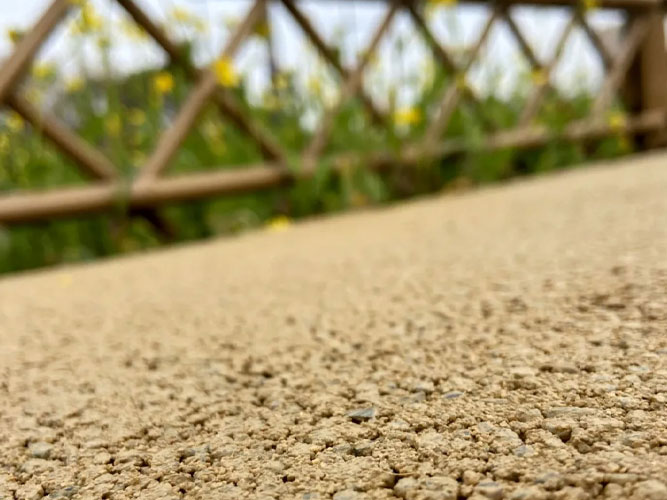
The first is friction enhancement. High-friction aggregates such as ceramic particles or quartz sand create a rough micro-texture that increases tire grip and improves braking stability, especially in wet conditions.
The second is visual guidance. Pigments embedded in the binder system provide high-contrast colors that help define traffic functions and guide road users more clearly.
Together, these two mechanisms improve both physical safety and visual communication on the road.
A typical colored anti-slip pavement system includes a base layer, primer layer, binder layer, aggregate layer, and optional sealing layer.
The base layer is usually asphalt concrete or cement concrete and must be clean and structurally stable. The primer layer improves adhesion and seals surface pores. The binder layer can be MMA resin, epoxy, polyurethane, or water-based emulsions. The anti-slip aggregate layer consists of ceramic particles, quartz sand, or other high-friction minerals. A sealing layer may be added to improve durability and UV resistance.
Different binder systems are selected based on performance requirements.
MMA resin systems offer rapid curing and high strength, making them suitable for bridges, tunnels, and highways. Epoxy systems provide strong adhesion and chemical resistance for heavy-load areas. Polyurethane systems offer elasticity and are suitable for ramps and urban streets. Water-based systems are environmentally friendly and used in bicycle and pedestrian infrastructure.
Skid resistance design must consider traffic speed, curve radius, wet-weather conditions, and braking zones. High-risk areas require higher friction performance.
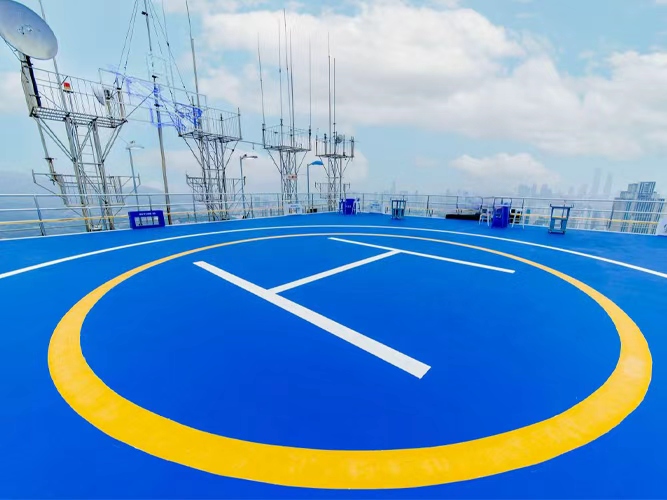
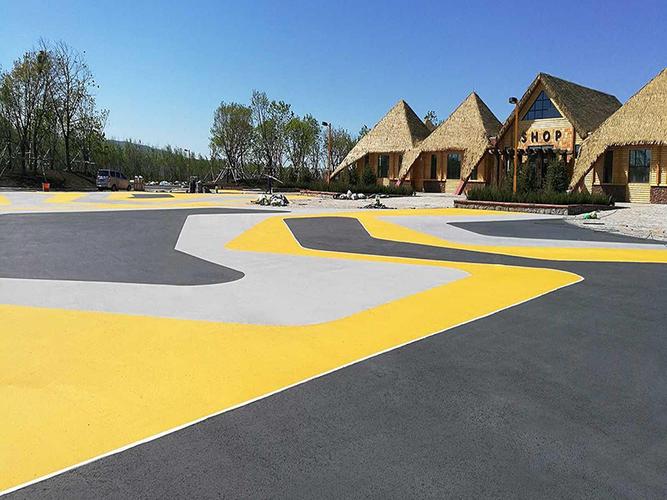
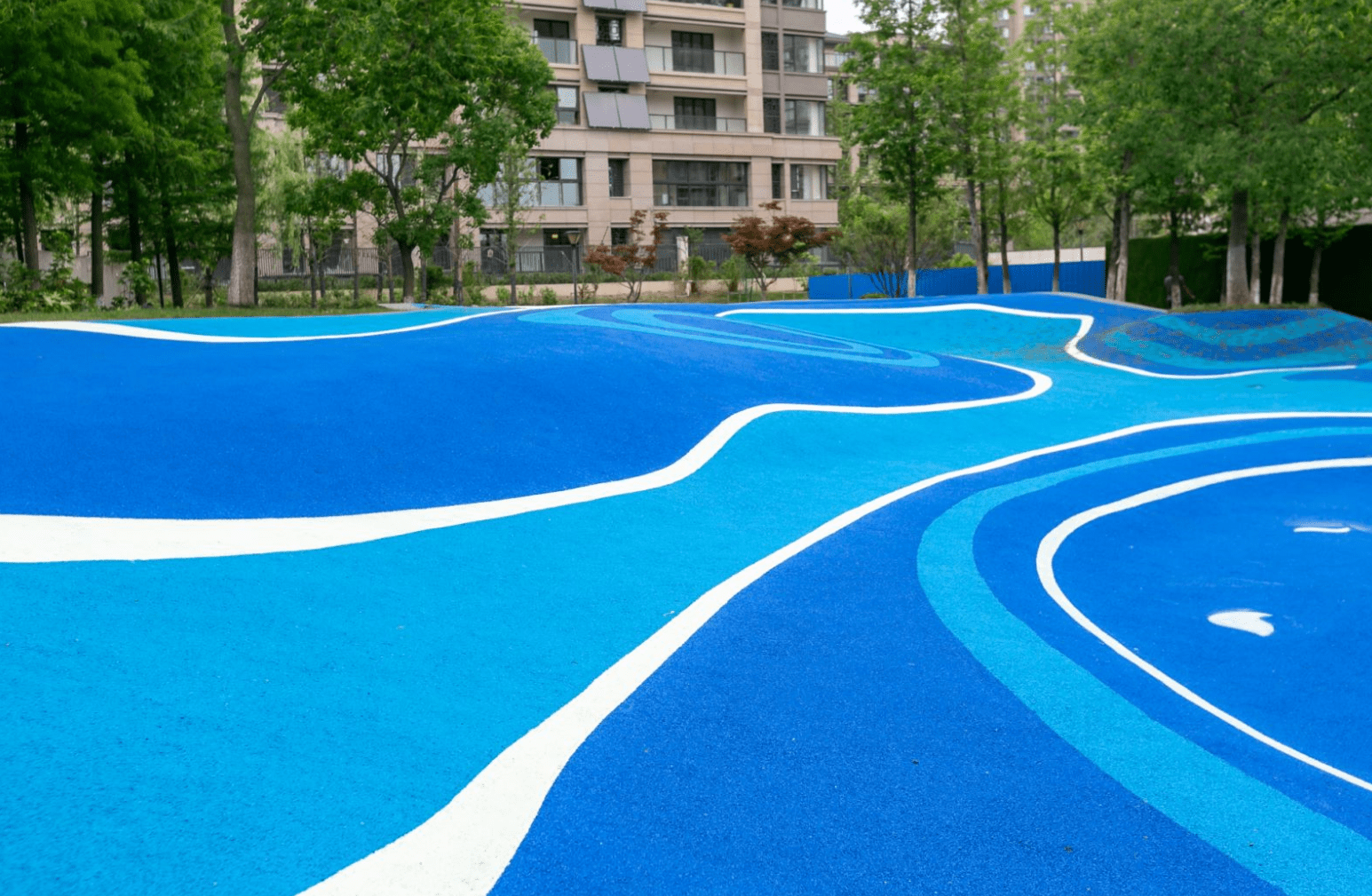
Color design is used for functional classification. Red is typically used for bus lanes or warning zones, green for bicycle lanes, yellow for caution areas, and blue for special-use zones. All colors must maintain UV resistance and long-term stability.
Thickness generally ranges from 2 to 5 millimeters for thin coatings and 3 to 8 millimeters for high-friction systems. Aggregate size must match traffic load and required surface texture.
Drainage performance is also critical. Proper surface texture ensures water runoff, reduces hydroplaning risk, and maintains stable friction in rainy conditions.
Construction begins with surface preparation, including cleaning, degreasing, crack repair, and drying. A primer is then applied to improve bonding strength.
Next, the binder system is mixed with pigments and additives and evenly applied to the surface. Anti-slip aggregates are broadcast uniformly to ensure consistent texture.
Finally, the system is cured through chemical or ambient processes. Once fully cured, the pavement can be reopened to traffic.
Colored anti-slip surfacing provides high skid resistance in both wet and dry conditions. It improves braking safety, enhances visual guidance, and supports long service life. It also allows fast installation and reduces maintenance frequency compared with traditional pavement systems.
This technology is widely used in urban intersections, bicycle lanes, pedestrian crossings, bridge decks, ramps, tunnel entrances, bus rapid transit corridors, parking garages, and school or hospital zones. These areas benefit most from improved safety and traffic organization.
Key challenges include long-term color fading resistance, aggregate wear under heavy traffic, bond strength in extreme climates, thermal expansion compatibility, and maintenance planning in high-traffic environments. Advanced resin systems and ceramic aggregates are commonly used to address these issues.
Colored anti-slip road surfacing is evolving toward low-carbon and water-based systems, more durable ceramic aggregates, improved color stability, and integration with smart transportation infrastructure. These advancements support safer, more sustainable, and more intelligent urban road networks.
Colored anti-slip road surfacing is an important modern engineering solution that combines safety, durability, and visual communication. Through advanced materials and optimized design, it significantly improves road performance and contributes to safer and more efficient urban transportation systems.