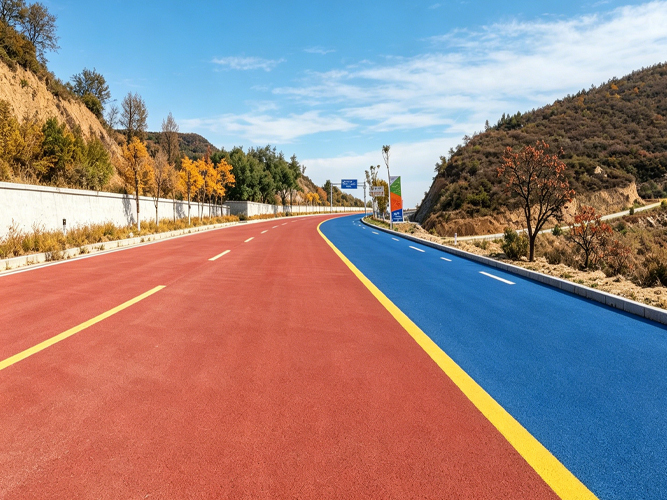
Colored pavement coatings are protective and decorative surface systems applied to asphalt or concrete to improve road visibility, safety, and durability. They are widely used in modern urban infrastructure to clearly define traffic functions, enhance pedestrian safety, and improve the overall organization of transportation networks.
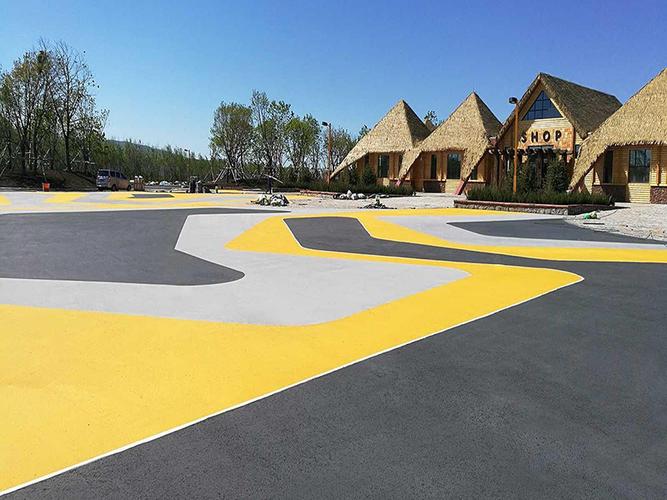
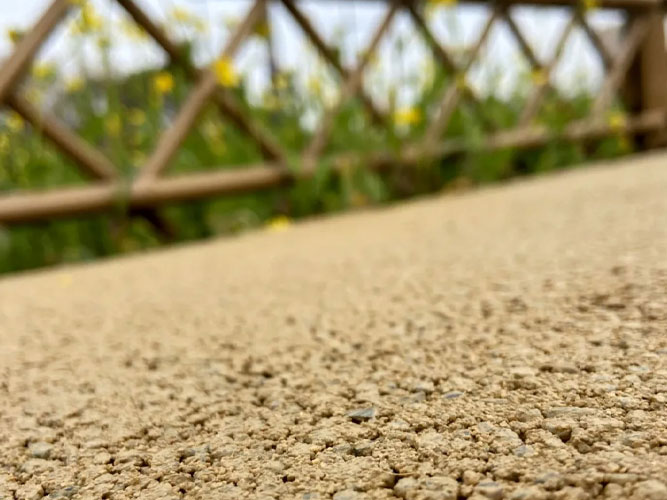
At their core, colored pavement coatings consist of a binding material combined with pigments and high-friction aggregates. Common binders include MMA resin, epoxy resin, polyurethane, and water-based coatings. These binders act as a strong adhesive layer that bonds the coating to the pavement surface. Pigments provide long-lasting color, while aggregates such as ceramic particles, quartz sand, or calcined bauxite create a textured anti-slip surface.
One of the key advantages of colored pavement coatings is improved road safety. Bright colors such as red, green, blue, and yellow are used to mark different traffic zones, including bicycle lanes, bus lanes, pedestrian crossings, and warning areas. This visual differentiation helps drivers and pedestrians quickly recognize road functions, reducing confusion and lowering accident risk in busy urban environments.
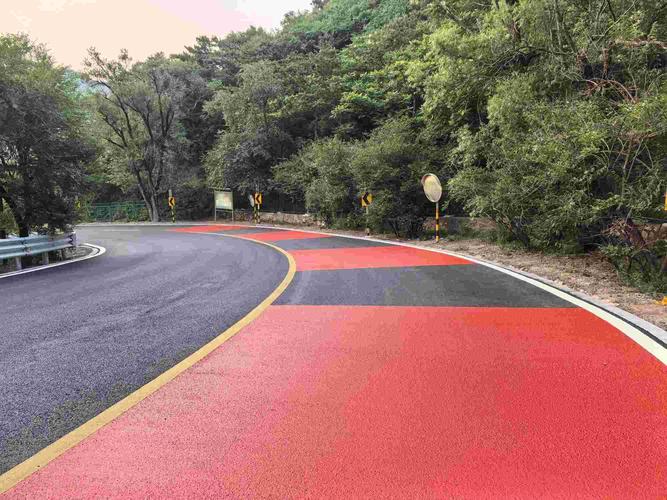
In addition to visual guidance, anti-slip performance is a major functional benefit. The rough surface created by embedded aggregates increases friction between tires and pavement. This improves vehicle control during braking, cornering, and wet weather conditions, making roads safer for both vehicles and pedestrians.
Durability is another important feature of modern colored coatings. Advanced resin-based systems offer strong resistance to UV radiation, abrasion, oil stains, and water damage. MMA-based coatings are especially known for fast curing and long service life, making them suitable for high-traffic areas where minimal downtime is required. Water-based systems, on the other hand, are widely used in eco-friendly projects due to their low VOC emissions.
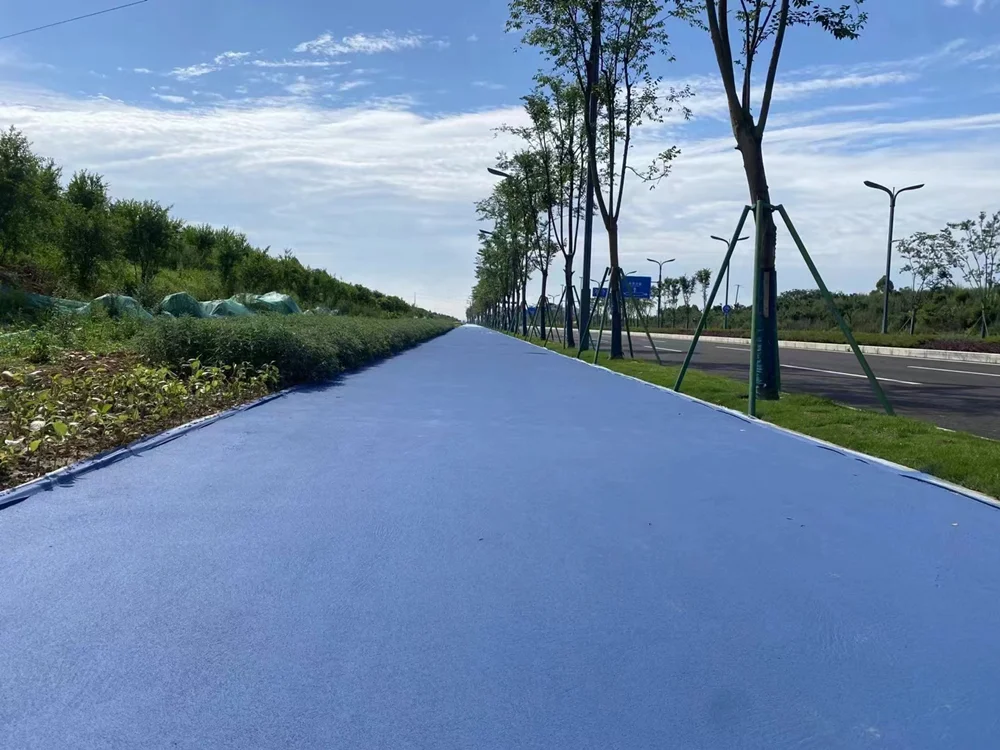
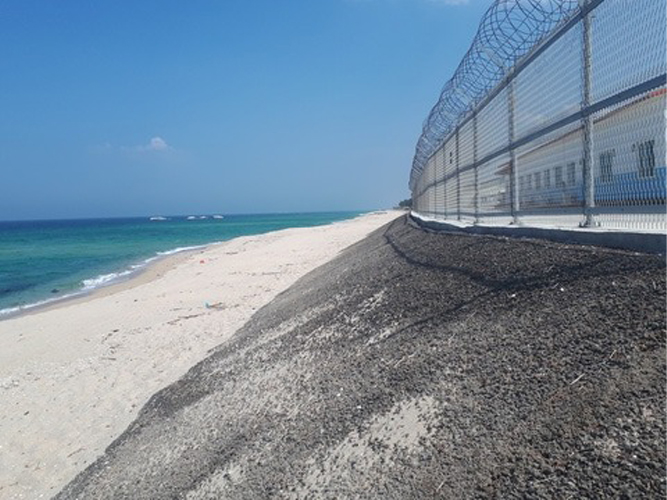
Colored pavement coatings are applied in many environments, including urban roads, intersections, bike lanes, parking facilities, airports, bridges, tunnels, and public spaces. They are also commonly used in smart city planning to improve traffic organization and support sustainable mobility systems.
Overall, colored pavement coatings combine safety, durability, and aesthetic value, making them an essential solution in modern road engineering and urban development.