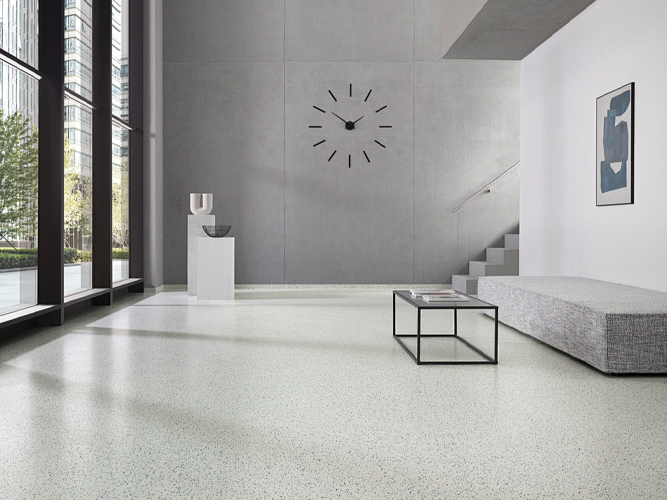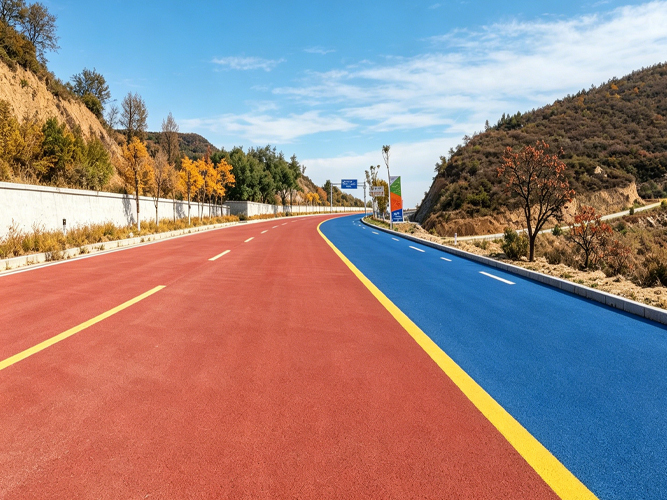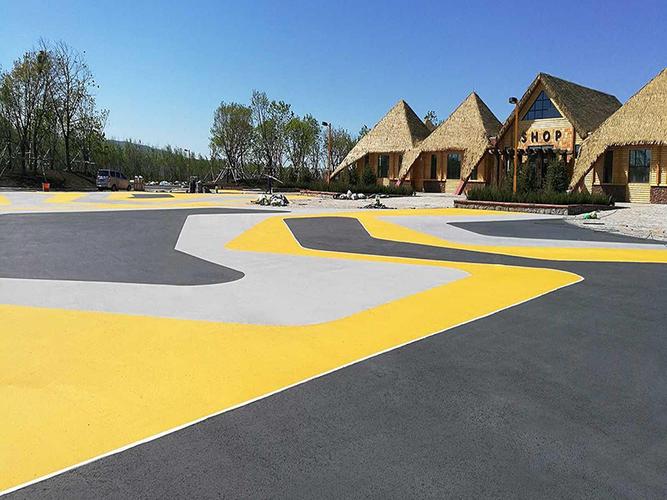
Anti-slip colored pavement has become an essential component of modern transportation infrastructure and landscape development. Combining vibrant colors with high-friction surface performance, these pavement systems improve road safety, enhance traffic organization, and create visually attractive public spaces. Widely used in urban roads, bicycle lanes, pedestrian areas, and commercial developments, anti-slip colored pavement offers both functional and aesthetic benefits for a variety of applications.
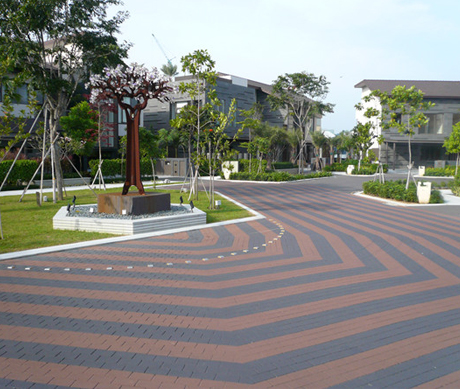
Anti-slip colored pavement is a surface treatment system that incorporates colored aggregates and high-performance binders to create a durable, skid-resistant pavement surface. Materials commonly used include colored ceramic aggregate, calcined bauxite, epoxy resin, polyurethane resin, and MMA (Methyl Methacrylate) systems.
The resulting surface provides enhanced traction while maintaining bright, long-lasting color for improved visibility and urban aesthetics.
Before exploring its applications, it is important to understand why anti-slip colored pavement is widely adopted:
Excellent skid resistance
Improved traffic safety
Enhanced road visibility
Long-lasting color stability
High wear resistance
Weather durability
Low maintenance requirements
Attractive decorative appearance
These benefits make it suitable for both transportation and landscape projects.
One of the most common applications of anti-slip colored pavement is in bicycle lane construction.
Benefits include:
Clear separation between bicycles and vehicle traffic
Improved cyclist safety
Enhanced route visibility
Better traction during wet conditions
Strong visual guidance for road users
Green-colored bicycle lanes are particularly popular in urban environments.
Anti-slip colored pavement helps increase pedestrian safety by making crossing zones highly visible to drivers.
Applications include:
Signalized crosswalks
School crossings
Public plaza crossings
Transit station access points
The textured surface also reduces slip risks for pedestrians during rainy weather.
School zones require enhanced visibility and traffic calming measures to protect children and pedestrians.
Colored anti-slip pavement can:
Highlight school entrances
Mark crossing points
Encourage speed reduction
Increase driver awareness
Brightly colored surfaces provide a clear visual reminder for motorists to proceed with caution.
Many cities use red anti-slip colored pavement to identify dedicated bus lanes and public transportation routes.
Advantages include:
Improved lane recognition
Better traffic management
Enhanced safety for public transit vehicles
Reduced lane encroachment by other vehicles
The durable surface withstands the demands of heavy bus traffic.
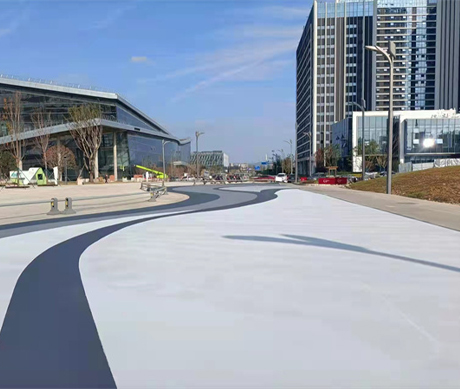
Intersections are among the highest-risk locations for traffic accidents. High-friction colored pavement helps improve safety by:
Increasing skid resistance
Reducing braking distances
Alerting drivers to approaching intersections
Improving visibility in complex traffic environments
These benefits contribute to lower accident rates and safer driving conditions.
Vehicles are more likely to lose traction on sharp curves, steep grades, and access ramps.
Anti-slip colored pavement enhances safety by:
Providing superior grip
Improving vehicle stability
Reducing skidding risks
Enhancing driver awareness of changing road conditions
This application is particularly valuable in accident-prone locations.
Colored pavement is widely used in landscape and recreational projects due to its decorative appeal and safety performance.
Common applications include:
Walking trails
Jogging paths
Cycling routes
Public plazas
Waterfront promenades
The combination of aesthetics and slip resistance improves user experience while enhancing public safety.
Property developers often use anti-slip colored pavement to improve both functionality and appearance.
Typical applications include:
Community pathways
Parking areas
Building entrances
Courtyards
Residential streets
Decorative colored surfaces help create attractive and well-organized environments.
Safety is a major concern in industrial environments where pedestrian and vehicle traffic frequently interact.
Anti-slip colored pavement can be used to:
Mark safety zones
Identify walkways
Designate loading areas
Improve visibility in work environments
The durable surface performs well under demanding operational conditions.
Large transportation facilities use colored anti-slip surfaces to improve navigation and traffic management.
Applications include:
Passenger walkways
Service vehicle routes
Bus transfer areas
Transit station access paths
Enhanced visibility helps improve operational efficiency and safety.
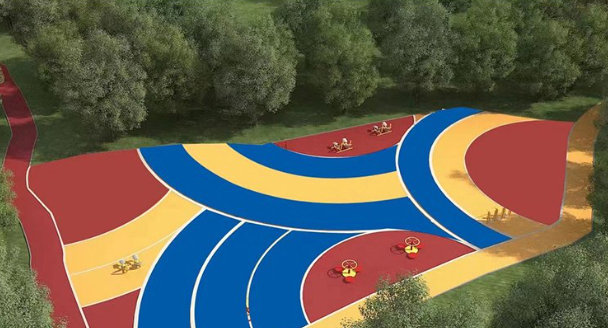
Anti-slip colored pavement applications continue to expand as cities, transportation agencies, and developers seek safer and more visually appealing infrastructure solutions. From bicycle lanes and pedestrian crossings to bus lanes, parks, and commercial developments, these high-friction surfaces provide outstanding safety, durability, and aesthetic value. By combining enhanced traction with long-lasting color performance, anti-slip colored pavement remains one of the most effective solutions for modern roadway and landscape projects.