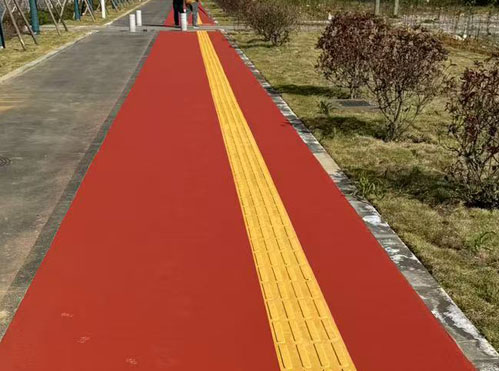
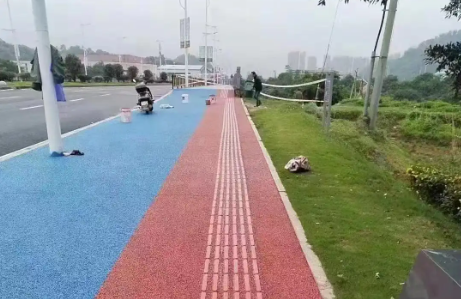
Cast-in-place diamond tactile paving is a specialized surface guidance system designed to assist visually impaired pedestrians while improving overall pedestrian safety and accessibility. It is formed directly on-site using durable materials such as concrete, resin, or polymer-modified compounds, and features a diamond-shaped tactile pattern that provides both visual and physical cues.
This type of tactile paving is widely used in sidewalks, pedestrian crossings, transit stations, ramps, and public facilities where safe navigation and universal accessibility are required.
Cast-in-place diamond tactile paving is a continuous surface treatment installed directly on the existing substrate without prefabricated blocks. The surface is formed and textured on-site, creating a strong bond with the base pavement.
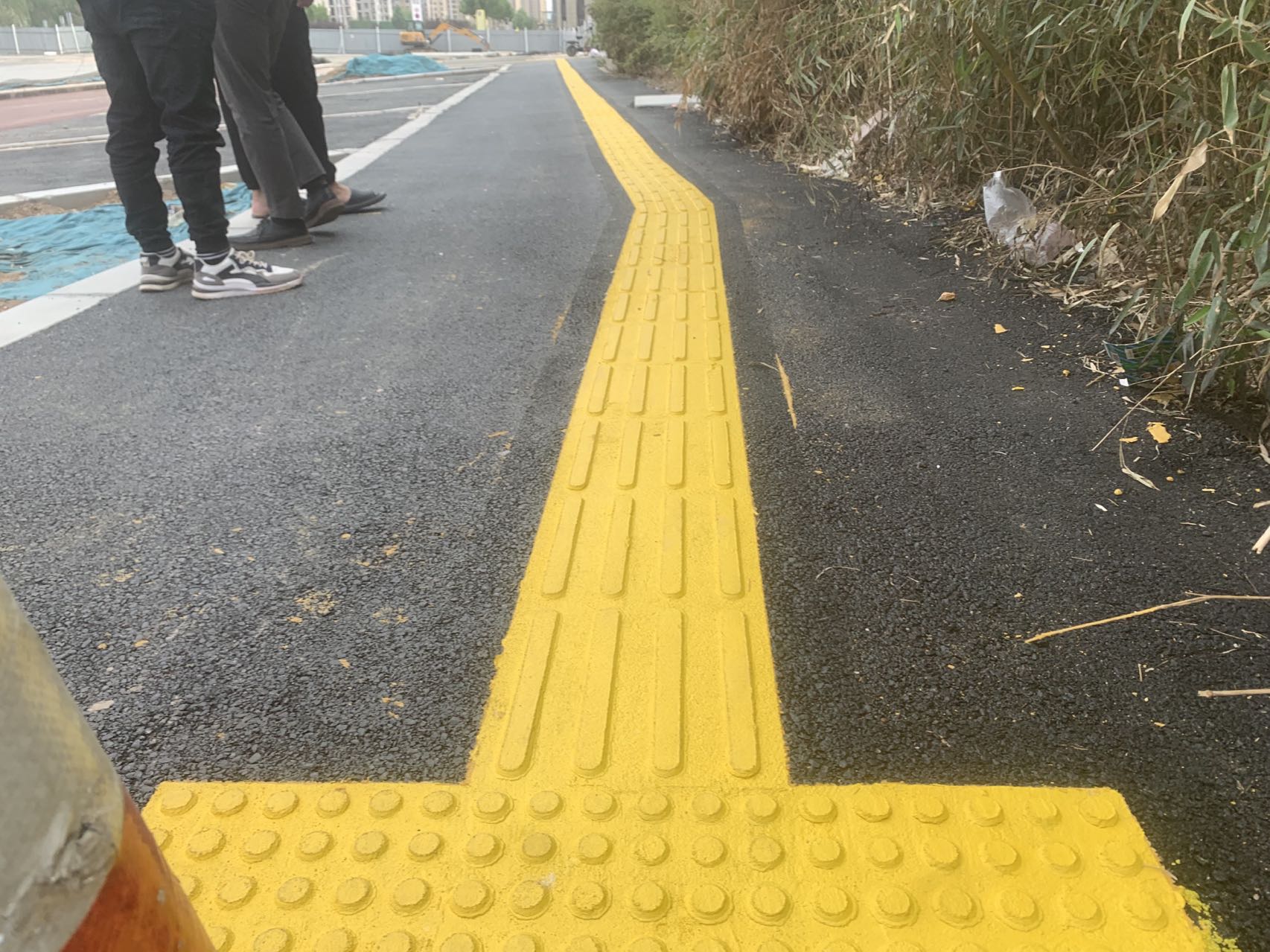
The “diamond” pattern refers to the raised geometric texture designed to be detected underfoot or by a white cane. This pattern helps guide pedestrians and warn them of changes in direction, hazards, or crossing zones.
Common materials include:
Cement-based modified mortar
Epoxy or polyurethane resin systems
Polymer-modified concrete
Anti-slip aggregates and pigments
The system works by combining tactile geometry with material durability:
The raised diamond texture provides tactile feedback to pedestrians, especially those with visual impairments. It helps indicate safe walking paths, directional changes, or caution zones.
High-contrast colors (such as yellow or red) improve visibility for partially sighted users and all pedestrians.
Because it is cast in place, the tactile layer bonds directly with the underlying surface, ensuring long-term stability and reducing the risk of loosening or displacement.
Cast-in-place systems are highly resistant to wear, heavy foot traffic, and weather conditions. They are suitable for long-term public infrastructure use.
The textured diamond surface improves friction, reducing the risk of slipping in wet or crowded conditions.
Unlike prefabricated tiles, cast-in-place tactile paving creates a continuous surface without joints, reducing maintenance issues and trip hazards.
Color, pattern spacing, thickness, and material type can be customized according to project requirements and accessibility standards.
High-performance resin or polymer systems maintain structural integrity and color stability under sunlight, rain, and temperature changes.
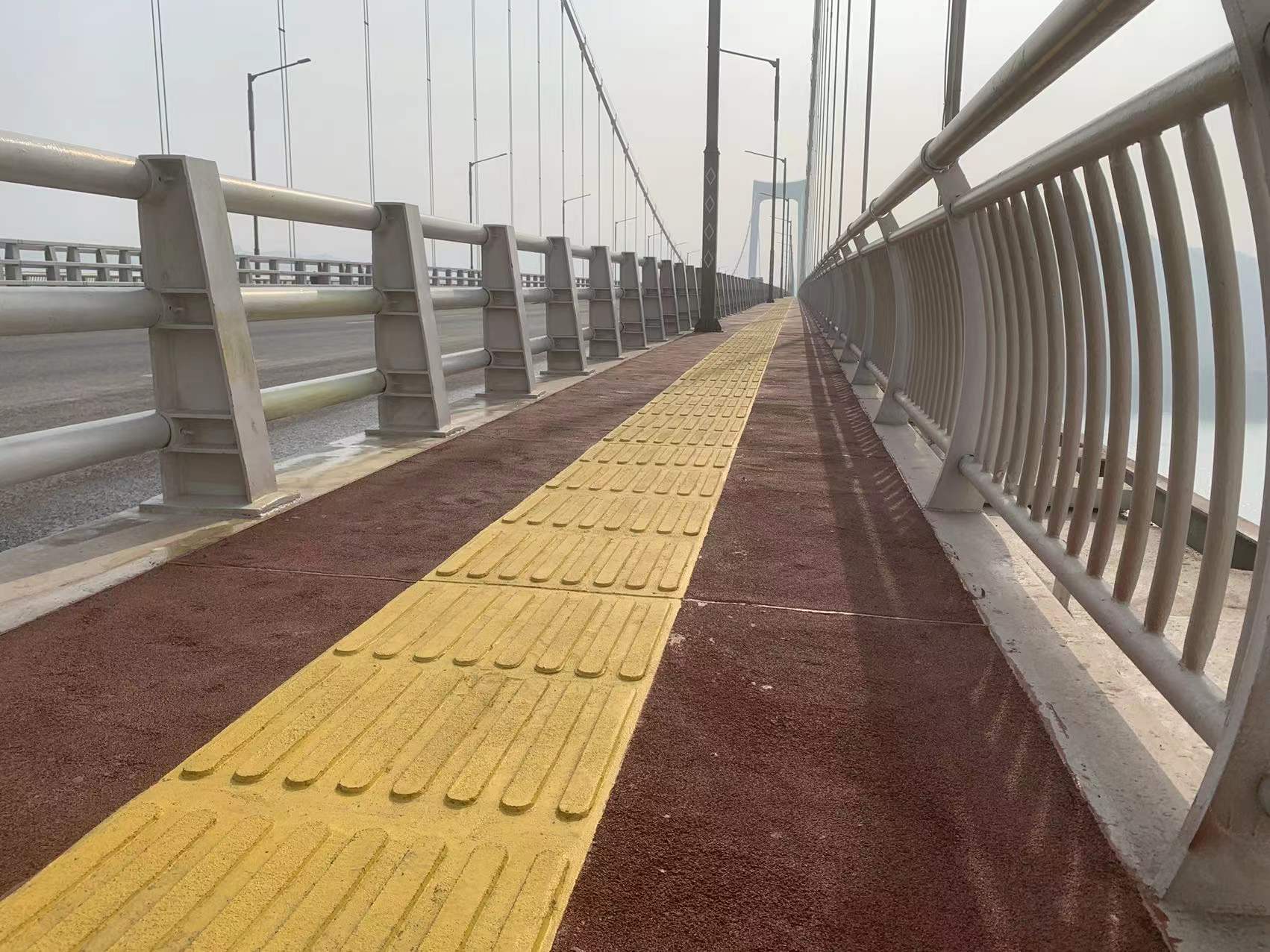
Cast-in-place diamond tactile paving is commonly used in:
Pedestrian crossings
Sidewalks and walkways
Bus and subway stations
Railway platforms
Ramps and stair approaches
Public squares and plazas
Hospitals and schools
Commercial complexes
These applications ensure safe and accessible navigation for all pedestrians.
Compared with traditional pre-formed tactile tiles, cast-in-place systems offer:
Better surface continuity
Stronger bonding with substrate
Reduced displacement risk
Lower long-term maintenance
Improved slip resistance
More flexible design options
These advantages make it a preferred solution for modern urban accessibility projects.
As cities continue to prioritize inclusive design and universal accessibility, cast-in-place tactile paving systems are evolving toward higher durability, improved environmental performance, and smarter material technologies.
Future developments will likely focus on longer service life, enhanced contrast visibility, and integration with smart urban navigation systems, making public spaces safer and more accessible for everyone.