Selecting the appropriate colored anti-skid pavement system is essential to ensure safety, durability, and visual effectiveness for your project. With a wide variety of materials, colors, and installation methods available, it is important to consider several key factors before making a decision.
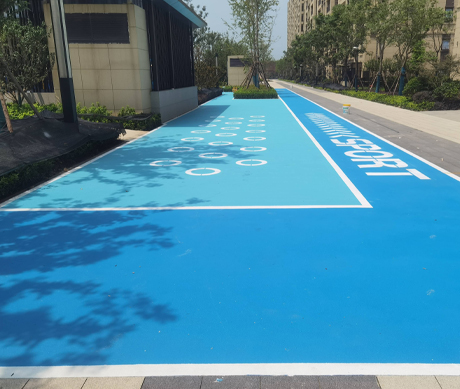
The type of traffic—pedestrian, bicycle, light vehicles, or heavy vehicles—will influence the required skid resistance, wear resistance, and surface strength. High-traffic areas demand more durable systems, such as MMA resin or ceramic aggregate coatings, while low-traffic pedestrian zones may allow for water-based or epoxy systems.
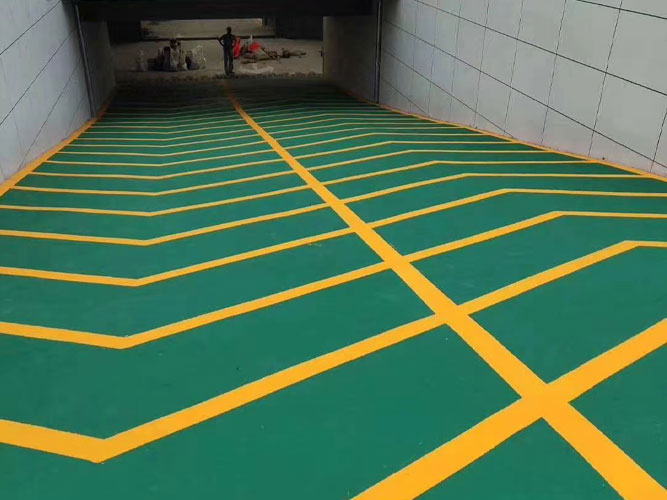
Skid resistance is the primary function of anti-skid pavements. Look for systems with proven high-friction surfaces, textured finishes, and aggregates that provide traction even under wet or icy conditions. Safety standards for public roads, sidewalks, and industrial areas should guide your selection.
Different pavement systems vary in longevity and resistance to abrasion, UV exposure, chemicals, and water. Choose a solution that minimizes maintenance costs and maintains color and performance over time, especially in high-use or harsh-weather areas.
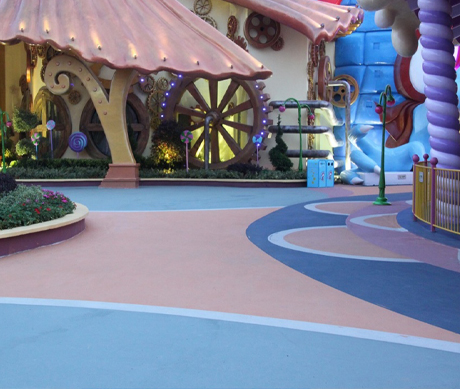
Common options include:
MMA resin systems: Fast-curing, high durability, suitable for high-traffic areas.
Epoxy or polyurethane coatings: Strong adhesion and abrasion resistance, ideal for industrial or commercial use.
Water-based emulsions (EAU or SP): Environmentally friendly, low VOC, and easy to apply for pedestrian and bicycle paths.
Ceramic aggregate pavements: High friction and long-term wear resistance for critical safety zones.
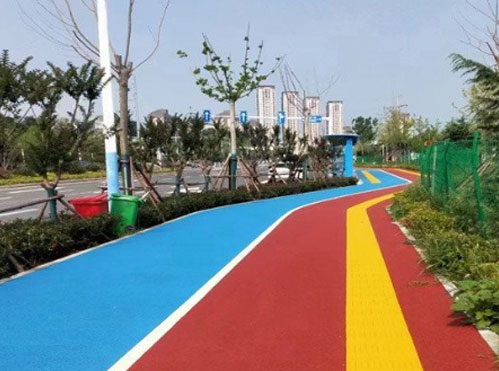
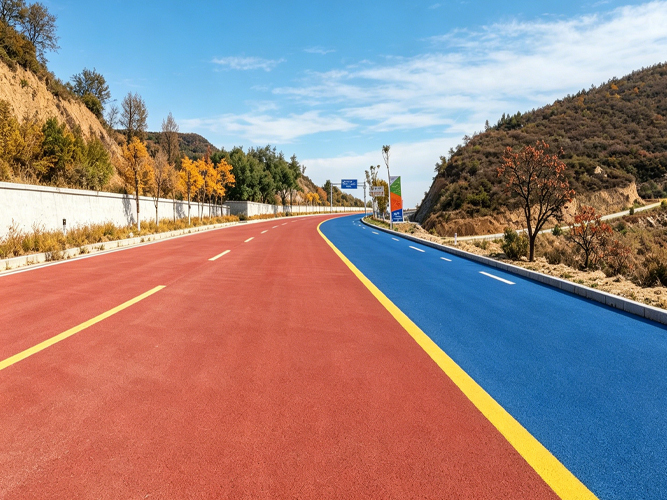
Colored pavements improve visibility, traffic guidance, and aesthetics. Bright, high-contrast colors help mark pedestrian crossings, bike lanes, bus stops, and hazard areas. Consider urban design, wayfinding, and safety requirements when selecting color schemes.
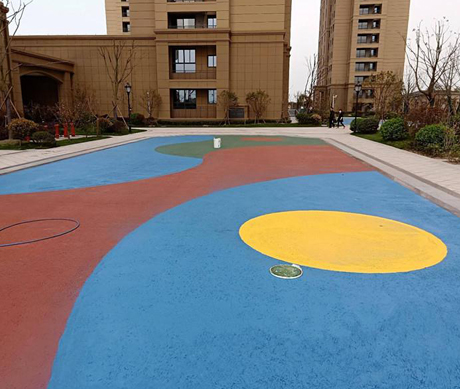
For sustainable projects, consider water-based, low-VOC, or recycled-material systems. Eco-friendly pavements reduce environmental impact without compromising performance.
By carefully evaluating traffic conditions, safety requirements, durability, materials, colors, and environmental factors, you can select the right colored anti-skid pavement system that ensures safety, functionality, and visual appeal for any project.