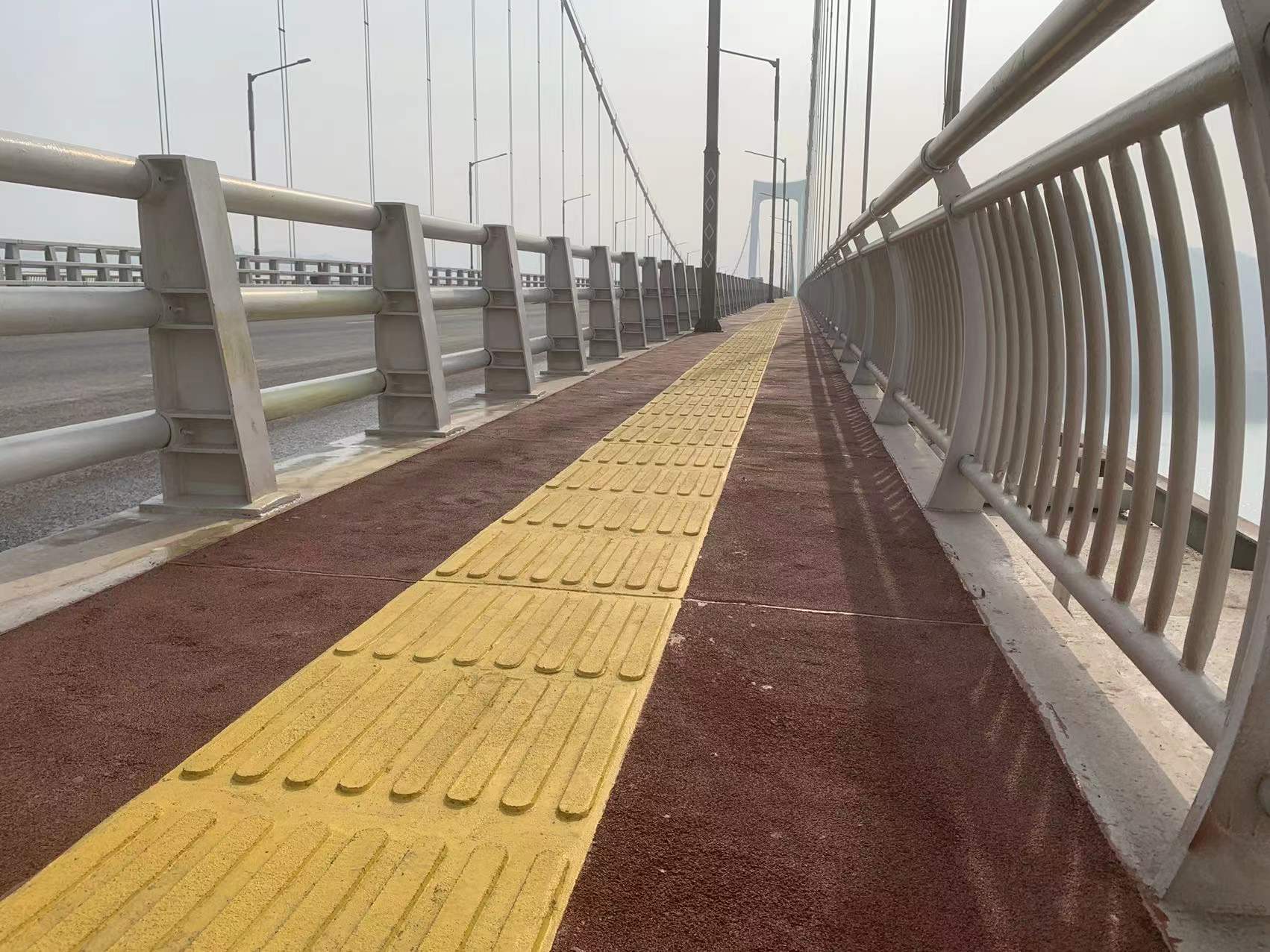
Cast-in-place tactile blind path systems are accessibility pavement solutions designed to guide visually impaired pedestrians safely through urban environments. Unlike prefabricated tiles, these systems are installed directly on-site using durable materials such as resin binders, concrete, or modified mortar, allowing seamless integration with existing pavement surfaces.
They are widely used in sidewalks, crosswalks, transit stations, public plazas, and barrier-free urban infrastructure projects.
A cast-in-place tactile paving system is a continuous guiding surface formed directly on the construction site. It typically includes:
Raised tactile patterns (strips, dots, or bars)
High-strength binding materials (epoxy, MMA, or cement-based systems)
Anti-slip aggregates for safety
Durable pigments for visibility contrast
The tactile surface is designed to be detected by foot or cane, helping visually impaired users navigate public spaces safely.
One of the main advantages is the ability to create continuous pathways without joints or gaps. This improves navigation safety and reduces trip hazards often found in modular tile systems.
Benefits include:
Smooth transitions between surfaces
No loose or displaced tiles
Better structural integrity over time
Cast-in-place systems are strongly bonded to the base surface, making them highly resistant to:
Heavy pedestrian traffic
Weather exposure (rain, UV, freeze-thaw cycles)
Mechanical wear from wheelchairs and carts
This makes them ideal for long-term public infrastructure use.
Many systems incorporate anti-skid aggregates that improve surface friction, especially in wet conditions. This reduces slipping risks for all pedestrians, including elderly users and people with mobility challenges.
Key safety advantages:
Better traction in rain
Reduced slip accidents
Improved stability on ramps and crossings
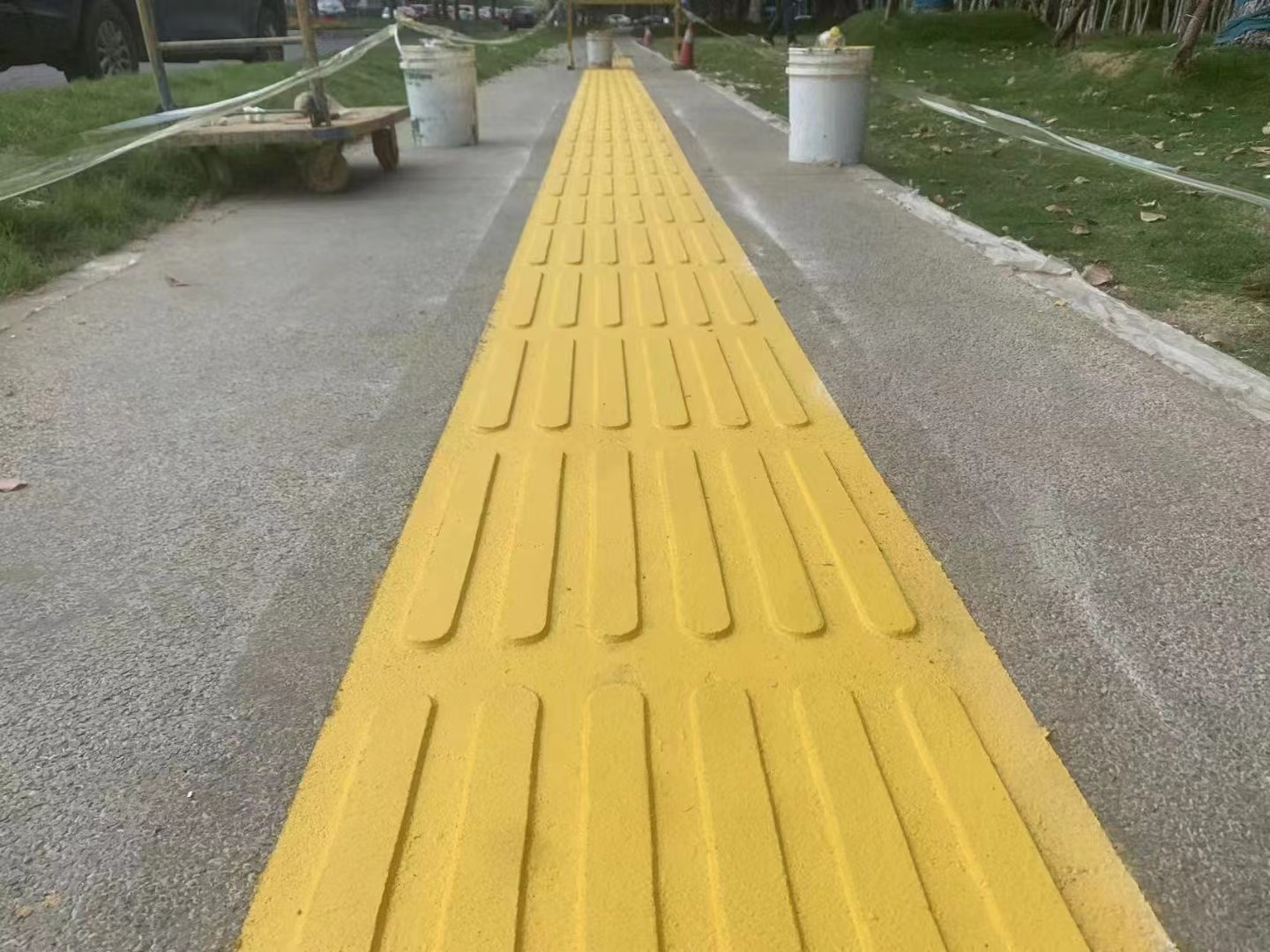
Tactile paving plays a critical role in inclusive urban design. Cast-in-place systems provide clear tactile cues that help users identify:
Directional guidance paths (linear patterns)
Warning zones (dot patterns)
Platform edges and crossing points
This enhances independent mobility and spatial awareness for visually impaired individuals.
Because the system is installed on-site, it allows flexible design options, including:
Custom colors for visual contrast
Integration with architectural layouts
Adaptation to curved or irregular pathways
Compatibility with different pavement materials
This makes it suitable for both modern city design and retrofit projects.
Compared to prefabricated tactile tiles, cast-in-place systems require less maintenance because they:
Do not loosen or shift over time
Resist edge cracking and detachment
Maintain surface integrity under continuous use
This reduces long-term maintenance costs for municipalities.
Cast-in-place tactile systems help cities meet accessibility standards and regulations, supporting inclusive infrastructure development.
They improve safety for:
Visually impaired pedestrians
Elderly individuals
Temporary mobility-impaired users
High-traffic pedestrian zones
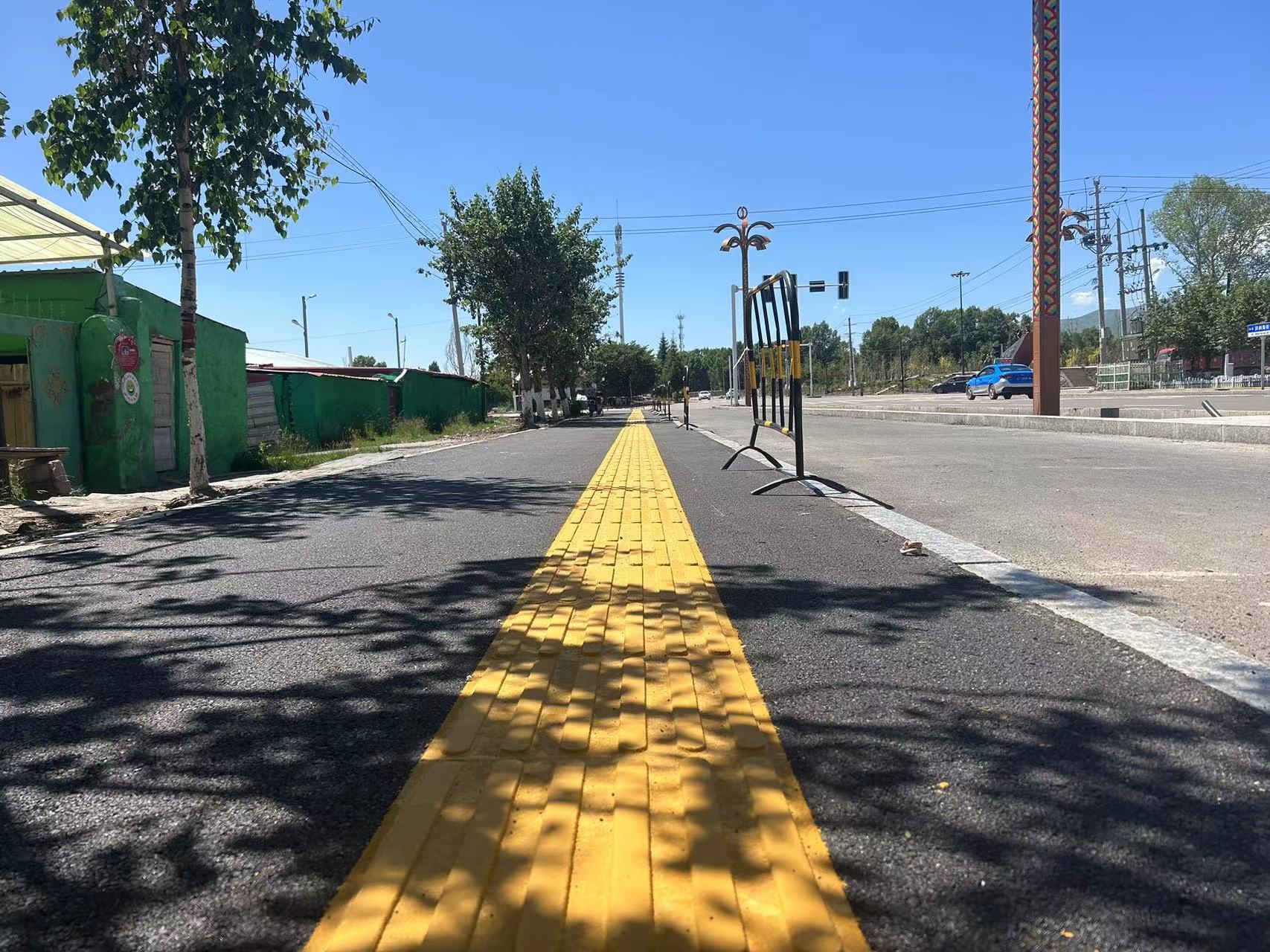
These systems are widely used in:
City sidewalks
Bus and metro stations
Railway platforms
Crosswalk approaches
Public squares
Government and commercial buildings
Hospital and school entrances
They are essential components of barrier-free urban planning.
Cast-in-place tactile blind path systems provide a durable, safe, and highly adaptable solution for improving urban accessibility. Their seamless construction, strong durability, and reliable tactile feedback make them a key element in modern inclusive infrastructure design.
As cities continue to prioritize accessibility and universal design, cast-in-place tactile paving will remain an essential technology for building safer and more inclusive public spaces.