Road safety is a critical concern for modern transportation systems. With increasing traffic volumes and challenging weather conditions, traditional road surfaces may not always provide enough grip for vehicles.
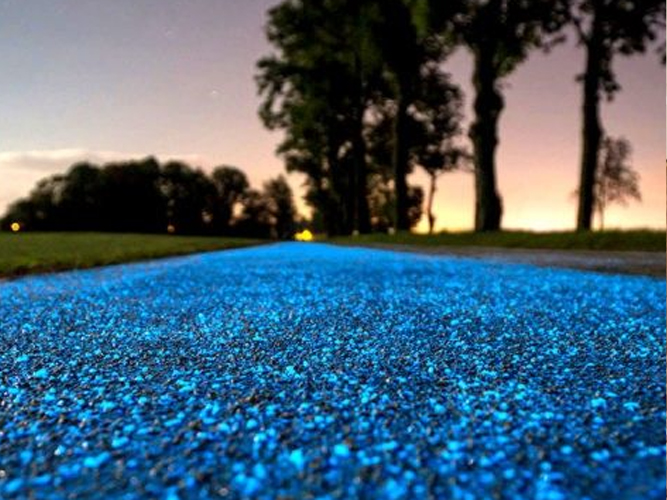
High Friction Surfacing (HFS) is an advanced pavement solution designed to improve surface friction, enhance vehicle control, and reduce the risk of accidents. It is widely used in highways, urban roads, bicycle lanes, bridges, and other high-risk areas where safety performance is essential.
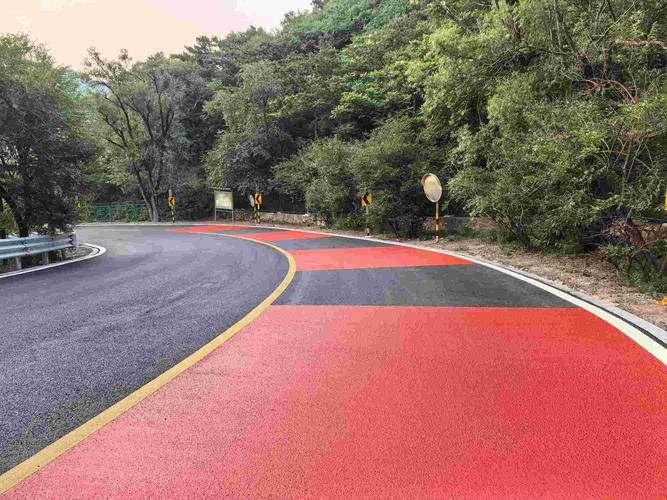
High Friction Surfacing is a specialized road treatment system that creates a highly durable and skid-resistant surface layer.
The system typically combines a strong binder with high-quality aggregates to provide excellent grip and long-term performance.
Key features include:
• High skid resistance
• Improved surface friction
• Strong adhesion to pavement
• Weather resistance
• Long service life
High Friction Surfacing can be applied to asphalt, concrete, bridge decks, ramps, and other transportation surfaces.
The main purpose of High Friction Surfacing is to increase road grip. A high-friction surface helps vehicles maintain better control during:
• Emergency braking
• Rainy conditions
• Sharp turns
• Steep slopes
• High-speed driving
Improved friction reduces the possibility of skidding and helps create safer road environments.
Many traffic accidents happen because vehicles lose traction, especially on wet roads or high-risk locations.
High Friction Surfacing helps improve safety in areas such as:
• Highway curves
• Intersections
• Roundabouts
• Bridge approaches
• Accident-prone zones
By increasing surface grip, it provides additional safety protection for drivers and road users.
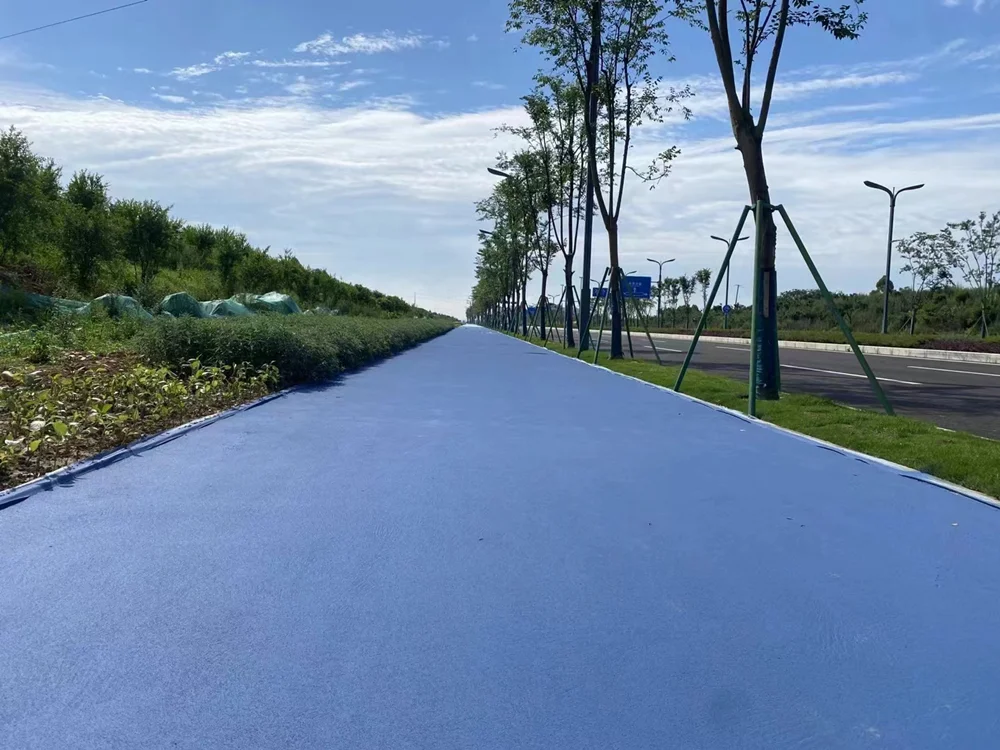
Road surfaces in Southeast Asia face challenges including heavy rainfall, high temperatures, and strong sunlight.
High Friction Surfacing materials are designed to maintain performance under harsh outdoor conditions with advantages such as:
• UV resistance
• Water resistance
• Wear resistance
• Long-term durability
This makes them suitable for tropical climates and heavy traffic environments.
High Friction Surfacing is commonly used in high-speed road sections where improved traction is required.
Applications include:
• Curves
• Ramps
• Braking zones
• Traffic conflict areas
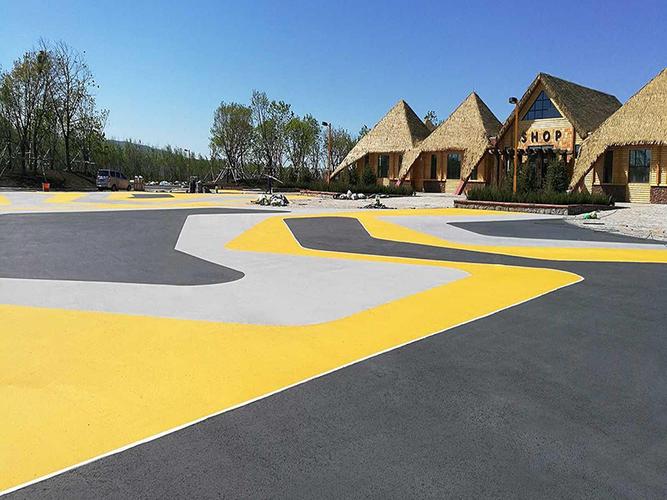
Modern cities use high friction pavement solutions to improve safety and traffic organization.
Common applications include:
• Bicycle lanes
• Bus lanes
• Pedestrian crossings
• Public road upgrades
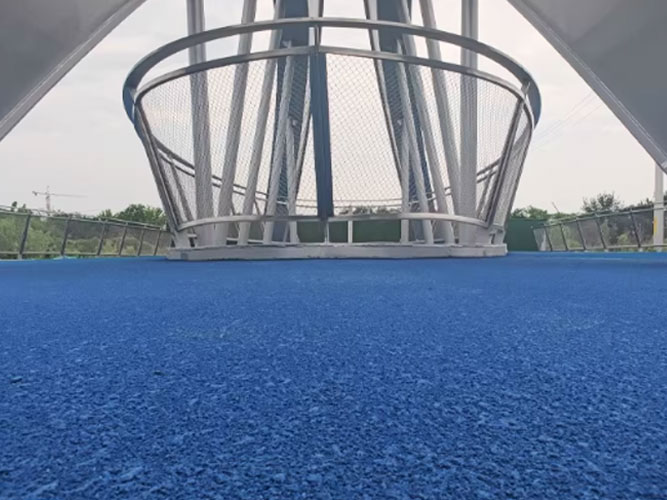
Bridge decks and transportation facilities require reliable surface performance.
High Friction Surfacing helps provide:
• Better vehicle grip
• Improved safety
• Longer pavement durability
For contractors and infrastructure developers, High Friction Surfacing offers several advantages:
• Improves road safety performance
• Extends pavement service life
• Reduces maintenance requirements
• Enhances road appearance
• Suitable for various applications
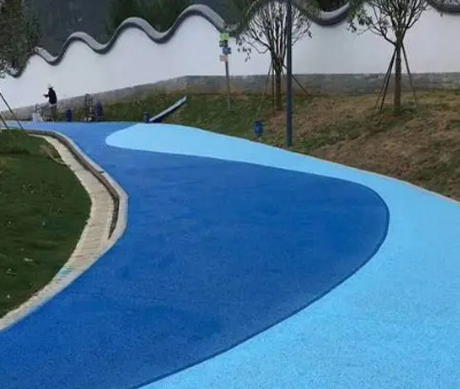
With rapid urbanization and infrastructure development, Southeast Asian countries are investing in safer transportation systems.
Thailand, Malaysia, Indonesia, the Philippines, and Vietnam are increasing demand for advanced road safety materials that can withstand tropical climates and heavy traffic conditions.
High Friction Surfacing provides an effective solution for creating safer and more durable roads.
High Friction Surfacing is an advanced road safety technology that improves surface friction, enhances vehicle control, and reduces skid-related risks.
From highways and bridges to bicycle lanes and urban roads, this solution helps create safer transportation environments.
As road safety requirements continue to grow worldwide, High Friction Surfacing will remain an important material for modern infrastructure development.