Road Anti-Skid Materials for Bicycle Lanes and Pedestrian Safety
As cities move toward greener and more people-friendly transportation systems, bicycle lanes and pedestrian areas have become essential parts of urban infrastructure. In these spaces, Road anti-skid materials play a critical role in ensuring safety, comfort, and reliable surface performance for non-motorized users.
Why Anti-Skid Materials Are Important for Bicycle and Pedestrian Areas
Unlike highways, bicycle lanes and pedestrian walkways involve vulnerable road users who are more exposed to slipping risks. Wet weather, surface wear, and smooth asphalt can easily cause accidents such as falls, skidding, or loss of control for cyclists.
Pedestrians also face hazards in crossings, ramps, and shared zones where surface friction is not sufficient. Anti-skid materials help create a stable walking and riding environment by increasing surface grip and visibility.
How Road Anti-Skid Materials Improve Safety
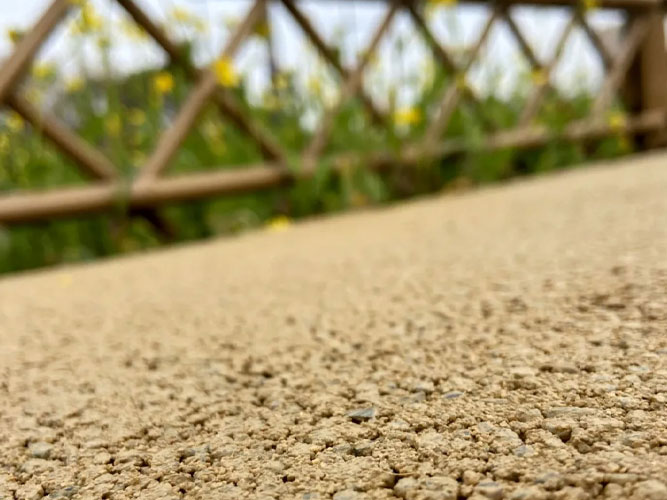
Road anti-skid materials improve safety through enhanced surface texture and friction performance. They use hard aggregates and durable binding systems to create a rough, stable surface layer.
First, increased surface friction. Materials such as ceramic particles, quartz sand, or basalt aggregates provide strong grip between shoes or bicycle tires and the pavement.

Second, wet-weather performance. Anti-skid surfaces maintain traction even in rainy conditions, reducing the risk of slipping and hydroplaning for bicycles.
Third, surface texture stability. Resin or polymer binders lock the aggregates in place, ensuring long-term performance even under continuous foot traffic and bicycle movement.
Applications in Bicycle Lanes
In bicycle infrastructure, road anti-skid materials are widely used in:
Urban cycling lanes
Bike crossings at intersections
Downhill or high-speed cycling routes
Shared lanes with vehicles
Bridge and tunnel bicycle paths
These applications help cyclists maintain balance, improve braking control, and navigate safely through traffic-heavy areas.
Applications in Pedestrian Areas
For pedestrian safety, anti-skid materials are commonly applied in:
Crosswalks and road crossings
Sidewalks in rainy or high-traffic zones
Ramps and accessibility pathways
School zones and public plazas
Transit stations and bus stops
These surfaces reduce slip hazards, especially for elderly people, children, and individuals with mobility challenges.
Additional Benefits of Colored Anti-Skid Systems
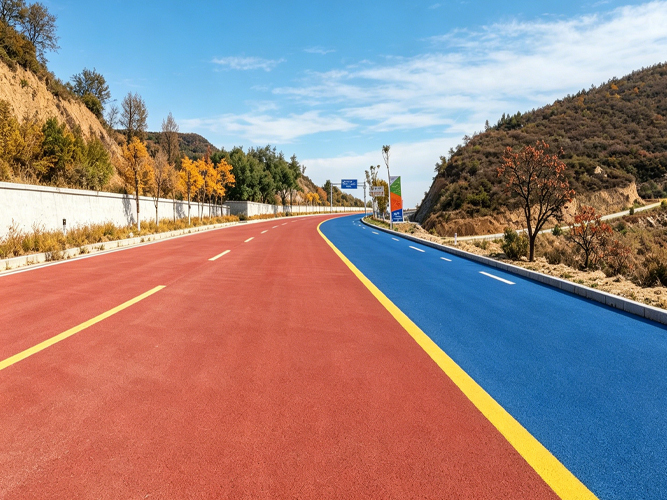
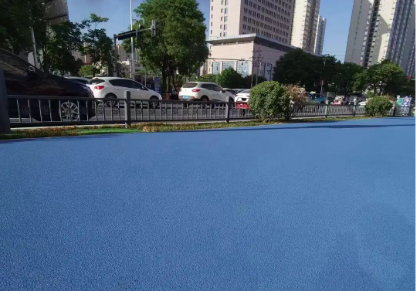
Many modern road anti-skid materials are combined with colored surface systems. This improves visual separation between different traffic zones, such as:
Bicycle lanes vs. vehicle lanes
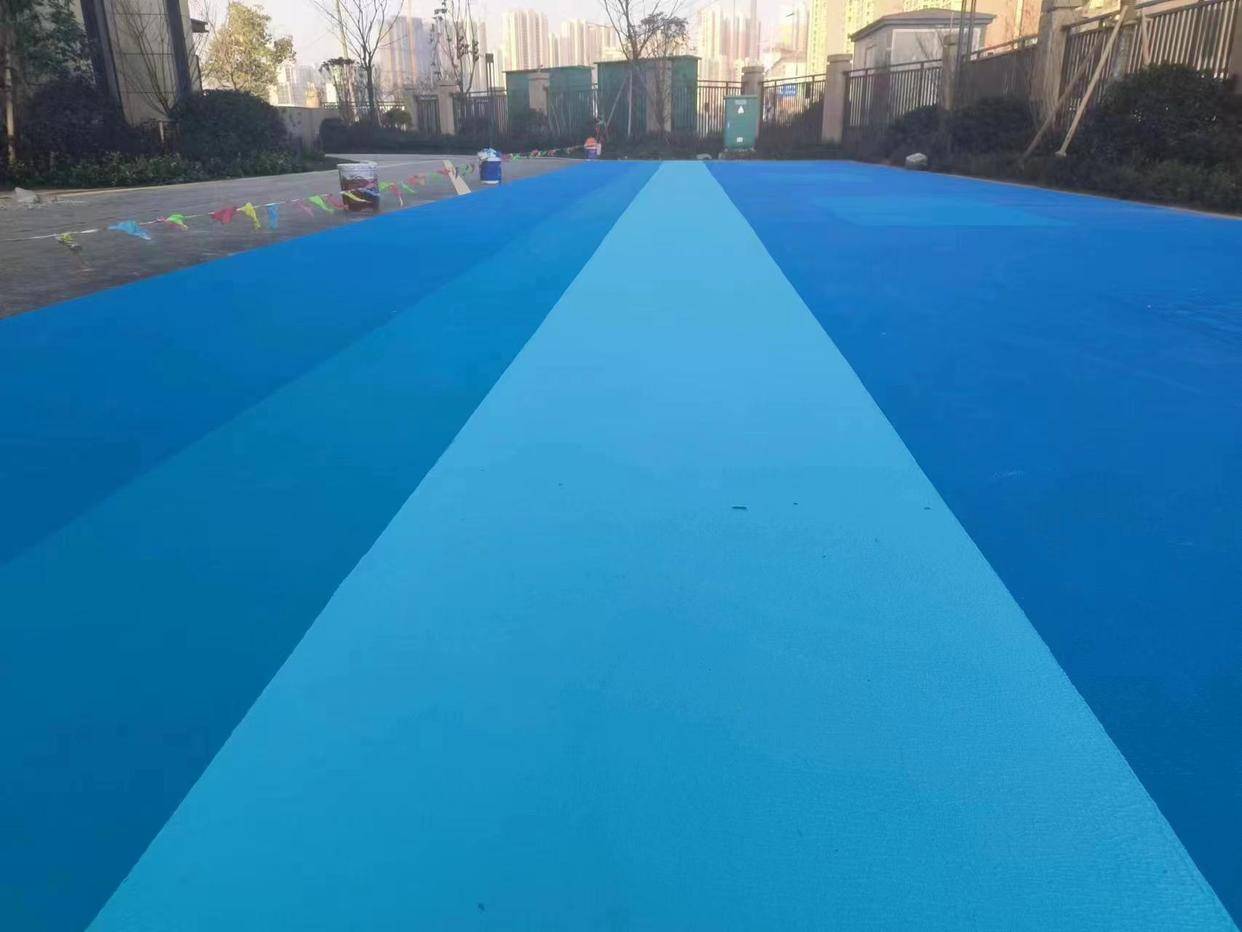
Pedestrian walkways vs. roadways
Warning zones near intersections
The combination of color and texture improves both visibility and safety awareness.
Long-Term Performance Advantages
High-quality road anti-skid materials offer strong durability, resisting wear from weather, UV exposure, and daily traffic. This reduces maintenance needs and ensures long-term safety performance in urban environments.
Conclusion
Road anti-skid materials are essential for protecting cyclists and pedestrians in modern cities. By improving surface friction, enhancing wet-weather safety, and increasing visibility, they create safer and more reliable shared mobility environments. As urban transportation continues to grow, these materials will play an increasingly important role in building safer bicycle and pedestrian networks.