The Importance of Road Anti-Skid Materials in Modern Infrastructure
Modern infrastructure is built around one core principle: safety under all conditions. As traffic volume increases and road networks become more complex, the role of Road anti-skid materials has become essential in ensuring stable, reliable, and accident-resistant transportation systems.
Today’s roads are no longer just simple asphalt surfaces. They are multi-functional systems that support high-speed vehicles, dense urban traffic, cyclists, pedestrians, and heavy freight movement. In this environment, surface friction is one of the most critical performance factors.

Why Road Anti-Skid Materials Matter
The primary importance of road anti-skid materials lies in accident prevention. A significant percentage of road accidents are caused by skidding, especially during wet weather, sharp turns, and sudden braking situations. By increasing surface friction, anti-skid materials reduce the likelihood of vehicles losing control.
They also improve braking efficiency, allowing vehicles to stop in shorter distances. This is especially important in intersections, pedestrian crossings, and highway exits where reaction time is limited.
Role in Modern Infrastructure Systems

In modern infrastructure design, road anti-skid materials are not optional—they are a core engineering component. They are widely integrated into:
Urban road networks
Highways and expressways
Bridge decks and elevated roads
Tunnel entrances and exits
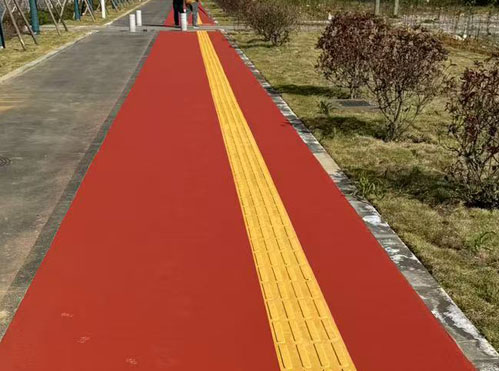
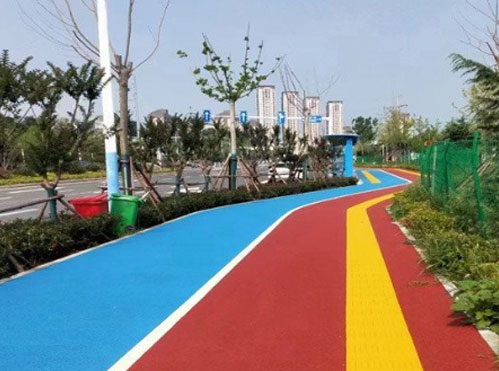
Bicycle lanes and pedestrian zones
These materials help create a consistent safety standard across different types of transportation environments.
How They Improve Road Performance
Road anti-skid materials work by enhancing the micro-texture of road surfaces. High-friction aggregates such as ceramic particles or basalt are bonded to the surface using durable resin or polymer systems. This creates a rough, stable texture that maintains grip even under heavy traffic wear.
Unlike traditional road paint or basic asphalt, modern anti-skid systems maintain long-term performance, resisting polishing, weather damage, and mechanical stress.
Contribution to Smart and Sustainable Cities
In smart city planning, road anti-skid materials contribute to both safety and sustainability. Many systems use eco-friendly, low-VOC materials that reduce environmental impact. At the same time, their long service life reduces maintenance frequency, saving resources and lowering long-term infrastructure costs.
They also support multi-modal transport systems by improving safety for cyclists and pedestrians, encouraging greener mobility options.
Strategic Importance for Governments and Engineers

For transportation authorities and civil engineers, road anti-skid materials are a strategic investment. They help reduce accident-related costs, improve traffic efficiency, and extend road lifespan. In high-risk zones such as sharp curves, wet regions, and congested urban intersections, their application is especially critical.
Conclusion
Road anti-skid materials are a foundational element of modern infrastructure. Their ability to improve friction, enhance safety, and extend road durability makes them indispensable in today’s transportation systems. As cities continue to expand and traffic demands increase, these materials will remain a key technology in building safer, smarter, and more resilient road networks worldwide.