Colored polymer slurry mixtures are widely used in modern road engineering as a cost-effective, durable, and visually functional pavement solution. They combine modified polymer binders with fine aggregates and pigments to create a thin surfacing layer that improves road performance while adding color-based traffic guidance.
These systems are especially popular for urban maintenance projects, bicycle lanes, pedestrian areas, parking zones, and light-traffic road surfaces where both appearance and functionality are important.
A colored polymer slurry mixture is a cold-applied pavement treatment composed of:
Polymer-modified emulsions or resins
Fine mineral aggregates (such as quartz sand)
Color pigments for visual differentiation
Additives for stability and curing performance
The mixture is spread as a thin layer over existing asphalt or concrete surfaces, forming a uniform, textured coating after curing.
One of the main advantages is its low cost compared to full pavement reconstruction. Instead of removing and rebuilding road layers, slurry mixtures can restore worn surfaces efficiently.
Benefits include:
Reduced material and labor costs
Minimal construction equipment requirements
Faster project completion
Extended pavement service life
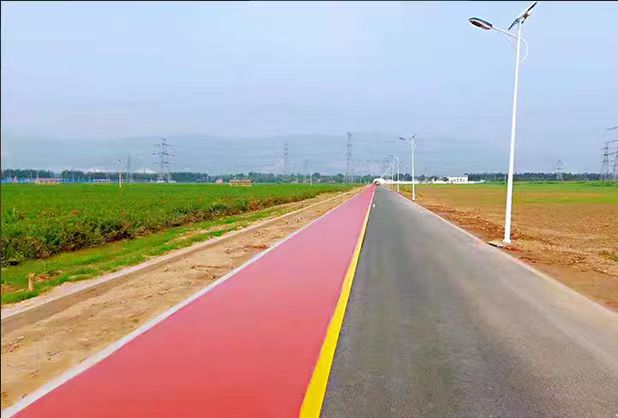
The fine aggregate structure creates a slightly rough surface that enhances skid resistance. This improves safety for both vehicles and pedestrians, especially in wet conditions.
Typical safety improvements:
Better tire grip
Reduced slip risk for pedestrians
Improved braking performance
Safer bicycle and scooter movement
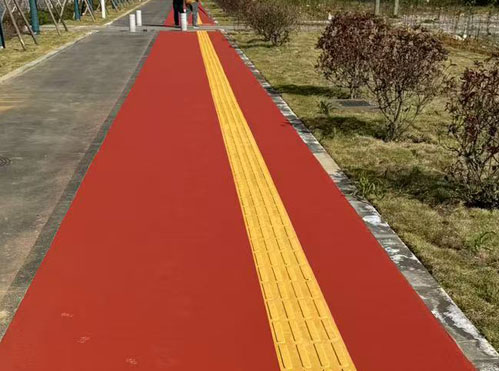
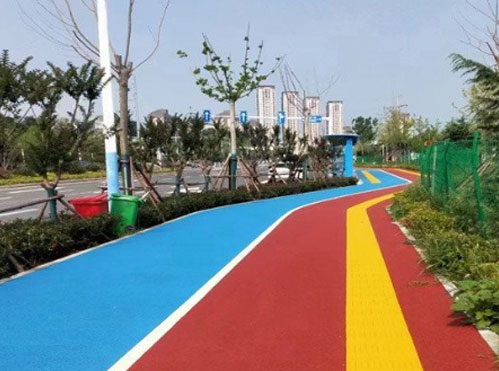
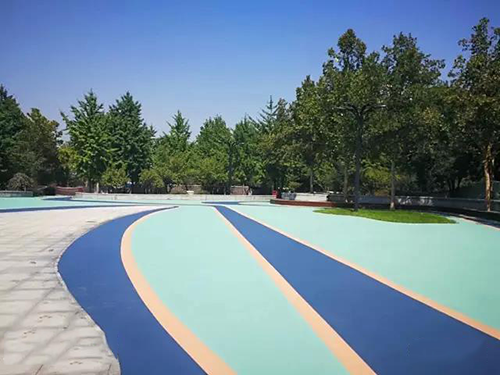
Colored polymer slurry systems allow roads and public spaces to be visually organized. Different colors can define traffic functions clearly and intuitively.
Common color applications include:
Red: bus lanes or priority corridors
Green: bicycle paths
Blue: pedestrian zones
Yellow: warning or conflict areas
This visual structure improves navigation and reduces traffic confusion.
Slurry mixtures are cold-applied and relatively quick to install. They require less downtime compared to traditional resurfacing methods.
Advantages:
No high-temperature mixing required
Quick curing under normal conditions
Reduced road closure time
Suitable for nighttime maintenance work
The polymer binder forms a strong bond with existing asphalt or concrete, creating a protective layer that helps prevent further surface deterioration.
It helps resist:
Surface cracking
Water penetration
UV damage
Light to moderate traffic wear
Beyond functional performance, colored slurry systems enhance the visual appearance of urban environments. They are widely used in:
City streets and sidewalks
Commercial districts
Parks and recreational areas
Campus and residential roads
The result is a cleaner, more organized, and visually appealing streetscape.
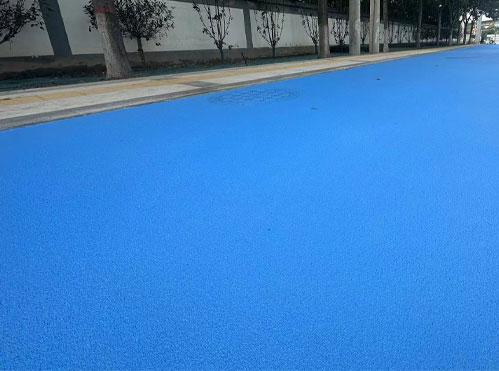
Colored polymer slurry mixtures are suitable for:
Urban maintenance resurfacing
Bicycle and pedestrian infrastructure
Parking lots and loading areas
Bus stops and transit corridors
Light traffic municipal roads
They are particularly effective in projects where full reconstruction is not necessary but surface improvement is required.
Colored polymer slurry mixtures provide a practical balance between performance, cost efficiency, and visual enhancement. They improve surface safety, extend pavement life, and support modern urban design through color-coded traffic organization.
As cities focus more on sustainable maintenance and efficient infrastructure upgrades, polymer slurry systems continue to be a valuable solution for modern road engineering projects.