This High-Friction Colored Surface Is Saving Lives on the Road
Across modern cities and highways, a quiet revolution is happening on the road surface itself. While most drivers barely notice it, high-friction colored surfacing is becoming one of the most effective safety upgrades in modern road engineering—especially in reducing serious and fatal accidents in high-risk traffic zones.
At the center of this technology is the principle of maximizing tire grip while improving visual awareness. Traditional asphalt provides limited friction consistency, especially in wet or high-stress conditions such as sudden braking, sharp curves, or intersections. As surfaces wear down, they become smoother, increasing stopping distances and reducing control. High-friction colored systems solve this problem by adding a permanent, engineered grip layer directly at the road surface.
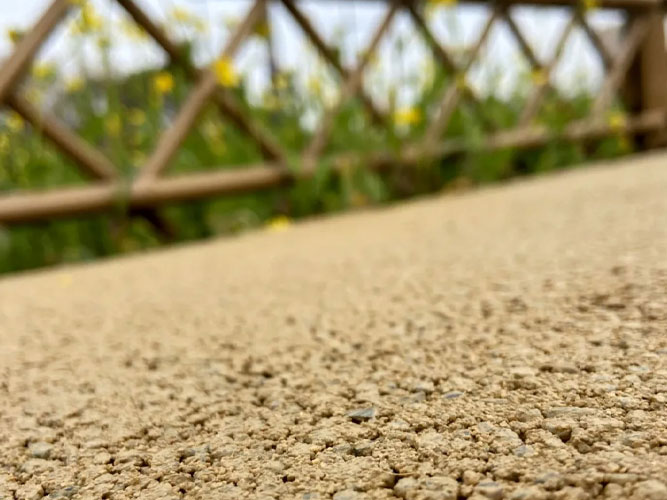
This is where High Friction Surfacing plays a critical role. By embedding extremely durable aggregates—often ceramic or high-strength mineral particles—into a specialized binder, the surface creates continuous micro-level roughness. This rough texture increases the contact grip between tires and road, dramatically improving braking performance and vehicle stability, especially in rain or low-visibility conditions.
The life-saving effect becomes most obvious in real-world scenarios. At intersections, where vehicles frequently brake and turn simultaneously, the risk of skidding is significantly higher. High-friction colored zones reduce this risk by increasing surface resistance exactly where it is needed most. On highway ramps and curves, where lateral forces push vehicles outward, the enhanced grip helps maintain control and reduces lane departure accidents.
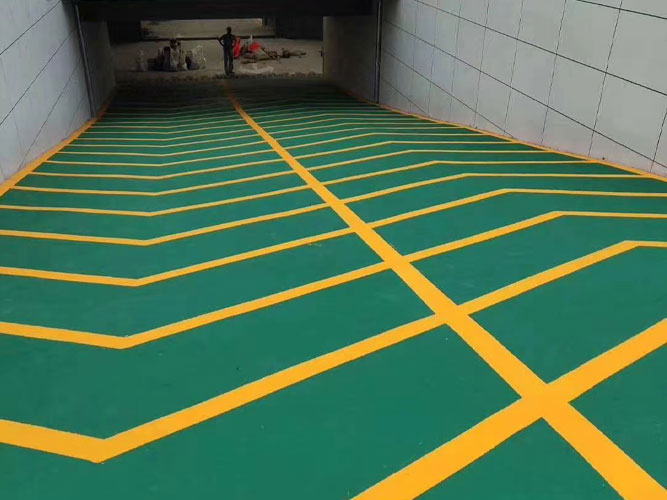
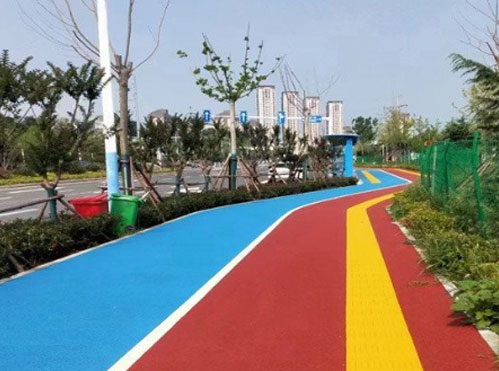
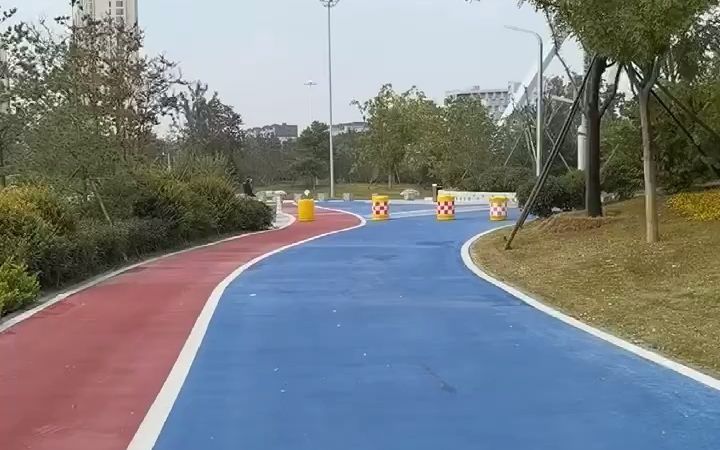
But friction is only half the story. The “colored” part of the system adds another layer of protection: visual communication. Roads are not just physical infrastructure—they are decision-making environments. Drivers rely on visual cues to anticipate hazards. Colored surfacing turns entire road sections into clear, intuitive signals. For example, red or high-contrast zones often indicate danger or speed reduction areas, while differently colored lanes define bus corridors or bicycle paths.
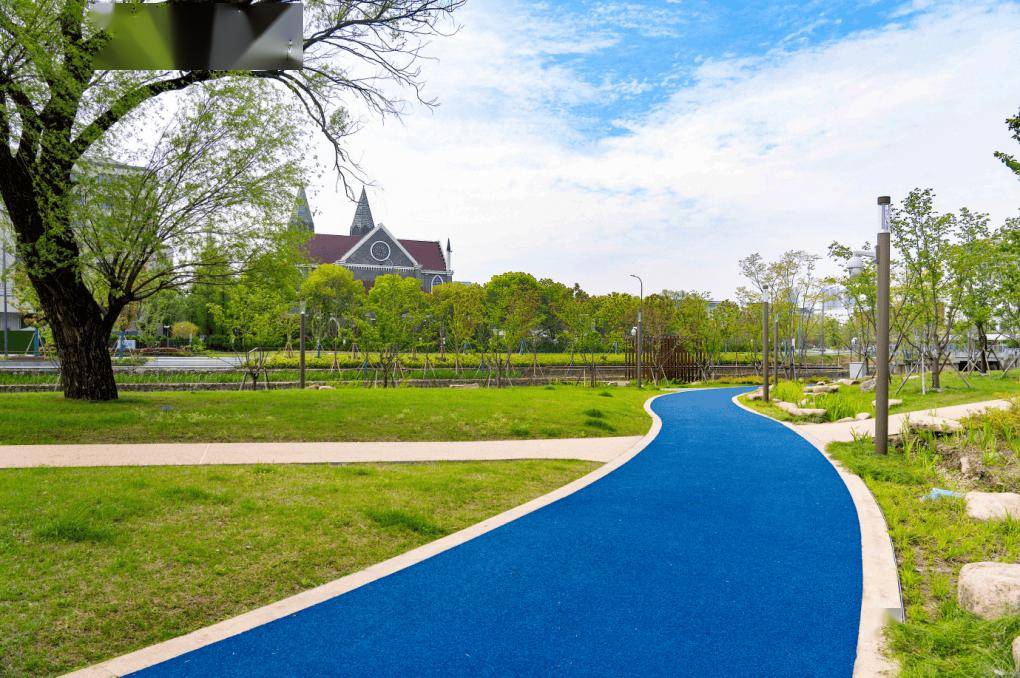
This visual clarity reduces reaction time. Instead of interpreting multiple signs or small painted lines, drivers immediately recognize functional zones at a glance. In complex urban environments where decisions must be made in seconds, this reduction in cognitive load directly contributes to fewer accidents.
Another important advantage is performance in adverse weather. Rain is one of the leading contributors to road accidents due to hydroplaning and reduced visibility. High-friction colored surfaces maintain better grip when wet and often improve water dispersion across the surface. At the same time, the color contrast remains more visible than standard asphalt markings, helping drivers maintain lane awareness even in poor conditions.
Modern construction systems, including resin-based coatings and maintenance technologies such as Color Emulsified Micro-Surfacing, make it possible to apply these safety improvements quickly and efficiently. This allows cities to upgrade dangerous road sections—such as school zones, pedestrian crossings, and busy intersections—without long-term road closures or major reconstruction.
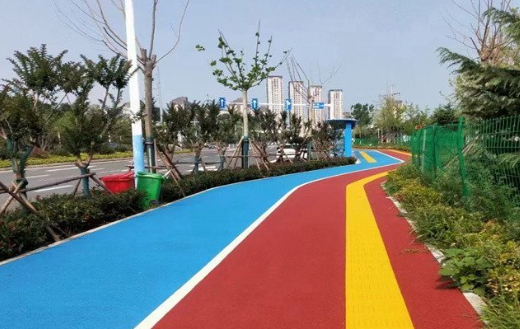
Beyond physical performance, there is also a behavioral safety effect. Colored high-friction zones subtly influence driver behavior. When drivers see a clearly defined textured and colored section of road, they instinctively adjust speed and attention. This subconscious response helps reduce risky behavior even before critical situations occur.
In essence, the real power of high-friction colored surfacing is not just in preventing skids, but in preventing the conditions that lead to skids in the first place. It combines physics-based grip improvement with human-centered visual design, creating a dual-layer safety system that actively reduces accident risk.
In conclusion, this technology is saving lives because it addresses two of the biggest causes of road accidents—loss of traction and delayed driver reaction—at the same time. As cities continue to evolve and traffic becomes more complex, high-friction colored surfacing is no longer just an upgrade. It is becoming a fundamental safety standard for modern road networks.