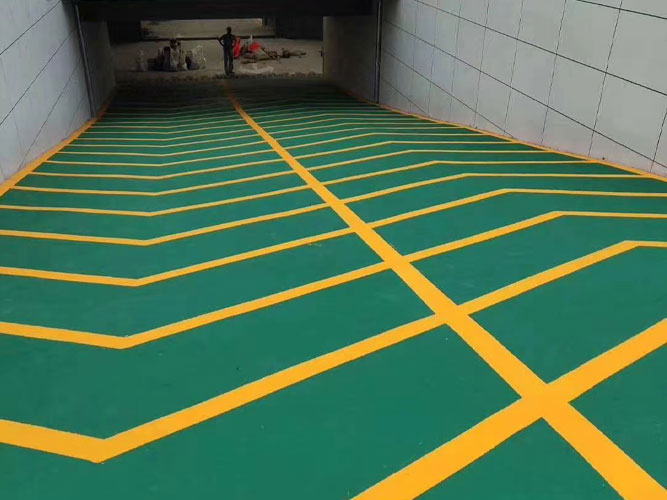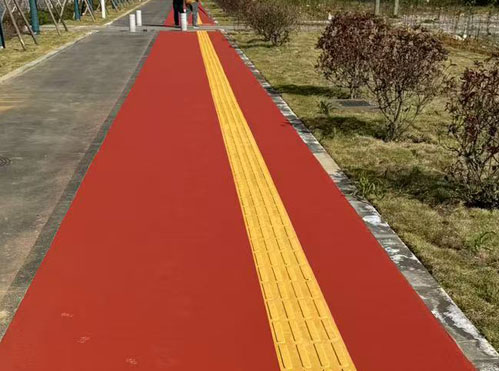
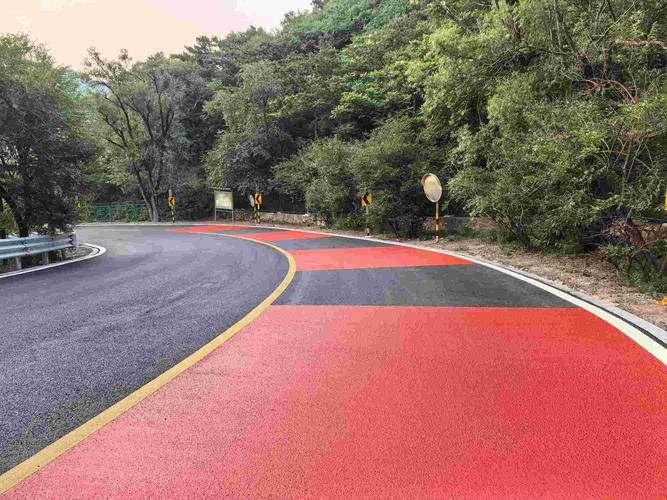
Colored pavement for safer driving is a road surface technology that combines high-friction materials with color-based visual guidance to improve driver awareness, reduce accidents, and enhance overall traffic safety. It is commonly used on urban roads, intersections, ramps, curves, tunnels, and high-risk traffic zones.
One of the key safety functions is increasing surface friction.
Enhances tire grip on wet, oily, or sloped roads
Reduces skidding during braking or turning
Improves vehicle stability in emergency situations
This is especially important in intersections, ramps, and sharp curves.
Color acts as an immediate communication tool for drivers.
Highlights special zones such as bus lanes, crossings, or hazard areas
Improves lane recognition in complex road environments
Helps drivers make faster and more accurate decisions
Unlike signs, color can be understood instantly without distraction.
Colored pavement is often used where traffic accidents are more likely.
Intersections and roundabouts
School zones and pedestrian crossings
Highway exits and merging areas
By combining visibility and friction, it significantly lowers collision risk.
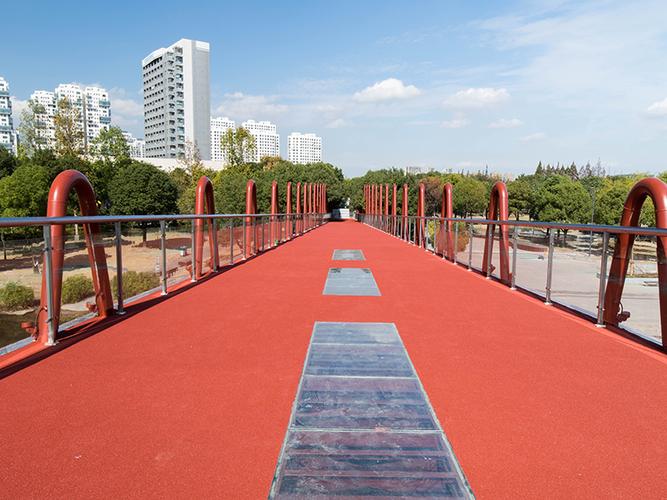
Clear color differentiation helps drivers respond faster.
Earlier recognition of danger zones
Better anticipation of road changes
Reduced sudden braking or lane changes
This improves overall traffic flow and safety.
Colored pavement provides stronger contrast than standard asphalt.
Easier to see under headlights at night
Better visibility during rain or fog
Maintains guidance even in low-light conditions
Some systems also include reflective aggregates for extra visibility.
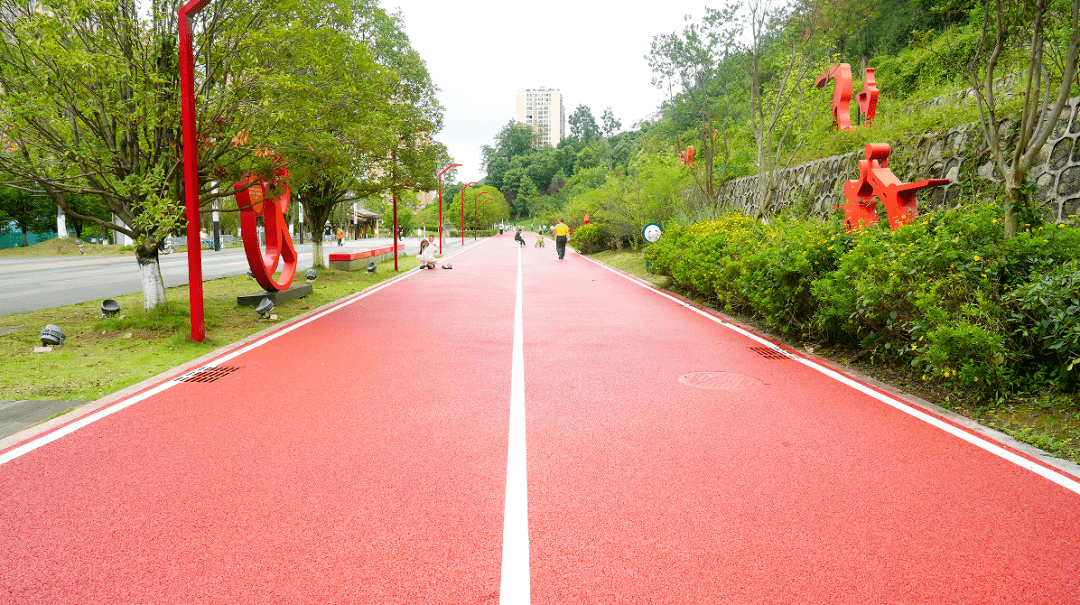
It helps cities design clearer and safer road systems.
Separates vehicles, bicycles, and pedestrian zones
Guides traffic in complex urban layouts
Supports smart city traffic management strategies
Modern systems use resin-based or modified asphalt materials.
Resistant to UV fading and wear
Maintains skid resistance over time
Suitable for heavy traffic environments
Colored pavement improves driving safety by combining high-friction performance, clear visual communication, and durable surface technology. It helps drivers react faster, stay more aware, and maintain better control, making roads safer and more efficient for everyone.