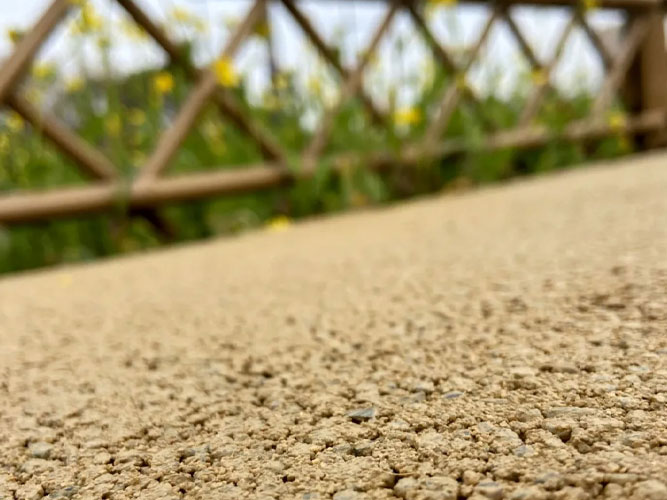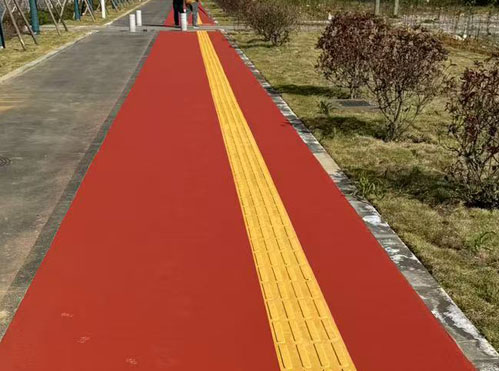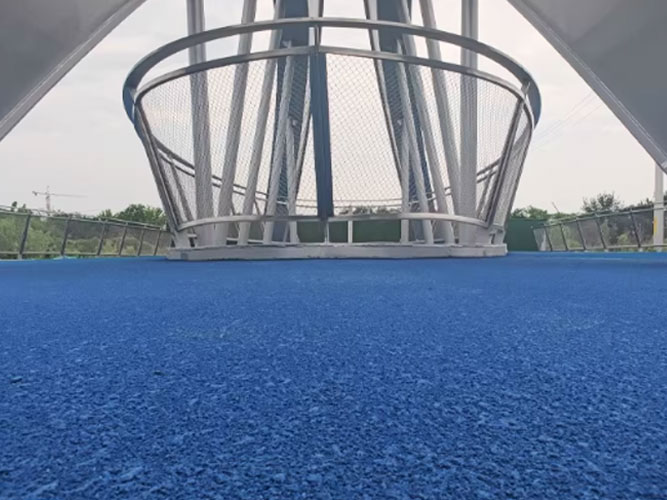
Anti-slip vibration-free ramps are advanced surface systems designed to provide safe, smooth, and stable access for vehicles and pedestrians in both indoor and outdoor environments. They are commonly used in parking garages, commercial entrances, loading docks, hospitals, warehouses, shopping centers, and residential driveways where noise reduction, safety, and comfort are important.
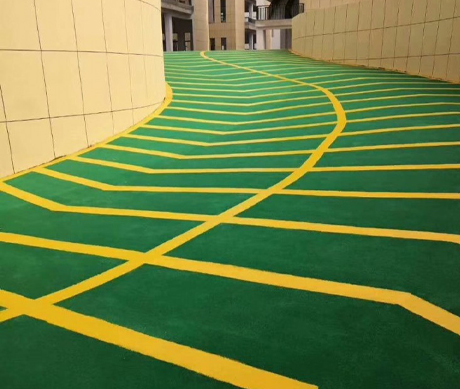
The main feature of this ramp system is its high anti-slip performance. The surface is constructed using durable resin materials such as MMA, epoxy, or polyurethane combined with fine aggregates like quartz sand or ceramic particles. This creates a textured finish that significantly increases friction, helping to prevent slipping or skidding in wet, oily, or dusty conditions. It ensures safe movement for both vehicles and pedestrians.
Another key advantage is its vibration-free and noise-reducing performance. Traditional ramps often generate loud noise and vibration when vehicles pass over them, especially heavy trucks or forklifts. Anti-slip vibration-free ramps are designed with a flexible and energy-absorbing structure that minimizes impact, reduces noise, and provides a smoother driving experience. This makes them ideal for residential areas, hospitals, and indoor parking facilities.
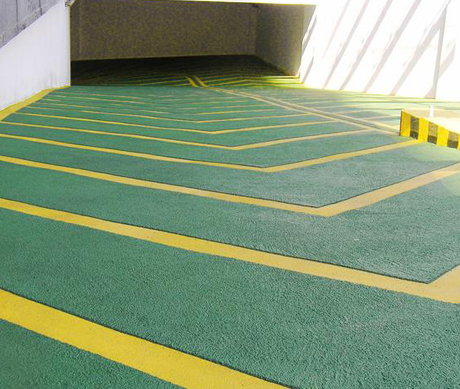
These ramps also offer excellent durability and weather resistance. They can withstand heavy traffic loads, temperature changes, UV exposure, and chemical corrosion. The strong bonding system ensures long-term performance with minimal maintenance requirements, even under continuous use in demanding environments.
In addition, many ramp systems can be customized with colored surfaces to improve visibility and safety. Bright colors such as yellow, red, or green help define access zones, guide traffic flow, and enhance awareness in low-light conditions or busy areas.
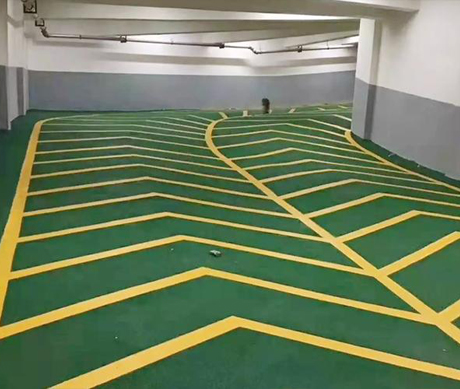
Overall, anti-slip vibration-free ramps provide a reliable solution that combines safety, comfort, durability, and noise reduction. They are an essential choice for modern infrastructure projects that require smooth and safe transitions between different elevation levels in both indoor and outdoor spaces.