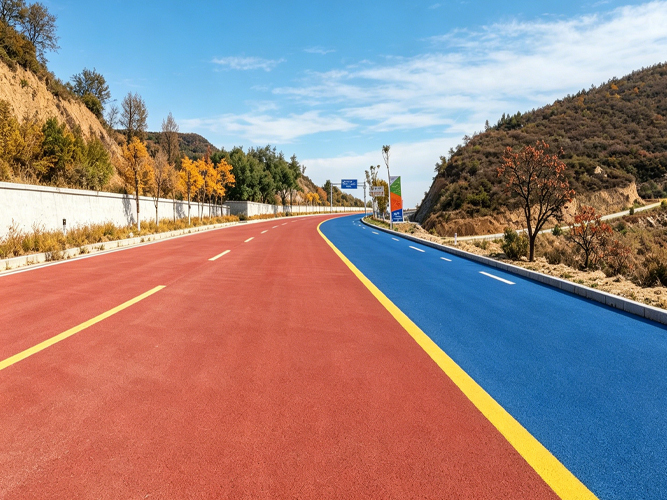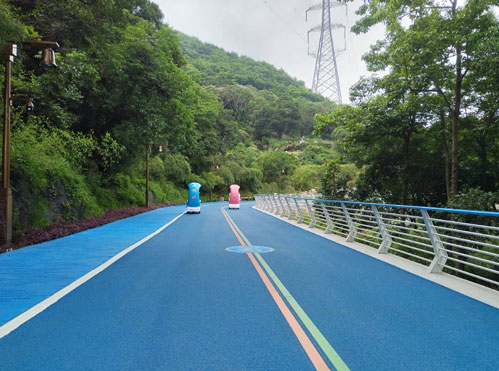
Highway safety is a critical aspect of modern transportation infrastructure. As vehicle speeds increase and traffic volumes continue to grow, maintaining adequate pavement friction becomes essential for preventing accidents and ensuring safe travel conditions. Road anti-skid materials play a vital role in highway safety engineering by enhancing surface grip, improving vehicle control, and reducing the likelihood of skidding-related incidents. These advanced materials have become an important component of highway construction, rehabilitation, and maintenance projects worldwide.

Pavement friction directly affects a vehicle's ability to accelerate, brake, and maneuver safely. Over time, highway surfaces can become polished due to heavy traffic, weather exposure, and natural wear. Reduced friction increases stopping distances and raises the risk of accidents, particularly during rain, snow, or other adverse weather conditions.
Anti-skid materials are specifically designed to restore and maintain high levels of surface friction. By improving tire-to-road contact, these materials help drivers maintain better control of their vehicles, even at high speeds and under challenging road conditions.
Road anti-skid systems typically consist of a high-performance binder combined with durable aggregates that create a textured surface. The rough texture increases friction between vehicle tires and the pavement, improving traction and reducing the likelihood of skidding.
Modern anti-skid materials may include:
Colored polymer anti-skid surfacing
High-friction surface treatments
Ceramic aggregate systems
Water-based anti-skid coatings
High-polymer slurry surfacing systems
These materials are engineered to provide long-lasting performance while withstanding heavy traffic loads and environmental stresses.
Enhanced pavement friction allows drivers to maintain better control during braking, acceleration, and cornering. This is especially important on highways where vehicles travel at higher speeds.
Anti-skid surfacing helps shorten stopping distances by increasing tire grip. Faster and more effective braking can significantly reduce the severity and frequency of collisions.
Water on road surfaces can create dangerous driving conditions. High-friction anti-skid materials improve drainage and maintain traction, helping prevent hydroplaning and wet-weather accidents.
Certain highway areas are more susceptible to accidents due to geometry or traffic conditions. Anti-skid materials are commonly applied to:
Sharp curves
Highway exits and entrances
Intersections
Bridge approaches
Steep gradients
Toll plazas
Accident-prone sections
These targeted applications help reduce crash rates and improve overall highway safety.
Many anti-skid systems also provide a protective layer that shields the underlying pavement from wear and environmental damage. This can extend pavement life and reduce maintenance costs.

Road anti-skid materials are widely used in both new construction and rehabilitation projects. Typical applications include:
Expressways and motorways
Urban highways
Rural highways
Bridge decks
Interchanges
Service roads
Tunnel approaches
Emergency stopping areas
Their versatility makes them suitable for a wide range of traffic and environmental conditions.
As highway engineering evolves, anti-skid materials continue to improve through advances in material science and construction techniques. Future developments include:
Manufacturers are increasingly incorporating environmentally friendly binders and recycled aggregates into anti-skid systems to reduce environmental impact.
Anti-skid surfaces may become part of intelligent transportation systems by supporting road sensors, autonomous vehicle guidance, and enhanced lane recognition technologies.
New formulations are being developed to provide greater durability, UV resistance, and color stability while reducing maintenance requirements.
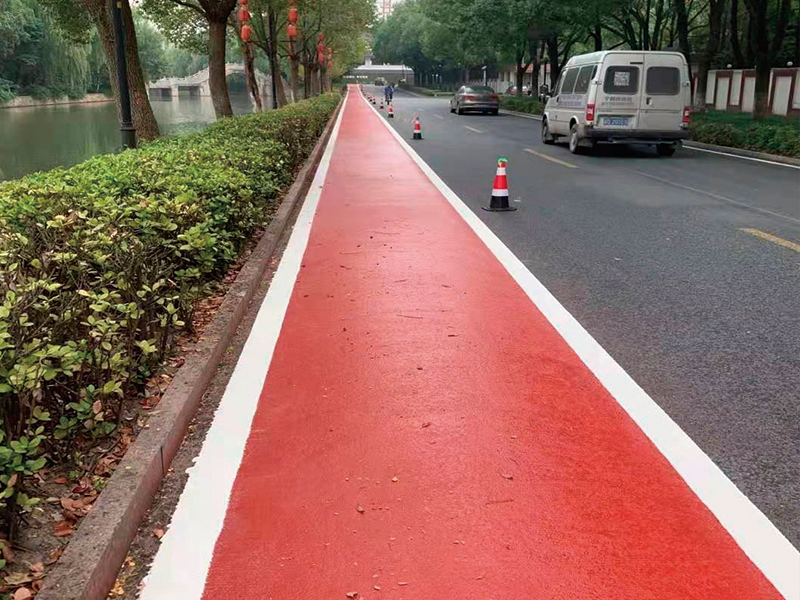
Colored anti-skid pavement is gaining popularity for lane differentiation, hazard identification, and traffic management applications, particularly in urban highway environments.
Road anti-skid materials are an essential element of highway safety engineering. By improving pavement friction, reducing braking distances, enhancing wet-weather performance, and increasing vehicle control, these materials contribute significantly to safer highway networks. As technology continues to advance, anti-skid surfacing solutions will play an even greater role in creating durable, sustainable, and intelligent transportation infrastructure. For highway authorities, engineers, and contractors, investing in high-quality anti-skid materials is a practical step toward achieving long-term road safety and performance objectives.