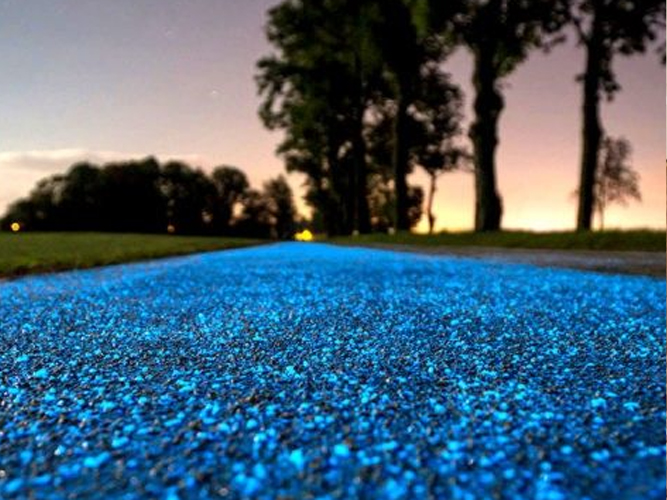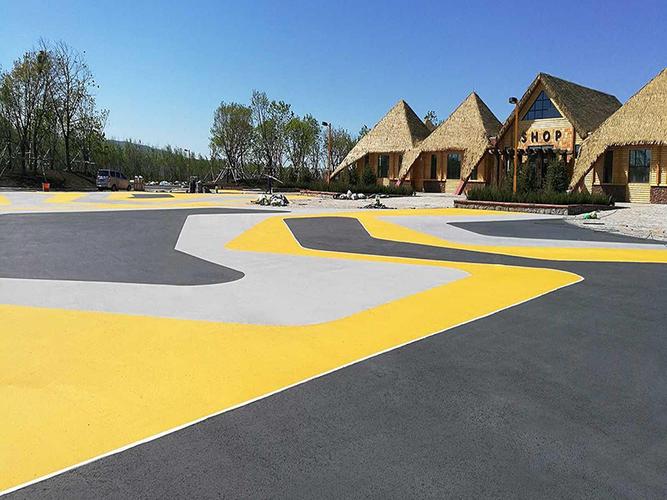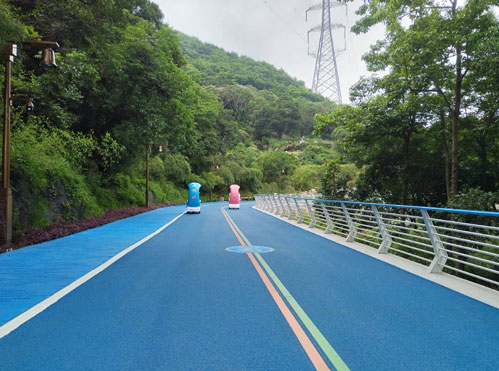
Cities around the world are increasingly using colored pavement as an effective solution for traffic management and urban road safety. With the growth of urban populations and transportation systems, road authorities need clearer and safer ways to organize traffic flow. Colored pavement provides both functional and visual advantages that help improve modern transportation infrastructure.
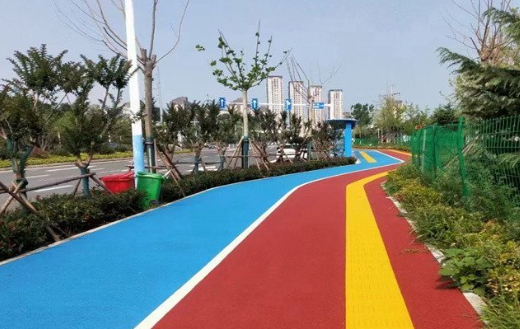
One of the main reasons cities choose colored pavement is its ability to improve traffic guidance. Different colors can clearly separate road functions and identify specific traffic zones. For example, green pavement is commonly used for bicycle lanes, red for bus lanes, and other bright colors for pedestrian areas or warning zones. These visual distinctions help drivers quickly recognize traffic rules and reduce confusion on busy roads.
Colored pavement also increases road safety by improving visibility. Bright and highly contrasting surfaces attract driver attention, especially at intersections, school zones, pedestrian crossings, and sharp curves. Drivers are more likely to slow down and remain alert when approaching colored road sections, helping reduce speeding and traffic accidents.
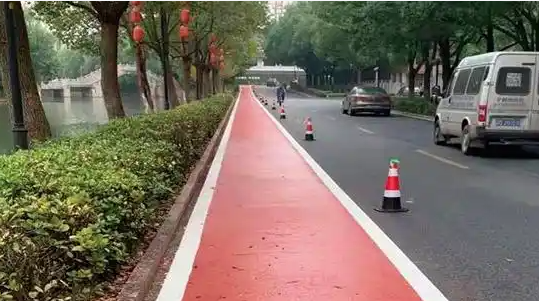
Another important advantage is improved traffic efficiency. Clearly marked lanes and zones help organize vehicle movement and reduce conflicts between cars, bicycles, buses, and pedestrians. This is particularly valuable in crowded urban areas where multiple transportation systems operate together.
Many colored pavement systems also include anti-slip materials or high-friction aggregates. These surfaces provide better tire grip during rainy or slippery conditions, improving braking performance and vehicle control. As a result, colored anti-slip pavement is widely used on ramps, bridges, tunnels, and accident-prone areas.
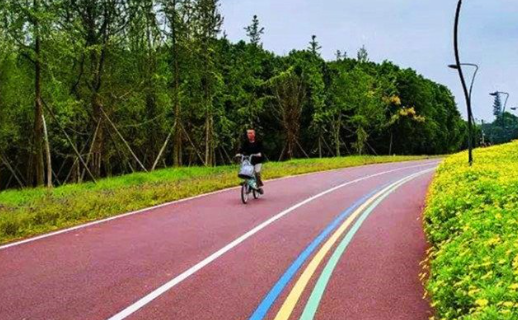
In addition, cities appreciate the durability and low maintenance requirements of modern colored pavement technologies. Materials such as MMA resin, water-based coatings, and micro-surfacing systems offer strong resistance to wear, UV exposure, and heavy traffic loads.
By combining safety, visibility, durability, and efficient traffic organization, colored pavement has become an important part of smart city transportation and modern traffic management strategies.