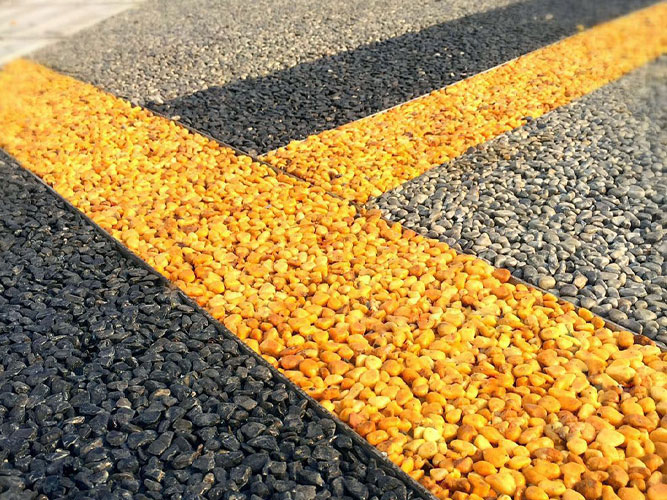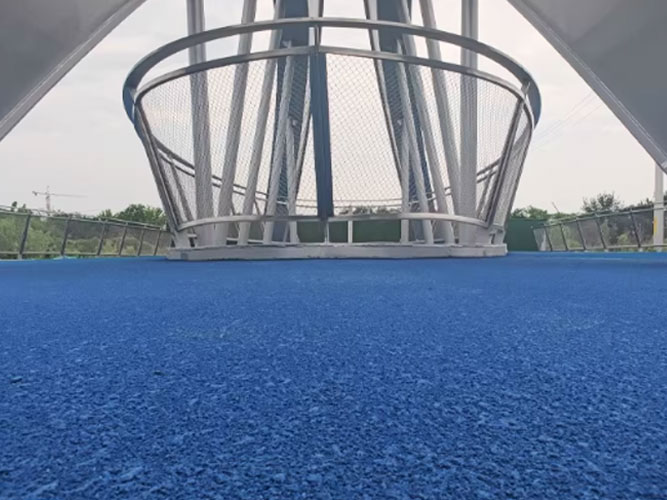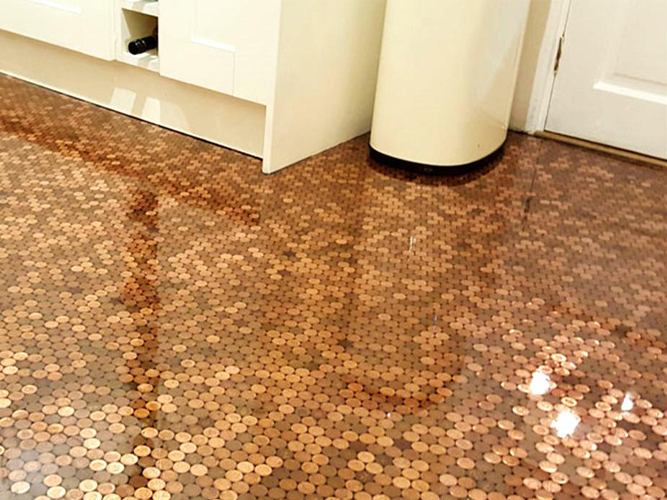
Across the world, transportation systems are evolving rapidly. Cities are expanding, traffic volumes are increasing, and safety expectations are becoming stricter. In this context, colored road surfaces are emerging as a new global trend in modern road infrastructure—not just for aesthetics, but for safety, efficiency, and intelligent traffic management.
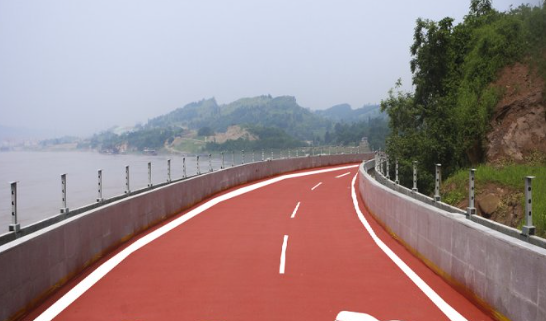
Traditional black asphalt roads are designed primarily for structural performance. However, they provide limited visual guidance and minimal functional differentiation between traffic zones.
Colored road surfacing changes this by turning pavement into a functional communication system. Roads are no longer just surfaces for driving—they become tools for guiding, warning, and organizing traffic behavior.
One of the biggest advantages of colored roads is enhanced visibility.
Colored surfaces clearly define:
Bicycle lanes
Bus lanes
Pedestrian crossings
School zones
High-risk intersections
Traffic calming areas
This visual separation reduces confusion among road users and helps prevent accidents caused by lane misuse or unclear road boundaries.
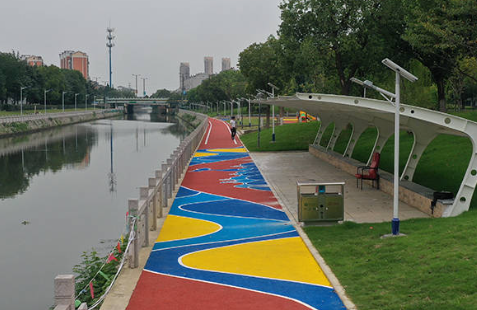
Modern colored road systems are not only visual—they are also high-friction safety layers.
By using resin binders and hard anti-skid aggregates, these surfaces provide:
Strong tire grip in wet and dry conditions
Reduced braking distance
Better vehicle control on curves and ramps
Improved safety in high-risk zones
This combination of visibility + friction performance is a key reason for global adoption.
As cities develop smart mobility strategies, colored roads play an important role in infrastructure planning.
They support:
Organized bicycle and pedestrian networks
Public transport priority lanes
Smart traffic zoning systems
Safer urban mobility planning
In addition, many modern systems use low-VOC and environmentally friendly materials, aligning with global sustainability goals.
Compared with traditional reconstruction methods, colored anti-skid surfacing systems offer:
Fast installation with minimal traffic disruption
Application on existing asphalt or concrete surfaces
Lower overall construction costs
Reduced long-term maintenance requirements
This makes them highly attractive for urban renovation projects and rapid infrastructure upgrades.
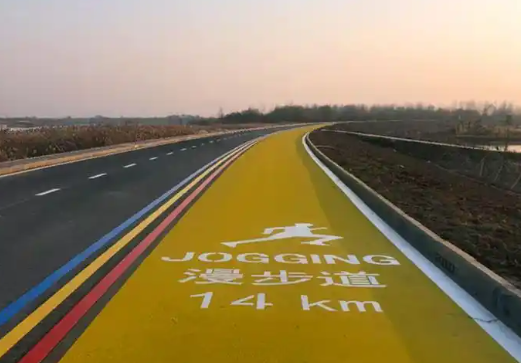
Many countries are now adopting colored road systems in:
Smart cities
Highway safety improvement projects
Urban cycling infrastructure expansion
Pedestrian safety programs
Airport and industrial zone traffic control
The trend is moving from experimental use to standard practice in modern road design.
As transportation systems become more complex, roads must do more than carry traffic—they must communicate information.
Colored road surfacing represents this shift. It integrates safety, guidance, and performance into a single system, making it an essential part of next-generation infrastructure.
Colored roads are becoming a global standard because they solve multiple problems at once: safety, visibility, organization, and efficiency. They improve driver awareness, reduce accidents, and support smarter urban mobility systems.
In the future, roads will not just connect places—they will actively help manage and protect the people who use them.