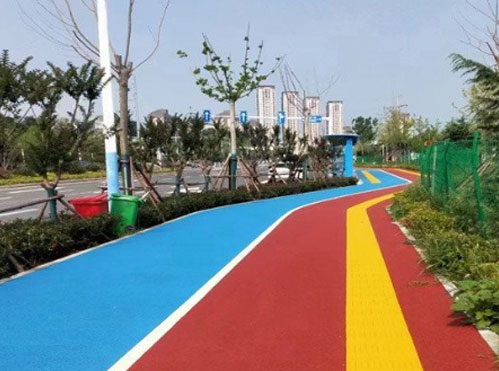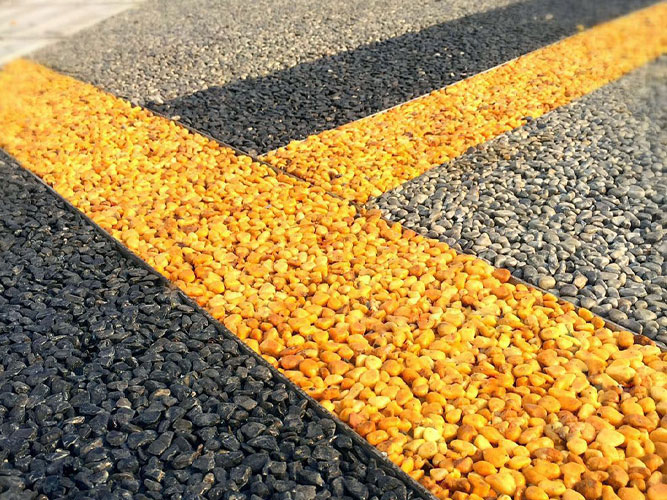
Colored anti-skid pavement is a high-friction road surface system designed to improve road safety, visibility, and pavement aesthetics. It is typically made by applying colored resin binders combined with anti-slip aggregates such as ceramic particles, quartz sand, or bauxite onto asphalt or concrete surfaces.
Compared with traditional black asphalt, colored anti-skid pavement provides better visual guidance and stronger skid resistance, especially in areas with heavy traffic, sharp turns, intersections, bus lanes, bicycle lanes, and pedestrian crossings.
The textured surface increases tire grip and reduces braking distance, helping improve driving safety in both dry and wet conditions.
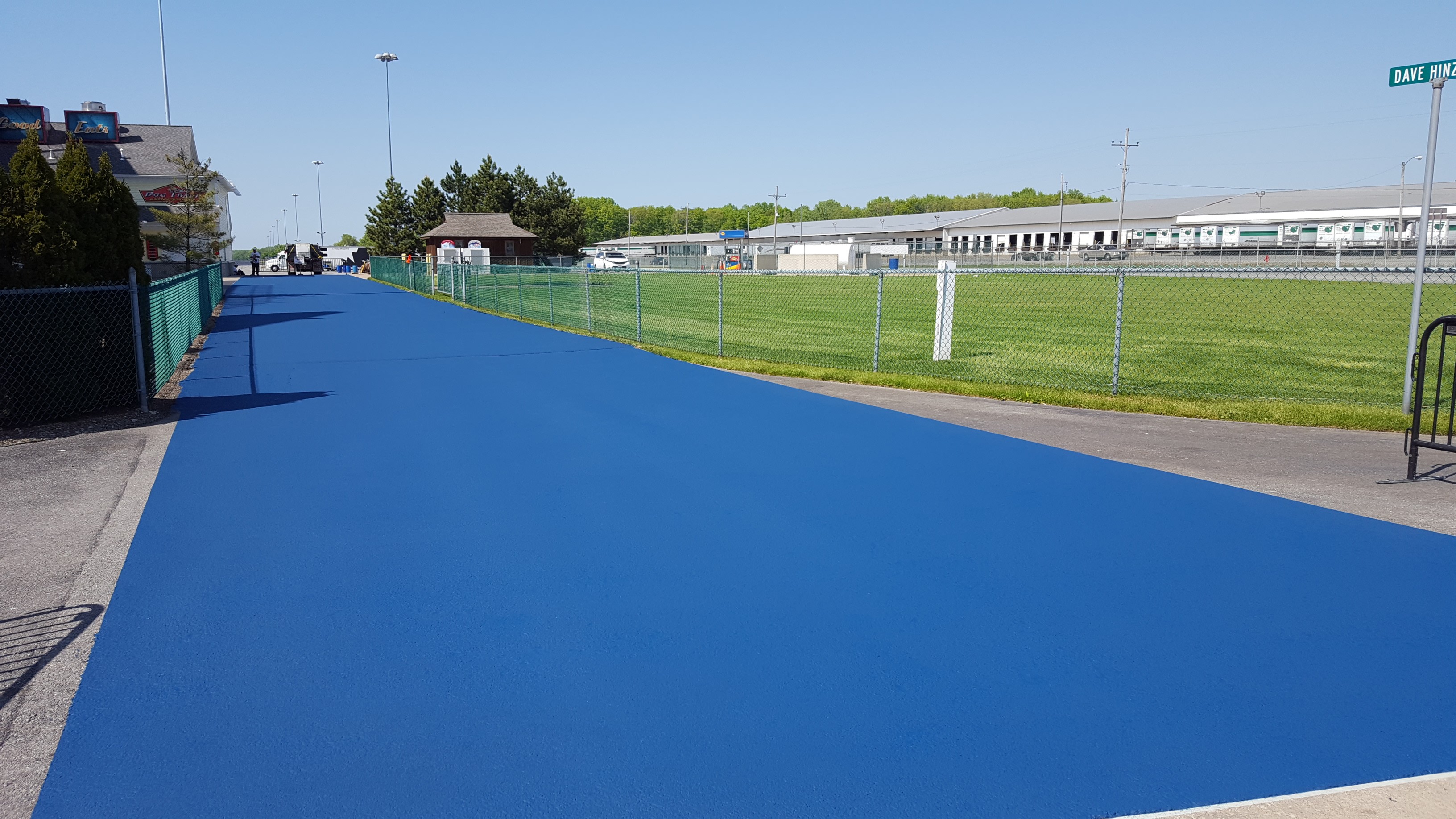
Common colors include red, green, blue, yellow, and gray. High-quality pigments and UV-resistant materials help maintain long-term color stability outdoors.
Colored anti-skid pavement is designed to withstand heavy traffic loads and continuous vehicle friction without easy peeling or fading.
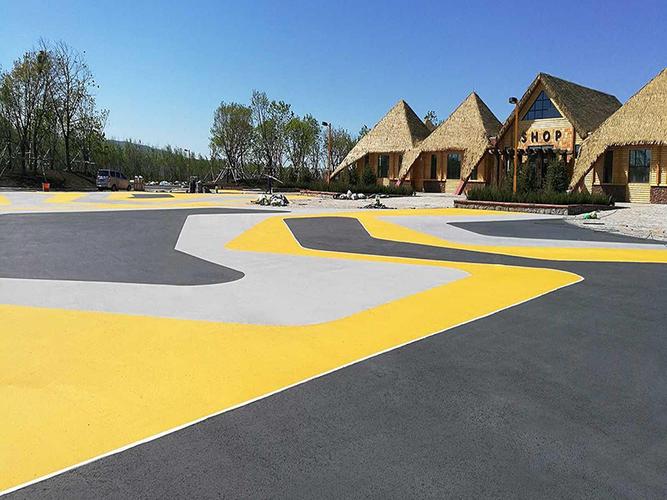
Different colors can be used to distinguish functional traffic areas such as bike lanes, bus lanes, pedestrian zones, and parking areas, improving traffic organization and visibility.
Most colored pavement systems can be installed quickly with minimal traffic disruption and are relatively easy to maintain.
Urban roads
Bicycle lanes
Bus lanes
Pedestrian crossings
School zones
Parking lots
Highway ramps
Tunnels and bridges
Commercial plazas
Industrial parks
The high-friction surface significantly reduces skidding risks and helps lower accident rates, especially in rainy weather and high-speed traffic areas.
Colored pavement creates a cleaner and more modern city image while improving road recognition and public space aesthetics.
Many colored pavement materials are environmentally friendly and suitable for modern green infrastructure projects.
High-quality colored anti-skid pavement systems offer excellent resistance to UV exposure, water, heat, and cold temperatures.
Colored anti-skid pavement is becoming an important solution for modern road construction and urban infrastructure. With advantages such as improved safety, attractive appearance, strong durability, and excellent traffic guidance, it is widely used in cities, highways, commercial areas, and public transportation systems around the world.