Coloured Surfacing: An Effective Visual Solution for Road Safety
Road safety management relies on both traffic signs and physical road improvements, among which coloured surfacing has emerged as a practical, efficient, and cost-effective traffic safety measure. Unlike traditional plain black asphalt roads, coloured road surfacing applies high-contrast, colourful materials to specific road sections, serving as a clear visual cue for drivers, pedestrians, and cyclists. It is not merely a decorative road design but a functional traffic management tool that reduces traffic conflicts, corrects driving behaviours, and minimizes accident risks in complex road environments .
The core safety value of coloured surfacing lies in its powerful visual warning and traffic zoning functions. Human vision is highly sensitive to colour contrasts, and distinct road colours can instantly attract road users’ attention, eliminating the limitations of conventional traffic signs that may be overlooked due to speeding, distracted driving, or poor weather. In hazardous road sections such as sharp curves, steep slopes, road junctions, and accident-prone areas, coloured surfacing creates a strong psychological hint for drivers, prompting them to slow down, concentrate on road conditions, and avoid sudden lane changes or emergency braking . Meanwhile, it clearly divides different functional road areas, effectively solving traffic confusion caused by mixed traffic flows.
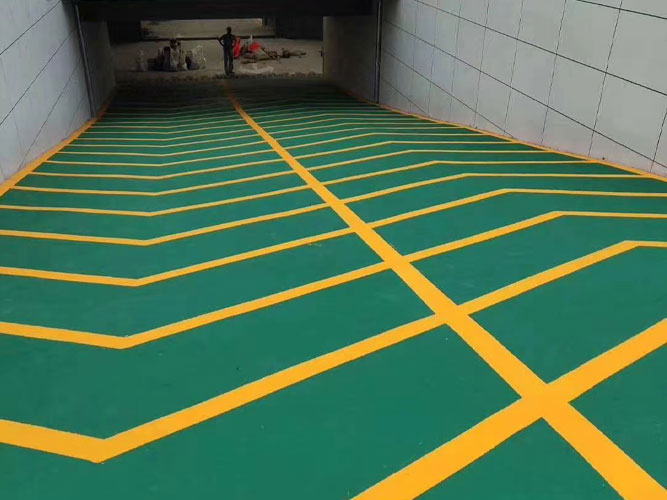
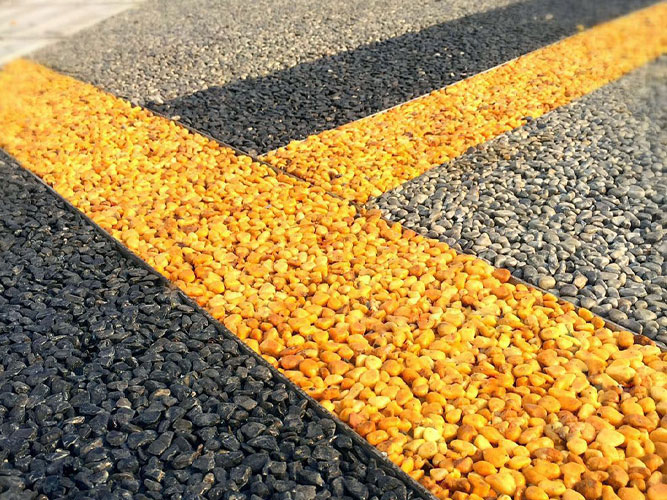
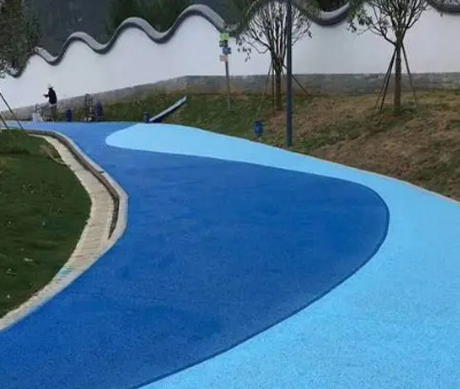
Different colours of road surfacing have standardized and targeted safety functions in global traffic management. Red surfacing is the most common warning colour, mainly applied to pedestrian crossings, school road sections, and no-parking zones. It restricts vehicle encroachment, reminds drivers to yield to pedestrians, and strengthens traffic calming effects in busy urban areas . Green coloured surfacing is specially used for bicycle lanes, which clearly delineates exclusive cycling spaces, raises drivers’ awareness of vulnerable cyclists, and protects the safety of non-motorized traffic. It also forms a coherent visual system for urban cycling networks, making cycling routes more recognizable . Yellow and orange surfacing is typically used at road junctions, ramp entrances and exits, and construction sections, highlighting potential traffic hazards and guiding orderly traffic convergence and diversion. In addition, blue and grey coloured surfaces are often used for bus lanes and emergency passages, ensuring the priority passage of public transport and rescue vehicles .
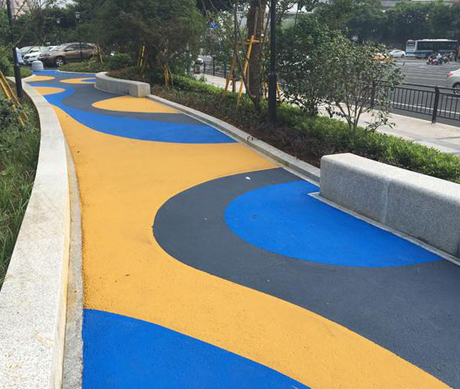
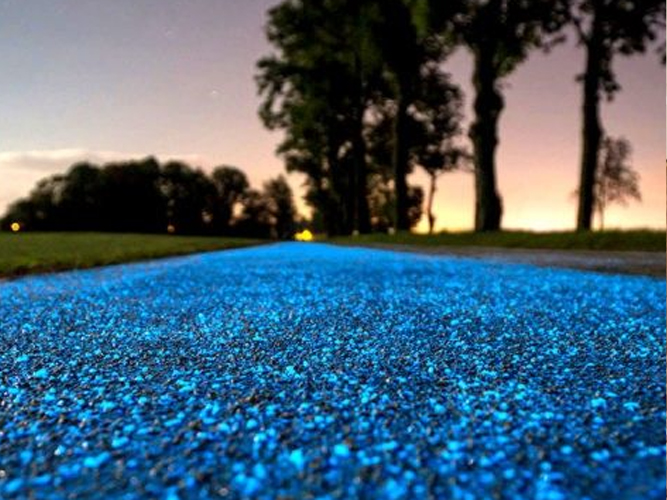
Coloured anti-skid surfacing, as an upgraded form of coloured road technology, further enhances road safety with physical performance advantages. Modern coloured surfacing materials are made of high-friction anti-skid aggregates, which greatly improve road surface adhesion. On rainy, snowy, or icy days, this material effectively shortens vehicle braking distances and prevents tyre skidding, reducing the incidence of wet-road traffic accidents . Moreover, these materials have excellent durability, resisting UV degradation and wear from long-term vehicle rolling, maintaining stable colour brightness and anti-skid performance for years, and ensuring long-term safety effects of road facilities .
The application scenarios of coloured surfacing cover urban roads, suburban highways, scenic roads, and residential community roads. In urban shared traffic spaces, it distinguishes footways, cycleways, and motor lanes, eliminating potential collision risks between different traffic participants . In school zones and residential areas, it serves as a silent traffic calming facility, reducing vehicle speed without excessive traffic signage. In complex road junctions and interchange sections, it standardizes lane functions, reduces driver hesitation and wrong lane behaviours, and smooths traffic operation . Relevant traffic data shows that the reasonable layout of coloured surfacing combined with traditional traffic signs can significantly reduce road traffic accident rates, especially accidents involving pedestrians and cyclists .
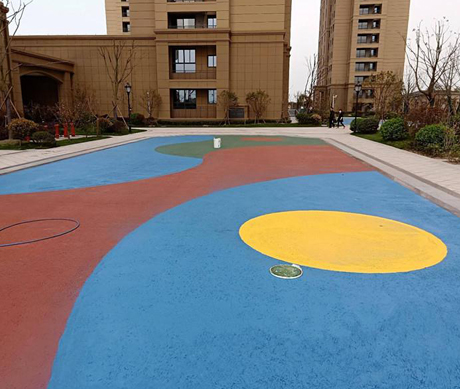
Beyond direct safety benefits, coloured surfacing also delivers auxiliary traffic management and urban landscape values. It helps traffic management departments quickly divide road functional areas, improve traffic organization efficiency, and standardize road use order . At the same time, diverse and harmonious road colours beautify urban road landscapes, integrate with surrounding architectural and natural environments, and avoid the monotonous visual experience of traditional black roads .
In conclusion, coloured surfacing is a mature and reliable road safety technology that combines visual guidance, physical protection, and traffic management functions. With clear colour coding, excellent anti-skid performance, and wide adaptability, it makes up for the deficiencies of traditional traffic safety facilities and provides precise, humanized safety protection for all road users. As urban traffic becomes increasingly complex, the scientific promotion and standardized application of coloured surfacing will continue to play a vital role in building safer, more orderly, and efficient road traffic systems.