Anti-Slip Pavement Coating Systems for Urban Traffic Engineering
Anti-slip pavement coating systems play an increasingly important role in modern urban traffic engineering by improving road safety, enhancing surface performance, and supporting efficient traffic organization. As cities become more congested and mobility demands increase, these systems provide a practical solution for upgrading existing infrastructure without full reconstruction.
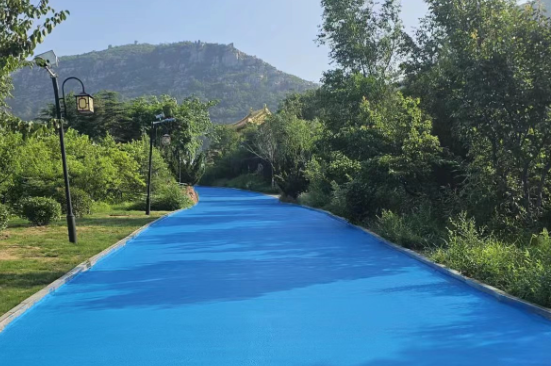
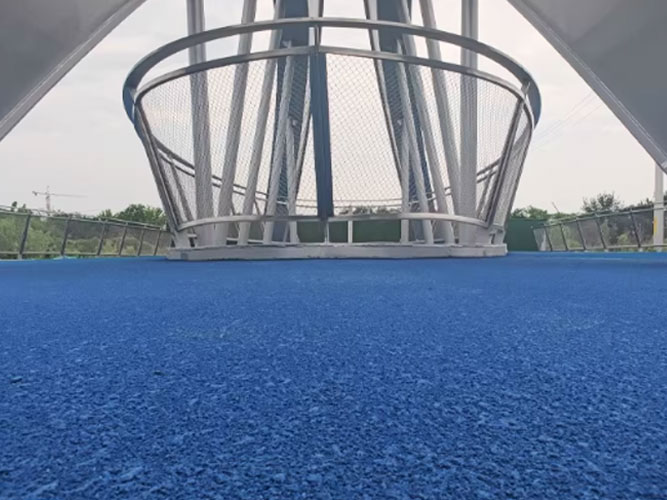
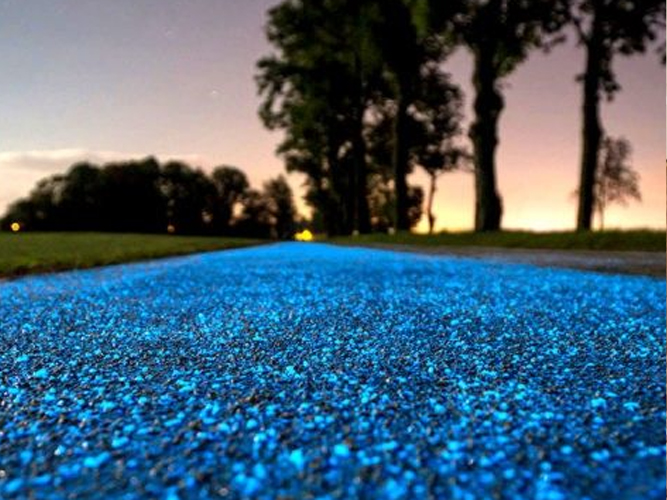
At the core of anti-slip pavement technology is surface friction engineering. These systems typically use high-performance binders such as MMA resin, epoxy-modified materials, or polyurethane-based coatings combined with high-friction aggregates like ceramic particles, basalt, or quartz sand. Once applied, they form a durable micro-textured surface that significantly increases skid resistance and improves tire grip under both dry and wet conditions.
In urban traffic engineering, safety is the primary objective. Anti-slip coating systems are widely applied at intersections, pedestrian crossings, bus lanes, bike lanes, ramps, and tunnel entrances—areas where sudden braking, turning, or mixed traffic flows increase accident risk. The enhanced friction reduces braking distance and improves vehicle stability, helping to prevent skidding and collisions.
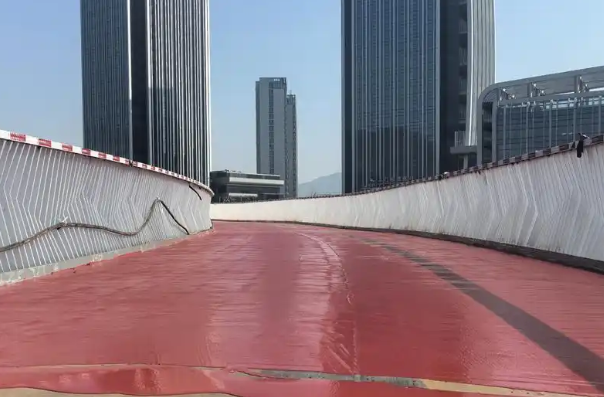
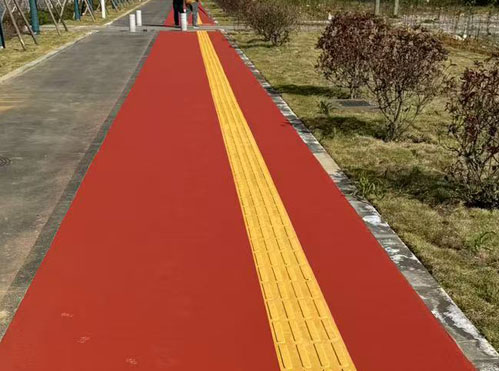
Another key function is traffic organization. When combined with colored pavement design, anti-slip coatings create clear visual differentiation between road zones. This helps separate vehicles, cyclists, and pedestrians more effectively, reducing confusion in complex urban environments. It also improves wayfinding, making roads more intuitive for both drivers and pedestrians.
Durability is a critical factor in urban applications. Modern systems are designed to withstand heavy traffic loads, frequent braking forces, UV exposure, rain, and temperature fluctuations. Unlike traditional road paint, anti-slip coatings maintain both texture and performance over time, reducing maintenance frequency and long-term operational costs for municipalities.
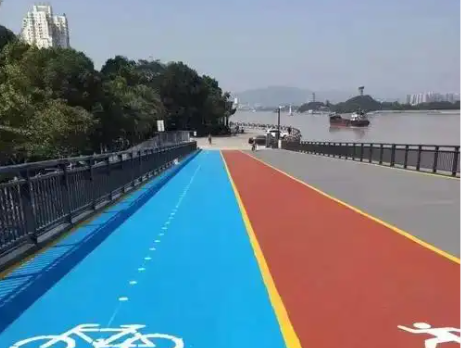
These systems also support sustainable urban development goals. By extending the life of existing pavement surfaces, they reduce the need for full road reconstruction, lowering material consumption and minimizing construction-related disruptions. Fast application methods such as spray or trowel systems allow for efficient installation with minimal traffic closure.
In addition, anti-slip coatings can be customized according to functional requirements. Thickness, aggregate size, and color can be adjusted depending on whether the application is for high-speed roads, pedestrian zones, or cycling infrastructure.
In conclusion, anti-slip pavement coating systems are a key component of modern urban traffic engineering. They integrate safety, durability, and visual communication into a single solution, helping cities build smarter, safer, and more efficient transportation networks.