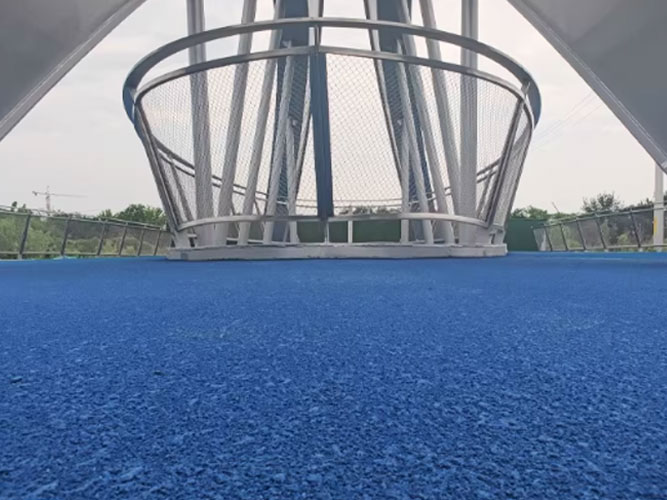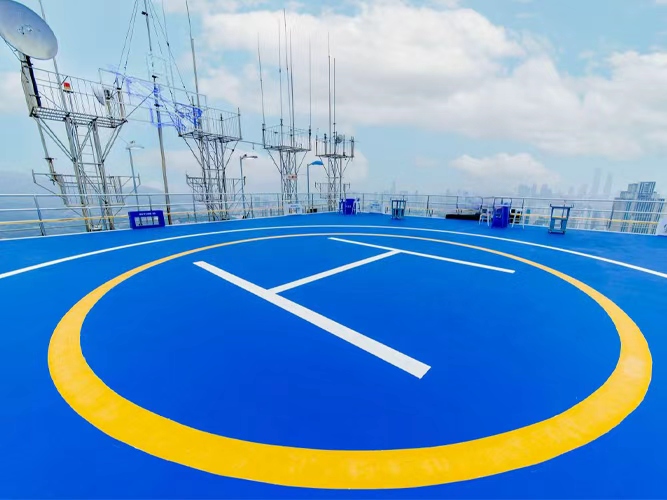
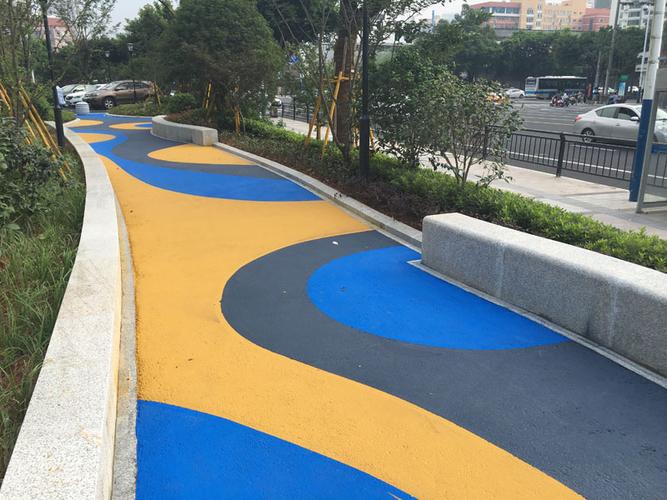
Colored anti-skid coatings for bike lanes and crosswalks are specialized pavement surfacing systems designed to improve road safety, visibility, and surface friction in high-risk pedestrian and cycling areas. They are widely used in urban transportation networks to clearly separate traffic zones and reduce accident risks.
These coatings are thin-layer surfacing materials applied to asphalt or concrete roads. They typically consist of polymer-modified resins, colored aggregates, pigments, and performance additives that form a durable, textured, and high-friction surface after curing.
Unlike standard road paint, anti-skid coatings provide both visual guidance and functional slip resistance.
The inclusion of textured aggregates creates a rough surface that significantly increases friction. This improves safety for cyclists and pedestrians, especially in rainy or wet conditions.
Bright colors such as red, green, blue, or yellow clearly define bike lanes and crosswalks, helping drivers quickly recognize designated zones and improving traffic organization.
High-performance coatings resist UV exposure, rain, temperature changes, and heavy traffic wear, ensuring long-term color stability and surface performance.
These systems can be quickly applied and cured, making them suitable for busy urban roads where minimizing traffic interruption is essential.
Colored anti-skid coatings are widely used in:
Bicycle lanes in urban road networks
Pedestrian crosswalks and intersections
School zones and safety corridors
Shared pedestrian–cycling paths
Bus stops and transit areas
Traffic-calming zones in city centers
In modern cities, colored anti-skid coatings play an important role in separating different traffic flows. They improve driver awareness, guide cyclists safely, and protect pedestrians by reducing conflict points between vehicles and non-motorized traffic.
These systems are also increasingly used in smart city planning to enhance walkability and cycling infrastructure.
Colored anti-skid coatings for bike lanes and crosswalks combine safety, durability, and clear visual guidance. With excellent friction performance and strong weather resistance, they are an effective solution for improving urban traffic safety and supporting sustainable transportation development.