Advanced Road Anti-Skid Materials for Wet Weather Conditions
Wet weather is one of the most dangerous conditions for road transportation. Rainwater reduces tire-road friction, increases stopping distance, and raises the risk of hydroplaning and skidding. To solve these challenges, Road anti-skid materials are widely used in modern infrastructure to maintain safe driving performance even under heavy rain conditions.
Why Wet Weather Makes Roads Dangerous
When rain falls on road surfaces, a thin water film forms between tires and pavement. This reduces direct contact and lowers friction significantly. On smooth or worn asphalt, vehicles can easily lose control, especially during:
Sudden braking
Sharp cornering
High-speed driving
Lane changes in heavy traffic
This is why wet-weather safety is a key focus in highway and urban road design.
How Advanced Road Anti-Skid Materials Work in Wet Conditions
Advanced anti-skid systems are designed to maintain friction even when water is present on the surface. They achieve this through several engineering mechanisms:
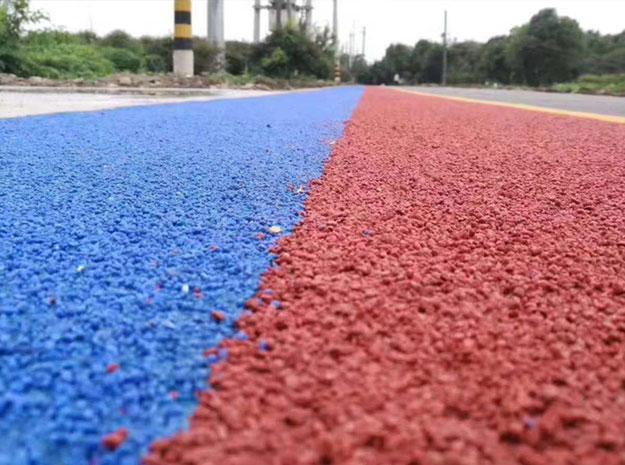
First, high macro-texture drainage structure. Coarse aggregates such as ceramic particles, basalt, or calcined materials create open surface gaps that allow water to drain quickly instead of forming a slippery film.
Second, micro-texture friction enhancement. Even at a microscopic level, the surface contains rough peaks and valleys that maintain tire grip under wet conditions.
Third, strong bonding systems. Resin or polymer binders securely lock aggregates in place, ensuring that the anti-skid texture does not wear away under traffic stress and water erosion.
Types of Advanced Anti-Skid Materials for Rainy Conditions
Different materials are used depending on road function and safety level:
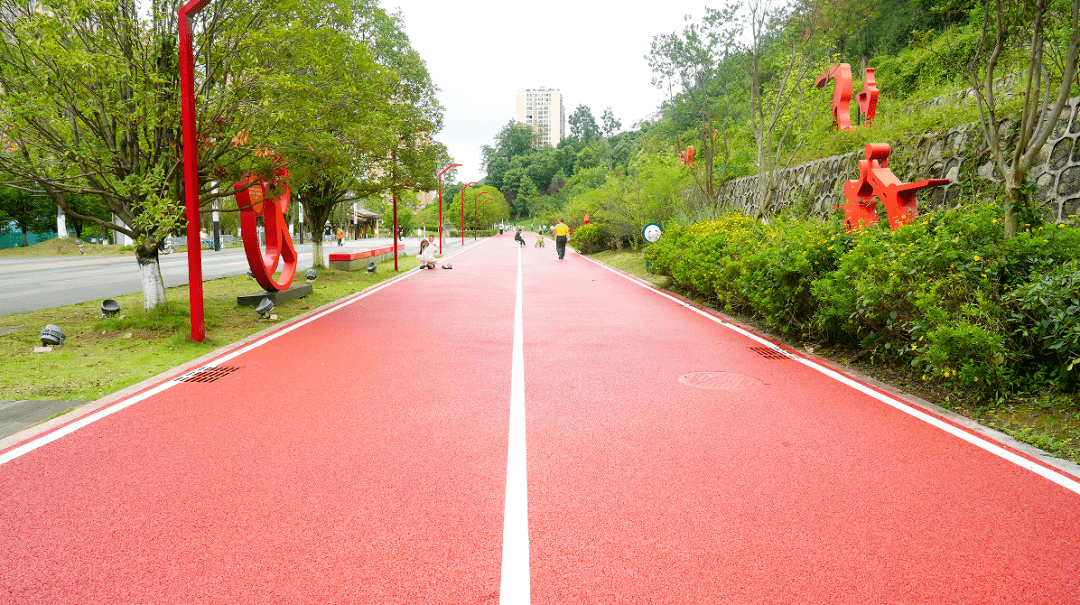
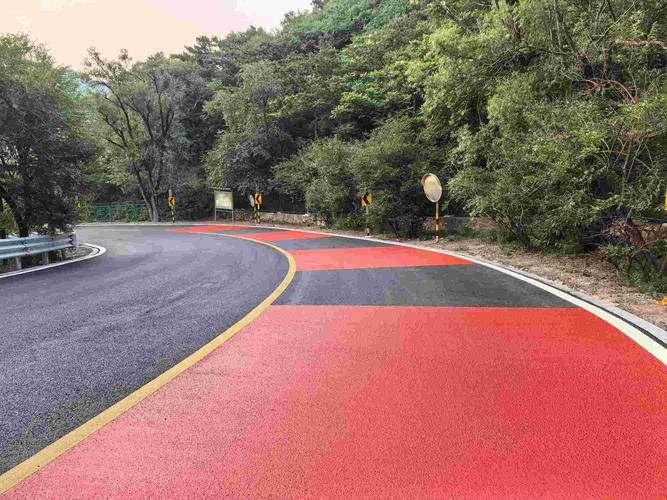
High-Friction Surface Treatments (HFST): Extremely high grip performance, ideal for curves, ramps, and intersections
Ceramic Aggregate Anti-Skid Systems: Excellent long-term durability and stable friction in all weather conditions
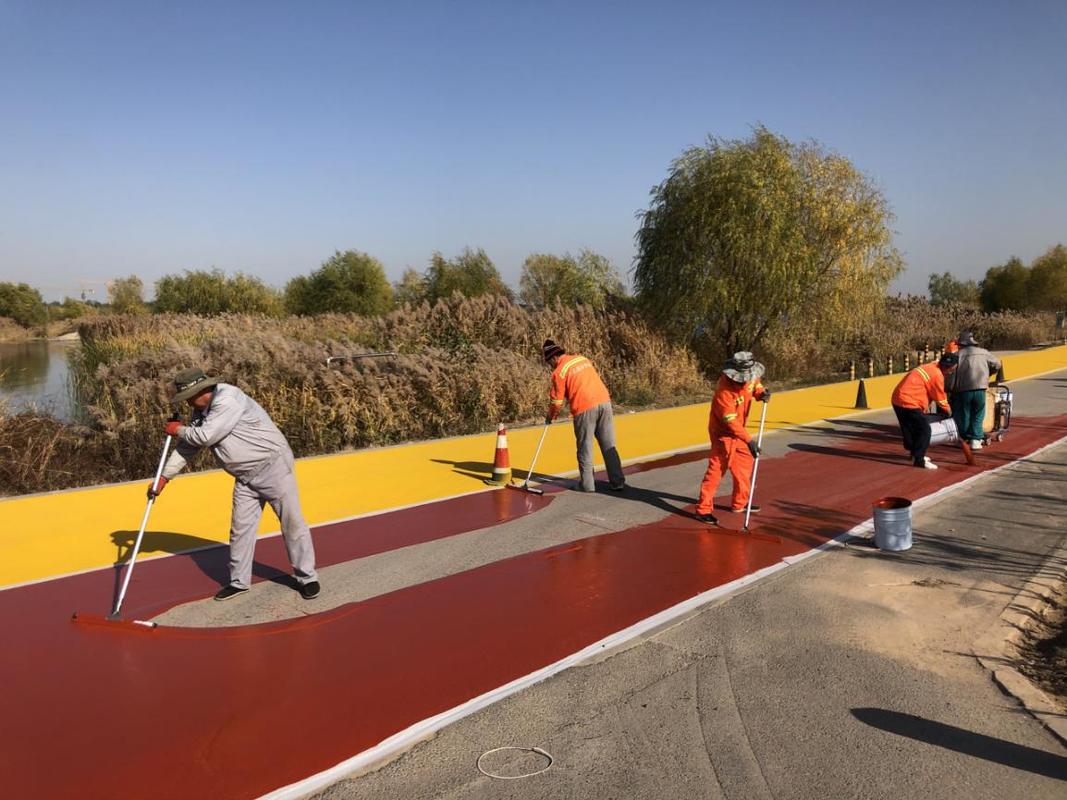
Epoxy Resin Anti-Skid Coatings: Strong adhesion and high resistance to water damage
Polymer-Modified Micro-Surfacing: Suitable for large urban roads requiring fast rehabilitation
Key Safety Advantages in Wet Weather
Road anti-skid materials significantly improve driving safety in rainy environments by:
Reducing hydroplaning risk by improving water drainage
Shortening braking distance on wet asphalt
Increasing tire grip during cornering and turning
Improving stability for motorcycles and bicycles
Enhancing safety at intersections and pedestrian crossings
Critical Application Areas in Rain-Prone Regions
These materials are especially important in locations where rainfall is frequent or heavy:
Highway curves and downhill sections
Bridge decks exposed to rain and wind
Tunnel entrances and exits
Urban intersections and bus lanes
Bicycle lanes and shared pathways
Long-Term Performance Benefits
Beyond immediate safety improvements, advanced anti-skid systems also provide long-term durability. They resist water damage, UV exposure, and heavy traffic wear, reducing the need for frequent maintenance and lowering overall infrastructure costs.
Conclusion
Advanced road anti-skid materials are essential for maintaining road safety in wet weather conditions. By improving drainage, increasing surface friction, and ensuring long-lasting durability, they significantly reduce accident risks and enhance driving stability. As climate variability increases and rainfall events become more intense, these materials are becoming a core standard in modern road engineering systems worldwide.