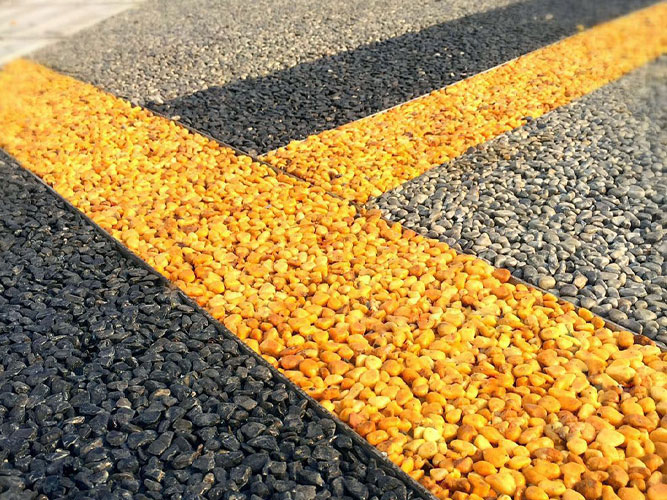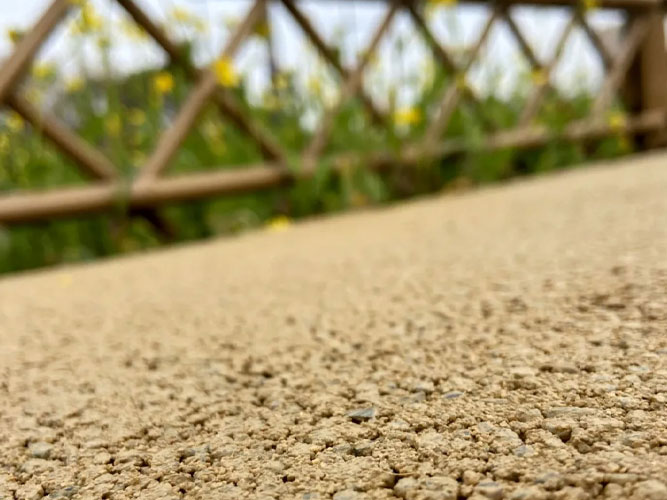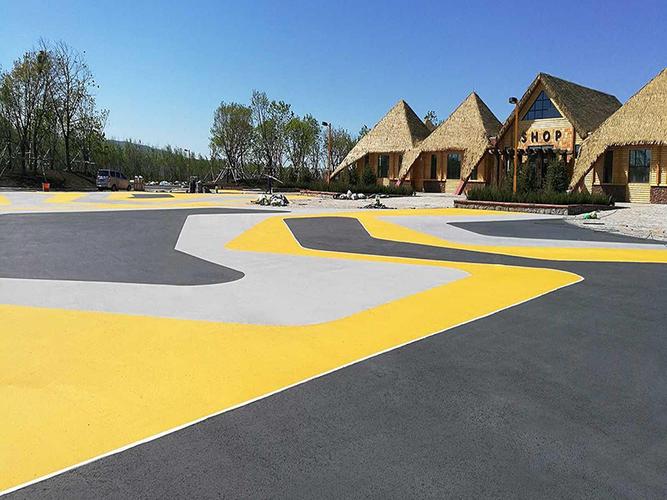
Colored pavement is increasingly used in modern cities not only for traffic safety and visual design, but also as part of strategies to reduce the urban heat island (UHI) effect. Urban heat islands occur when dense built-up areas absorb and retain more heat than surrounding natural environments, mainly due to dark asphalt, concrete surfaces, and limited vegetation.
By using specially engineered colored and reflective pavement systems, cities can reduce surface temperatures, improve comfort, and support more sustainable urban environments.
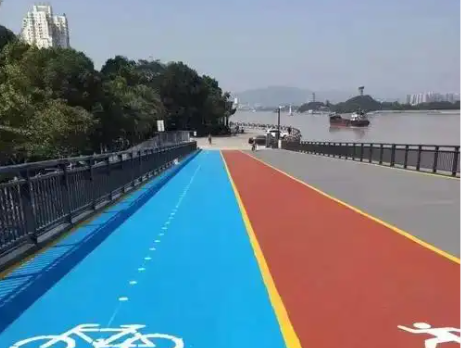
One of the main ways colored pavement helps reduce heat is by reflecting more sunlight than traditional dark asphalt.
Key benefits include:
Reduced solar heat absorption
Lower surface temperature during daytime
Improved thermal comfort in pedestrian areas
Less heat radiating back into the environment
Lighter colors such as light gray, beige, or specially formulated reflective coatings reflect more solar radiation, reducing heat buildup.
Modern colored pavement materials are often designed with higher Solar Reflectance Index (SRI) values. A higher SRI means the surface reflects more sunlight and absorbs less heat.
This leads to:
Cooler pavement surfaces
Reduced surrounding air temperature
Lower energy demand for nearby buildings
Improved microclimate conditions in dense urban zones
Traditional asphalt absorbs heat during the day and slowly releases it at night, contributing to persistent high temperatures in cities. Colored pavement systems reduce this heat storage effect by:
Using reflective pigments
Incorporating specialized binders
Reducing dark carbon-based surface dominance
This helps limit nighttime heat retention and improves overall urban temperature balance.
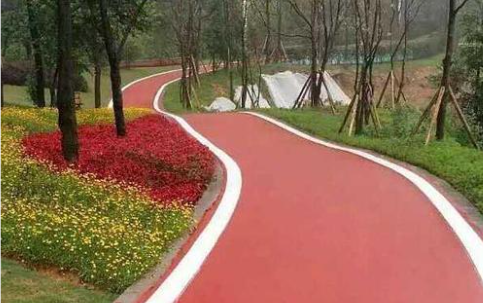
Colored pavement is widely used in bike lanes, sidewalks, and public plazas where pedestrian comfort is important.
Benefits include:
Reduced surface temperature for walkers and cyclists
Safer and more comfortable outdoor spaces
Encouragement of walking and cycling in hot climates
Improved usability of public spaces during summer
Modern colored pavement systems often combine heat reduction with anti-slip performance, using high-friction aggregates and resin binders.
This ensures that even reflective or lighter-colored surfaces remain:
Safe in wet conditions
Resistant to slipping
Suitable for high-traffic urban use
Colored pavement supports broader sustainability goals in smart cities by:
Reducing energy consumption in surrounding buildings
Lowering demand for cooling systems
Improving outdoor livability
Supporting climate-resilient infrastructure
It is often integrated into green urban planning strategies alongside tree planting, permeable pavements, and shaded walkways.
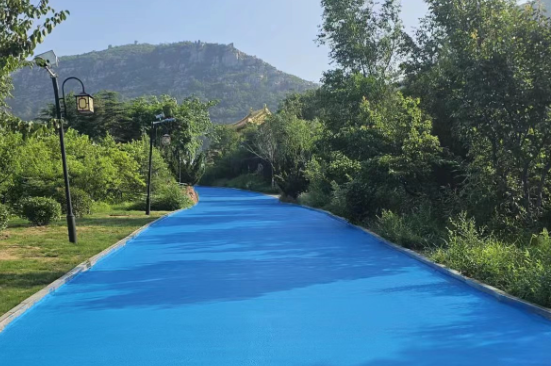
Colored pavement is especially useful in:
Dense city centers
Public squares and plazas
Bicycle and pedestrian corridors
School zones and playgrounds
Transit stations and bus terminals
These are areas where heat stress has a direct impact on public comfort and safety.
Colored pavement helps reduce urban heat island effects by increasing surface reflectivity, lowering heat absorption, and improving urban microclimates. When combined with modern materials and smart design, it contributes to cooler, more comfortable, and more sustainable cities. As climate challenges grow, colored pavement is becoming an important tool in building environmentally resilient urban infrastructure.