What Happens When Roads Become High-Friction AND Color-Coded?
When a road is both high-friction and color-coded, it fundamentally changes from a passive transport surface into a combined physical + visual safety system. Instead of only “supporting vehicles,” the road starts actively influencing how drivers see, react, and control their vehicles in real time.
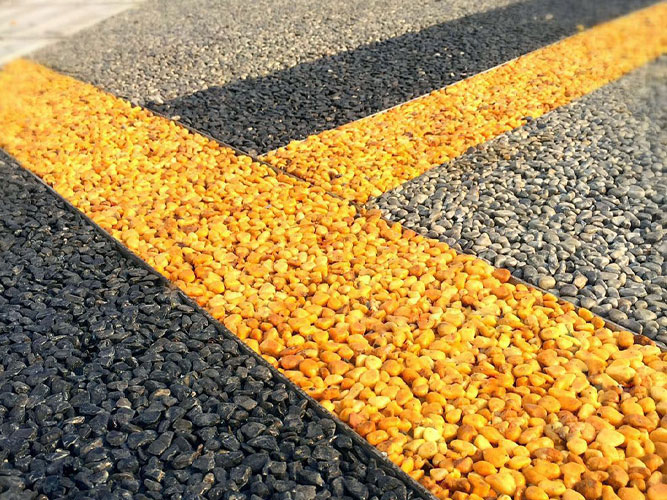
The first major change is a sharp improvement in control and stability. High-friction surfacing increases the grip between tire and road, especially during braking, turning, and emergency maneuvers. This is achieved through engineered surface textures like those used in High Friction Surfacing, where durable aggregates (such as ceramic or hard mineral particles) are locked into the pavement surface. The result is more consistent traction even in rain, oil contamination, or heavy traffic wear—conditions where traditional asphalt often becomes slippery and unpredictable.
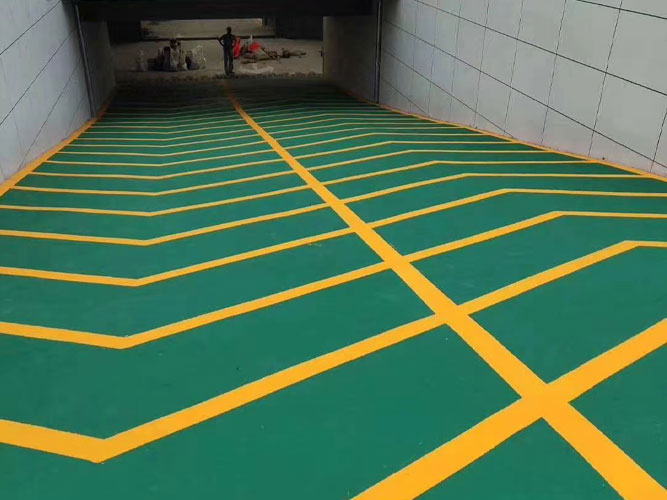
At the same time, color adds a completely different layer of safety: instant recognition. Drivers don’t just feel the road better—they understand it faster. Color-coded zones turn the roadway into a visual language. A bright high-contrast section can signal caution, a protected lane can be clearly separated from general traffic, and pedestrian or bicycle areas become immediately distinguishable. This reduces hesitation, confusion, and late decision-making.
When these two systems work together, something important happens: physical safety and cognitive safety align.
High friction reduces the chance of losing control.
Color reduces the chance of making the wrong decision.
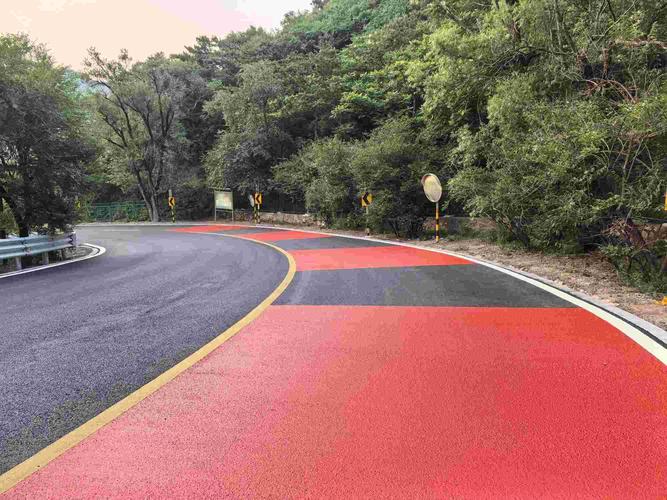
The second major impact is at conflict points—areas where most serious accidents happen. Intersections, highway ramps, sharp curves, tunnel entrances, and crossings all require fast decisions under pressure. In these zones, color-coded surfacing provides early visual warning, while high friction ensures the vehicle can still be controlled even if braking is late or aggressive. This “double protection layer” significantly reduces both crash probability and crash severity.
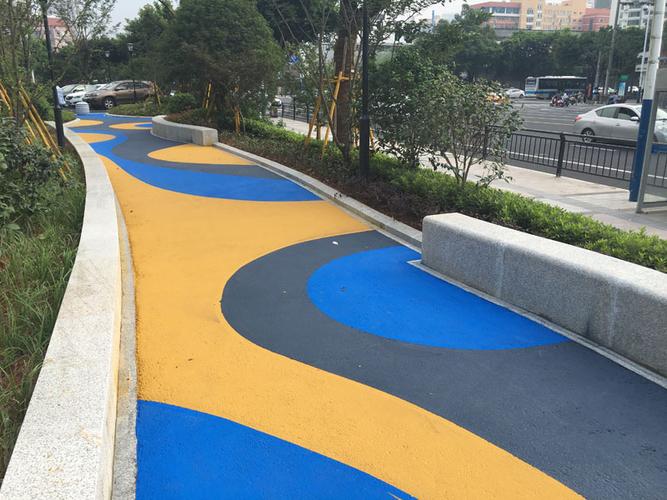
Weather conditions make the effect even more powerful. In rain, asphalt loses friction and visual clarity at the same time. High-friction surfaces maintain grip when wet, while colored surfaces remain more visible than standard markings. This combination directly reduces hydroplaning risk, lane confusion, and nighttime or low-visibility accidents.
Modern construction systems such as Color Emulsified Micro-Surfacing make this integration practical at scale. They allow engineers to resurface roads while simultaneously improving skid resistance and adding durable color in a single process. This reduces construction time, traffic disruption, and long-term maintenance costs—making safety upgrades easier to deploy across entire cities.
There is also a behavioral effect that is often underestimated. Drivers subconsciously respond to surface color and texture. High-contrast, textured zones naturally signal “slow down” or “pay attention,” while smoother, neutral zones feel more standard and predictable. This means the road itself begins to guide behavior without requiring constant signage or enforcement.
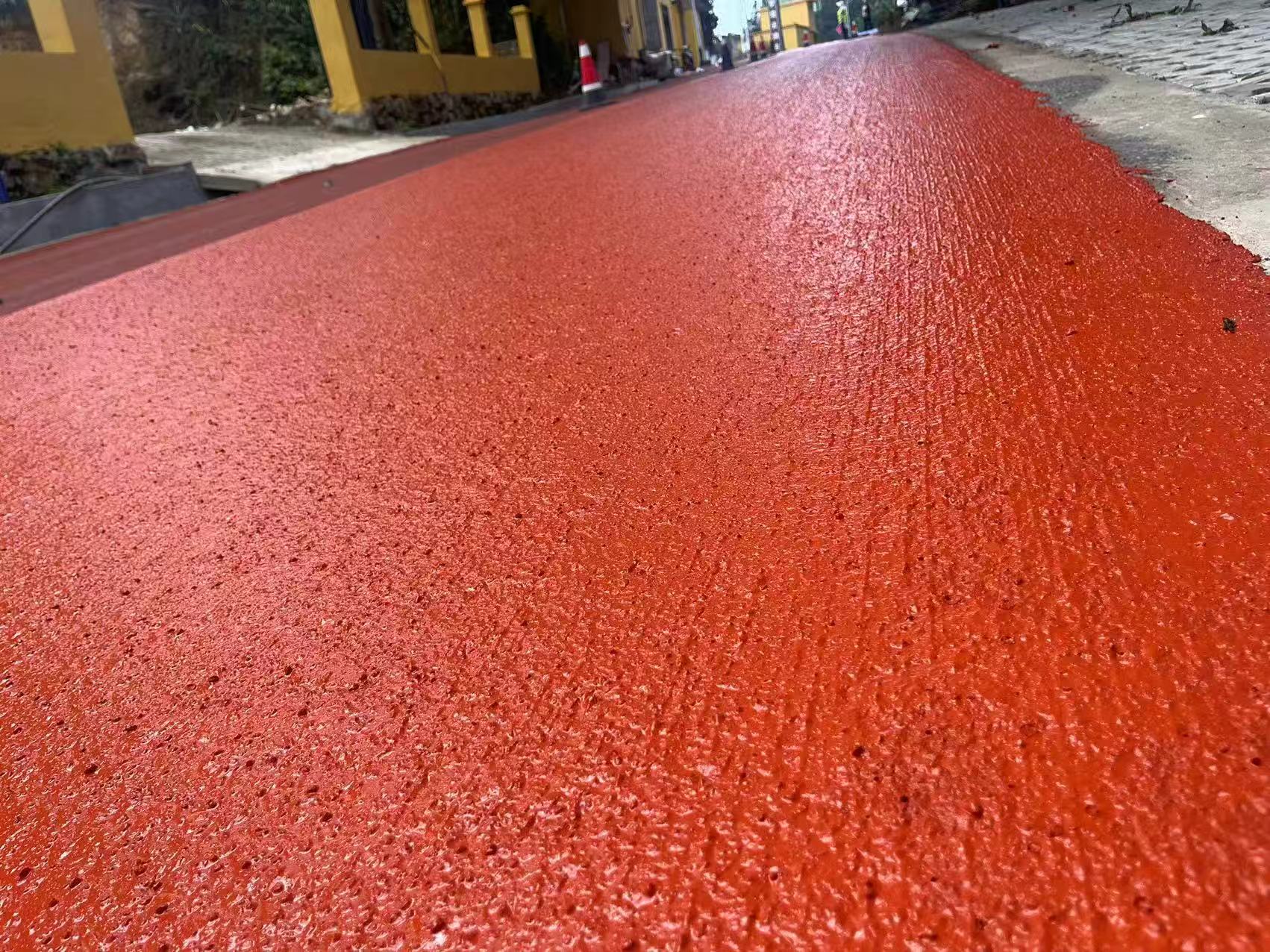
When combined, these effects create a multi-layer safety system:
Physical layer: increased friction prevents loss of control
Visual layer: color improves recognition and guidance
Behavioral layer: drivers instinctively adjust speed and attention
In conclusion, when roads become both high-friction and color-coded, they stop being simple infrastructure and become intelligent safety environments. They don’t just carry traffic—they actively reduce risk, shape decisions, and prevent accidents before they happen.