High friction ceramic particle pavement is an advanced road surfacing system designed to significantly improve skid resistance, enhance vehicle control, and increase safety in high-risk urban traffic areas. By using specially engineered ceramic particles bonded with high-performance resins, this pavement creates a durable, high-grip surface suitable for modern city roads and transportation infrastructure.
It is widely applied in intersections, bicycle lanes, pedestrian crossings, bus lanes, ramps, bridges, tunnels, and sharp curves where traffic accidents are more likely to occur.
High friction ceramic particle pavement is a thin surface treatment system that combines calcined ceramic aggregates with resin-based binders such as MMA, epoxy, or polyurethane. The ceramic particles are manufactured under high temperatures, giving them exceptional hardness, wear resistance, and long-term color stability.
Once installed, the ceramic particles remain exposed on the surface, creating a rough texture that significantly increases friction between tires and the pavement.
This pavement system improves road safety through two main mechanisms: friction enhancement and visual guidance.
The hard ceramic particles create a highly textured surface. When tires come into contact with the pavement, the increased micro-roughness improves grip, especially during:
Wet weather conditions
Emergency braking
Sharp turns
Downhill or ramp sections
This reduces stopping distance and improves vehicle stability.
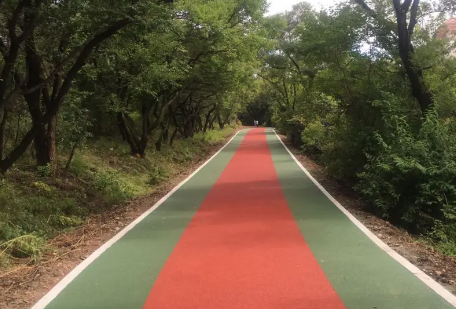
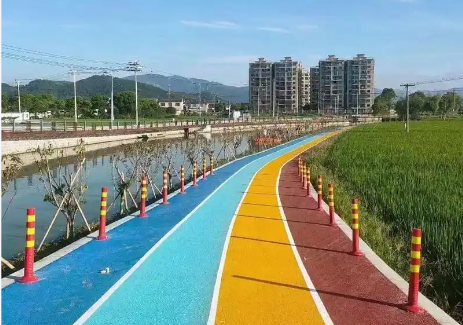
Colored ceramic particles enhance road visibility and help define traffic zones. Bright and contrasting colors improve driver awareness and reduce confusion in complex traffic environments.
Common color applications include:
Red for warning or conflict zones
Green for bicycle lanes
Yellow for caution areas
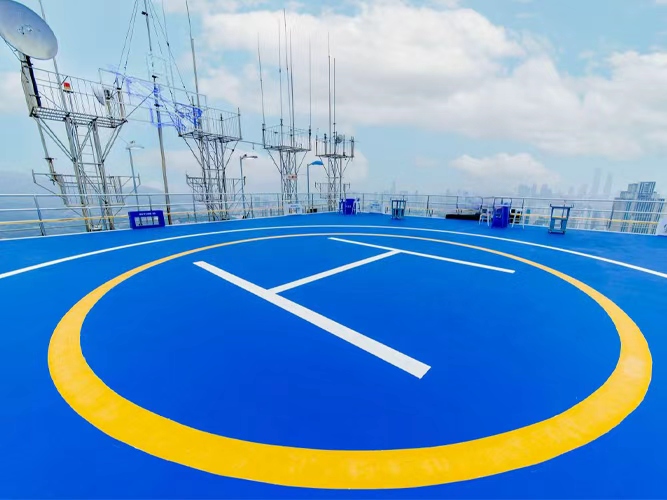
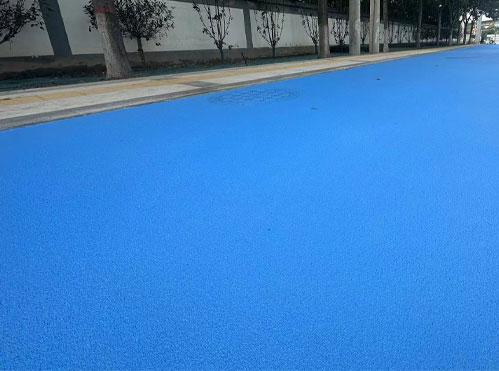
Blue for special-use zones
The system provides one of the highest levels of friction performance available in modern pavement technology, making it ideal for accident-prone areas.
Ceramic particles are highly durable and resistant to wear, ensuring stable performance under heavy traffic conditions.
The surface is resistant to UV radiation, rain, temperature changes, and chemical exposure, maintaining performance over time.
High friction ceramic particle pavement can be installed quickly with minimal traffic disruption, making it suitable for urban maintenance projects.
Due to its durability and strong bonding system, the pavement requires less frequent maintenance compared to conventional surface treatments.
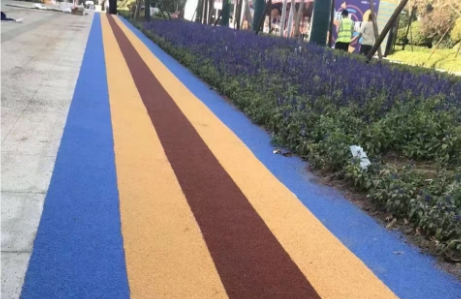
High friction ceramic particle pavement is widely used in:
Urban intersections
Pedestrian crossings
Bicycle lanes
Bus rapid transit corridors
Highway ramps and exits
Bridge approaches
Tunnel entrances and exits
Sharp curves and downhill sections
These areas benefit most from enhanced friction and improved visual guidance.
Compared with standard asphalt or painted road markings, high friction ceramic particle pavement offers:
Much higher skid resistance
Longer durability
Better color stability
Improved traffic safety performance
Stronger visibility in all weather conditions
Reduced long-term maintenance costs
These advantages make it a preferred solution for modern urban road safety engineering.
As cities focus more on smart transportation systems and accident reduction strategies, high friction ceramic particle pavement is evolving with improved resin technologies, more durable ceramic materials, and environmentally friendly production processes.
In the future, this pavement system will continue to play a key role in building safer, more efficient, and more sustainable urban road networks.