High friction surfacing (HFS) is a specialized road treatment designed to significantly improve skid resistance in areas where braking, turning, and pedestrian interaction are most frequent. In modern urban infrastructure, it is widely applied on crosswalks, intersections, and bus lanes to reduce accident risks and improve overall traffic safety.
By using durable aggregates bonded with high-performance resins, high friction surfacing creates a textured road layer that enhances tire grip under both dry and wet conditions.
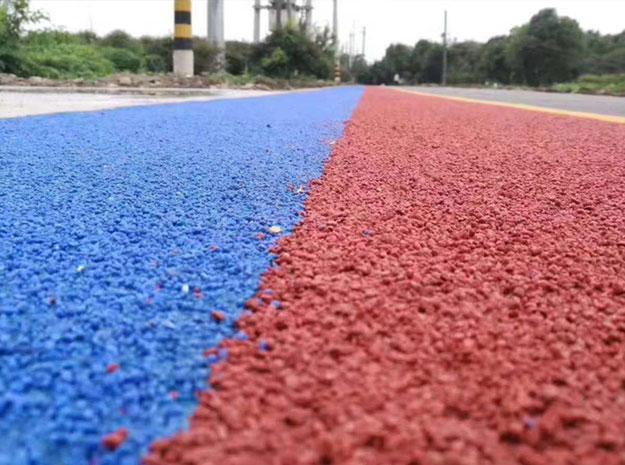
High friction surfacing is a thin, high-performance pavement system that increases surface texture and friction between vehicle tires and the road. It is typically applied over asphalt or concrete substrates using strong bonding resins and high-polish-resistant aggregates.
Common system types include:
Resin-based high friction surfacing (epoxy or MMA systems)
Colored high friction surfacing systems
Polymer-modified skid-resistant coatings
Micro-textured anti-skid overlays
These systems are designed to maintain long-term skid resistance even under heavy traffic loads.
Crosswalks are high-risk zones where vehicles and pedestrians interact frequently. High friction surfacing improves safety by reducing stopping distances and increasing driver control.
Key benefits include:
Shorter braking distance in emergency situations
Reduced risk of pedestrian collisions
Improved visibility when combined with colored surfacing
Better performance in rainy or slippery conditions
When applied at crosswalks, HFS helps alert drivers to slow down and enhances pedestrian protection.
Intersections are among the most accident-prone areas in any road network due to multiple traffic conflicts. High friction surfacing improves vehicle stability during turning movements and sudden stops.
Advantages include:
Increased tire grip during turning and braking
Reduced skidding in congested traffic conditions
Better control on wet or polished road surfaces
Lower accident rates at junctions and roundabouts
HFS is especially effective on high-speed approaches to intersections and urban junctions with heavy traffic flow.
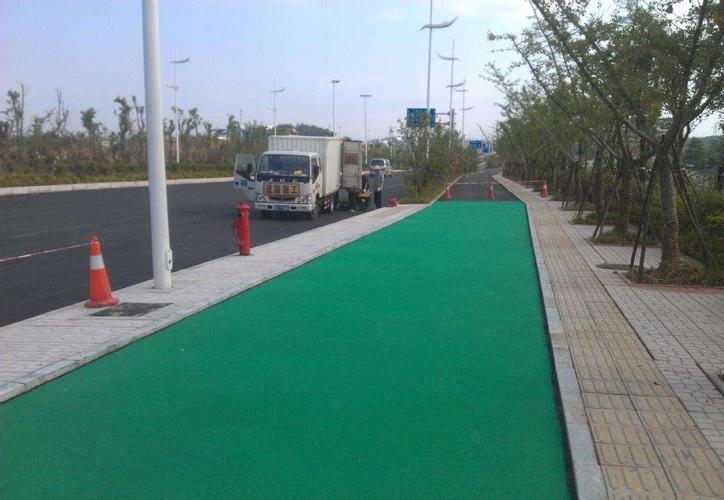
Bus lanes experience frequent heavy braking, acceleration, and turning movements, which can lead to surface polishing and reduced friction over time. High friction surfacing helps maintain safety and durability in these conditions.
Key benefits for bus lanes:
Strong resistance to surface wear from heavy vehicles
Improved braking stability for buses
Reduced risk of side-slip in transit corridors
Enhanced lane safety in wet weather conditions
In Bus Rapid Transit (BRT) systems, HFS plays a key role in maintaining reliable and safe operations.
Weather conditions such as rain, fog, and ice can greatly reduce road safety. High friction surfacing is engineered to maintain grip even in adverse environments.
Performance advantages include:
High wet-weather skid resistance
Reduced hydroplaning risk
Stable friction under temperature changes
Long-term texture durability
This makes HFS especially suitable for cities with frequent rainfall or variable climates.
High friction surfacing systems are designed for long service life with minimal maintenance requirements. Advanced resin binders and hard aggregates ensure strong bonding and wear resistance.
Durability benefits include:
Resistance to heavy traffic abrasion
Strong adhesion to asphalt and concrete
UV and weather resistance
Long-term surface texture retention
This reduces maintenance frequency and overall lifecycle costs for road authorities.
Modern HFS systems are designed for rapid application and curing, allowing roads to reopen quickly after installation.
Installation advantages:
Fast curing resin systems (MMA or epoxy)
Minimal road closure time
Suitable for night-time or off-peak construction
Quick return to traffic use
This is particularly important in busy urban environments where traffic disruption must be minimized.
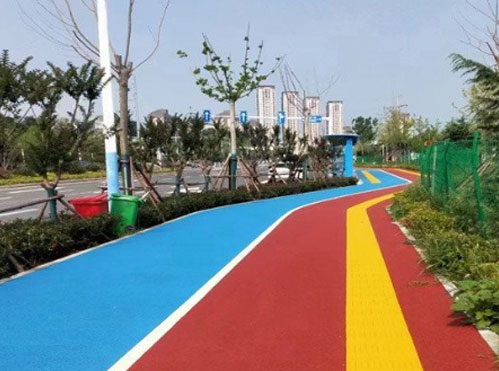
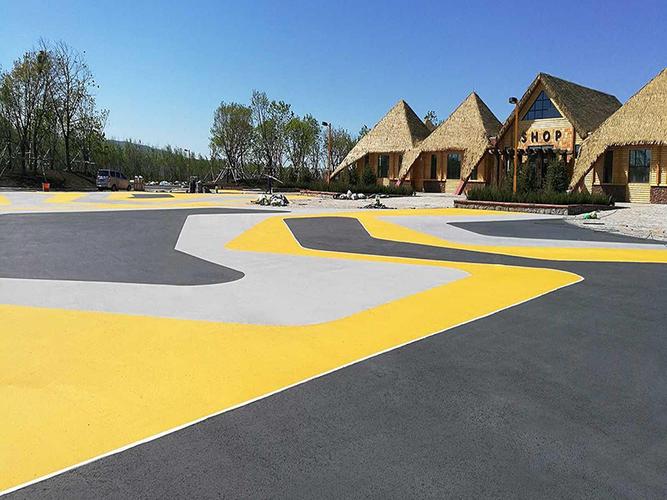
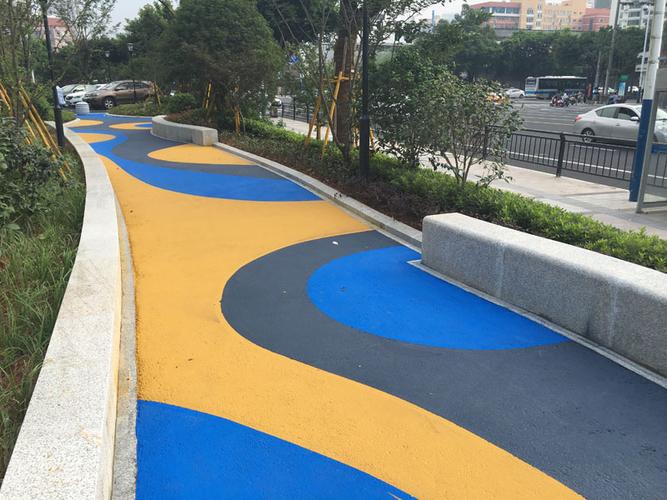
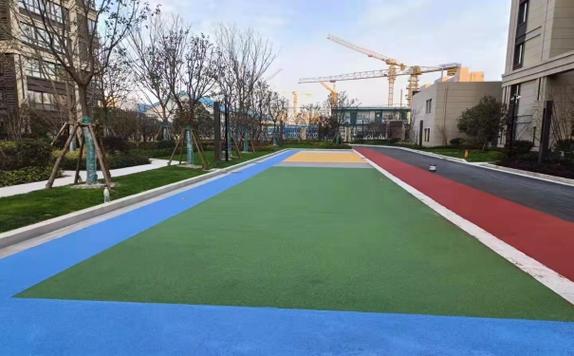
Many modern systems combine high friction performance with colored pavement technology. This dual-function approach improves both safety and visual communication.
Common color applications include:
Red bus lanes
Green bicycle lanes
Yellow warning zones
Bright crosswalk markings
This enhances traffic guidance while maintaining high safety performance.
High friction surfacing is widely used in various transportation environments, including:
Pedestrian crosswalks
Signalized and non-signalized intersections
Roundabouts and junctions
Bus lanes and BRT corridors
Highway ramps and exits
School zones and safety-critical areas
As urban safety standards continue to rise, high friction surfacing technology is evolving toward smarter and more sustainable solutions.
Future developments include:
Eco-friendly resin systems with lower emissions
Longer-lasting aggregate bonding technologies
Smart road surface monitoring systems
Improved color-stability and reflectivity
Advanced maintenance-free surfacing solutions
High friction surfacing is no longer just a safety enhancement—it has become a core requirement in modern road engineering, helping cities build safer, more efficient, and more resilient transportation networks.