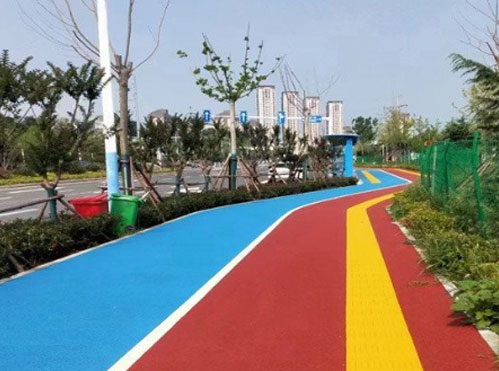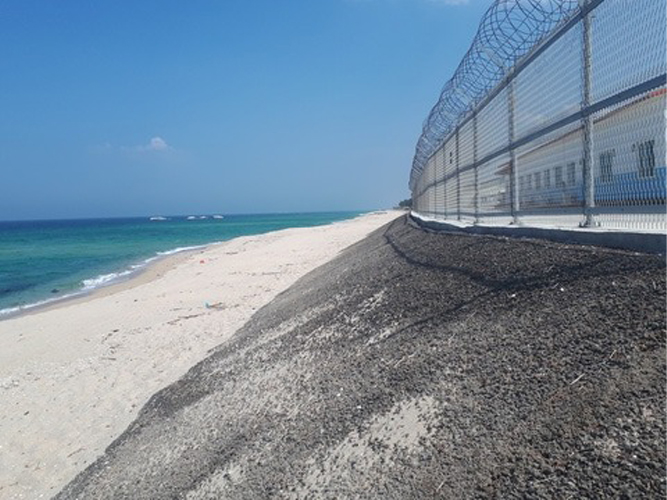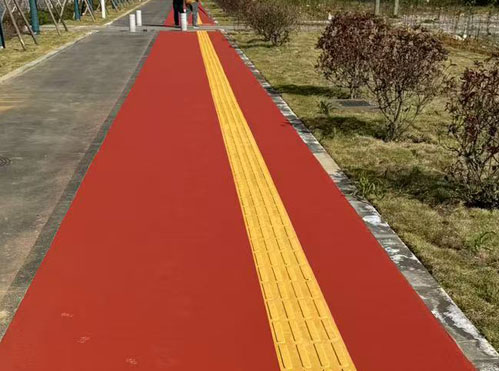
Wear-resistant ceramic particle pavement systems are high-performance surface treatments designed to improve skid resistance, durability, and safety in heavy traffic environments. They are widely used on highways, intersections, ramps, bridges, bus lanes, parking facilities, industrial zones, and pedestrian areas where long-term wear resistance and reliable traction are essential.
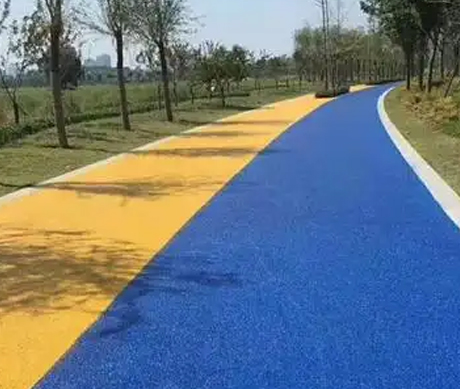
The core feature of this system is the use of high-strength ceramic particles as anti-skid aggregates. These ceramic materials are manufactured through high-temperature firing, resulting in extremely hard, sharp-edged particles. When embedded into resin-based binders such as MMA, epoxy, or polyurethane, they form a rough and durable surface texture that significantly increases friction between tires or footwear and the pavement.
One of the main advantages of ceramic particle pavement systems is excellent wear resistance. Unlike traditional sand or gravel aggregates, ceramic particles maintain their shape and sharp edges under continuous traffic loading. This ensures that the pavement retains strong skid resistance over a long service life, even in high-traffic or heavy-load conditions.
Safety performance is another key benefit. The high-friction surface reduces braking distance and improves vehicle control, especially in wet or slippery conditions. This makes it particularly effective for intersections, downhill ramps, curves, and areas prone to accidents. For pedestrians, the textured surface helps reduce slipping risks during rain or snow.
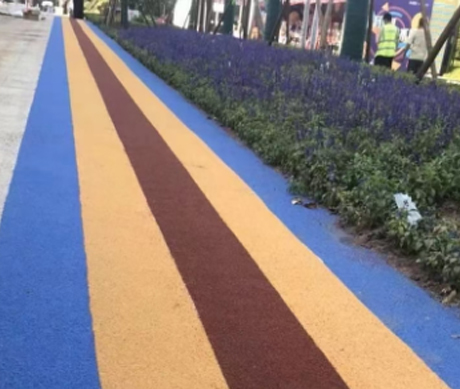
Ceramic particle pavements also support colored surface applications. The system can be combined with pigmented resin binders to produce red, green, yellow, or other customized colors. These colors enhance road visibility and help define traffic zones, improving overall traffic organization and safety awareness.
In addition, these systems offer fast installation and rapid curing. Once applied, the resin binder quickly hardens, allowing roads to reopen within a short time. This reduces traffic disruption and makes the technology suitable for urban maintenance and upgrade projects.
Modern ceramic particle pavement systems are also resistant to UV radiation, chemicals, and weathering, ensuring stable performance in outdoor environments. Their long service life reduces maintenance frequency and overall lifecycle costs.
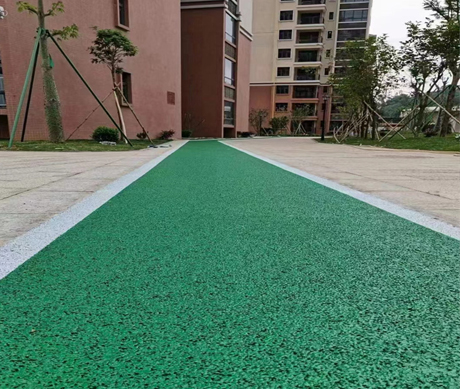
Overall, wear-resistant ceramic particle pavement systems provide a reliable combination of high friction, durability, and visual enhancement, making them an important solution for modern road safety and infrastructure improvement.