Colored asphalt pavement is a modern surfacing solution widely used in urban roads and bicycle lane construction. By combining durable asphalt materials with colored pigments or anti-skid aggregates, this pavement system improves traffic safety, road visibility, and urban aesthetics while maintaining excellent pavement performance.
As cities continue promoting sustainable transportation and smart infrastructure development, colored asphalt pavement has become an important part of modern urban traffic management.
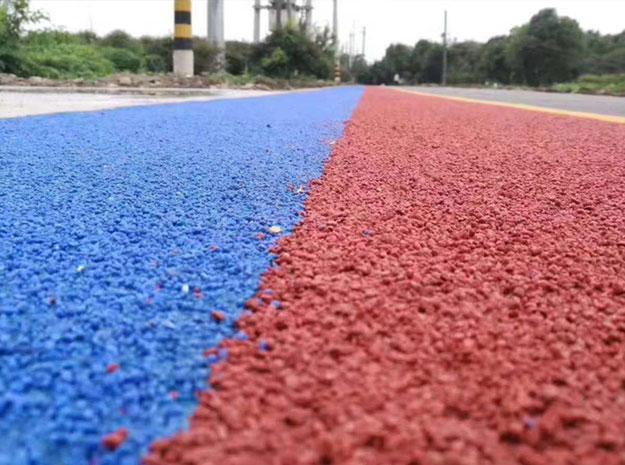
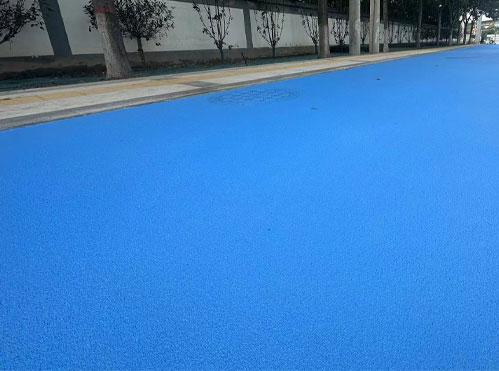
Colored asphalt pavement is produced by adding colored binders, pigments, or surface coatings to traditional asphalt mixtures. Unlike ordinary black asphalt, colored pavement creates visually distinct traffic zones that improve guidance and safety for drivers, cyclists, and pedestrians.
Common colors include:
Red
Green
Blue
Yellow
Gray
Different colors are used to identify specific traffic functions and urban design requirements.
One of the primary benefits of colored asphalt pavement is improved road safety. Bright pavement colors help clearly separate traffic areas and increase driver awareness.
Colored asphalt is widely used for:
Bicycle lanes
Bus lanes
Pedestrian crossings
School zones
Parking areas
Traffic calming zones
The strong visual contrast helps reduce traffic conflicts and improves overall road organization.
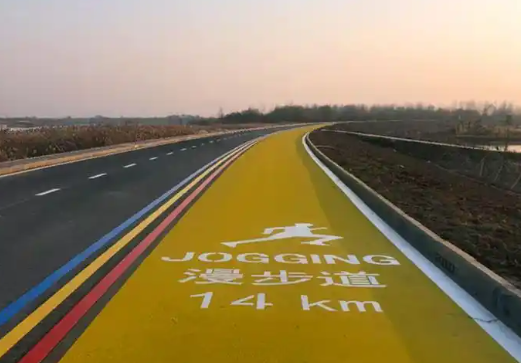
Many colored asphalt systems include anti-skid aggregates such as ceramic particles or calcined bauxite. These materials improve surface friction and vehicle traction.
High-friction colored asphalt helps:
Reduce braking distance
Prevent skidding
Improve wet-weather driving safety
Enhance cyclist stability
This makes it especially suitable for intersections, curves, ramps, and bicycle infrastructure.
Colored bicycle lanes create a clear visual boundary between cyclists and motor vehicles. Green or red bicycle lanes are commonly used in urban areas to improve cyclist recognition and reduce accident risks.
Colored asphalt bicycle lanes help:
Increase cyclist safety
Improve traffic guidance
Encourage bicycle transportation
Support sustainable urban mobility
This is particularly important in busy city centers and shared traffic environments.
Modern colored asphalt pavement systems are designed to withstand:
Heavy traffic loads
UV exposure
Rain and moisture
Temperature fluctuations
Surface abrasion
Advanced binders and pigments maintain long-term color stability and pavement performance with minimal fading.
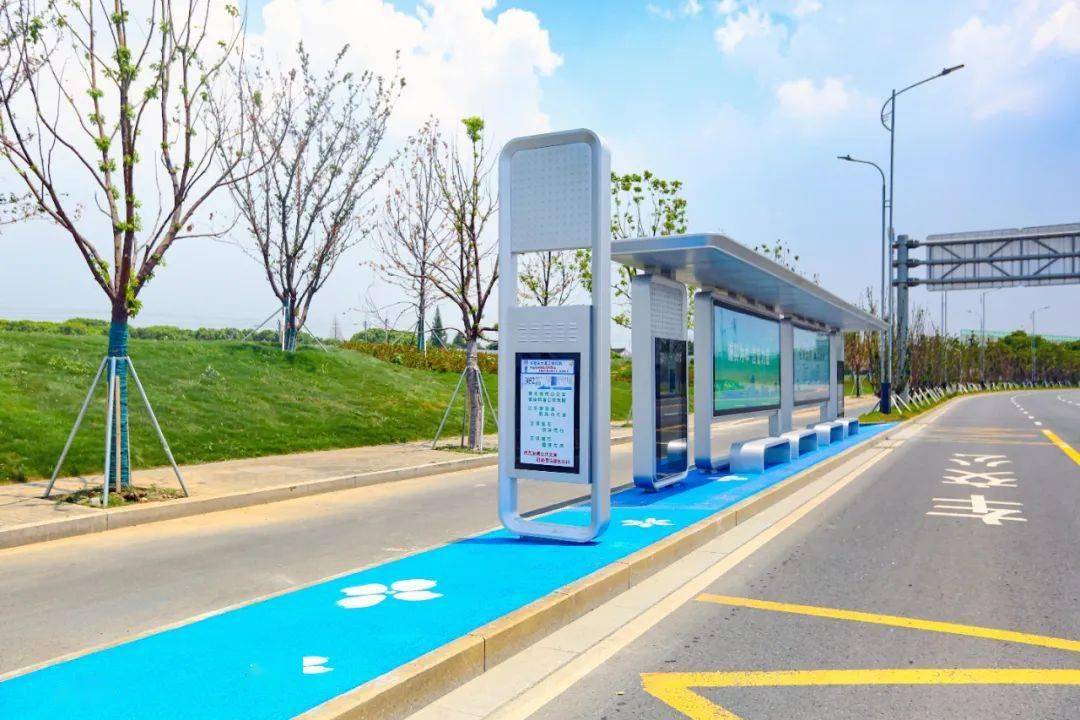
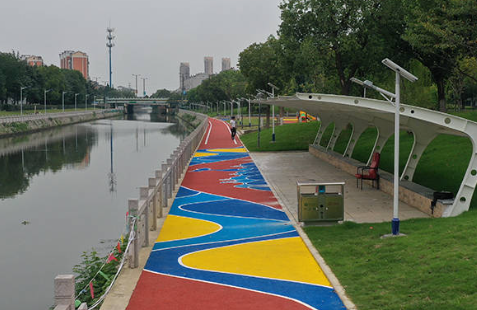
In addition to safety benefits, colored asphalt pavement enhances the visual appearance of urban spaces. Decorative pavement designs help create cleaner, more modern city environments.
Colored pavements are often used in:
Public plazas
Parks
Waterfront areas
Tourist attractions
Smart city projects
Customized pavement colors also contribute to city branding and landscape integration.
Colored asphalt pavement can often be installed quickly with minimal traffic disruption. Surface treatments and thin-layer systems reduce construction time and maintenance costs compared with full pavement reconstruction.
Benefits include:
Fast construction
Lower maintenance frequency
Long service life
Cost-effective urban upgrades
This makes colored asphalt an efficient solution for municipal infrastructure projects.
Colored asphalt pavement is widely used in:
Urban roads
Bicycle lanes
Pedestrian walkways
Bus rapid transit lanes
Intersections
Parking lots
School safety zones
Recreational paths
Bridge decks
Its versatility makes it suitable for both functional traffic management and decorative urban design.
Colored asphalt pavement offers a combination of safety, durability, anti-skid performance, and visual enhancement for modern urban roads and bicycle lanes. By improving traffic organization and creating safer transportation environments, colored pavement systems play a key role in sustainable city development.
As urban infrastructure continues evolving toward smarter and greener transportation solutions, colored asphalt pavement will remain an increasingly valuable technology for future road construction projects.