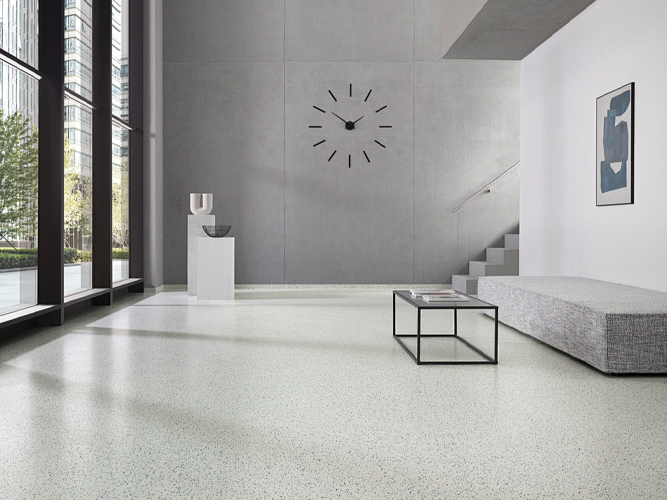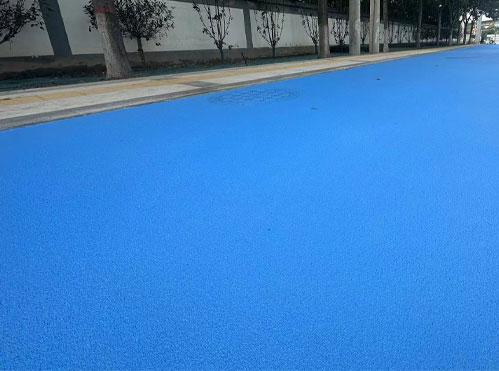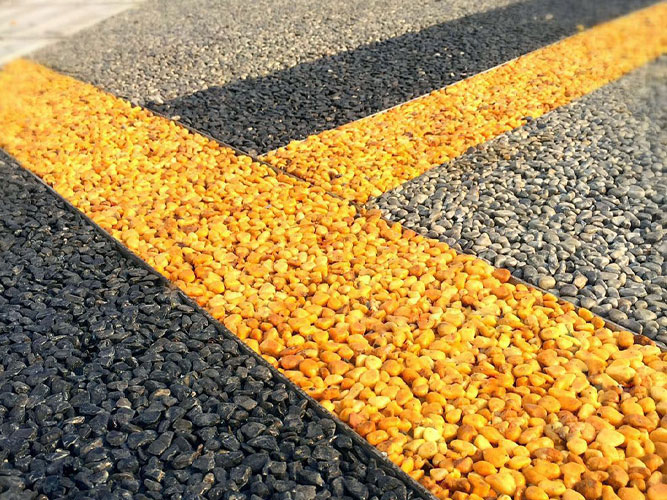
Colored anti-skid pavement coating is a specialized surface treatment system designed to improve pavement safety, durability, and appearance. It combines high-performance resin binders, colored pigments, and anti-skid aggregates to create a textured, wear-resistant surface with enhanced friction.
These coatings are widely applied to asphalt and concrete pavements in areas where vehicle control, pedestrian safety, and traffic guidance are essential. Common applications include bicycle lanes, pedestrian crossings, bus lanes, intersections, parking areas, school zones, and highway ramps.
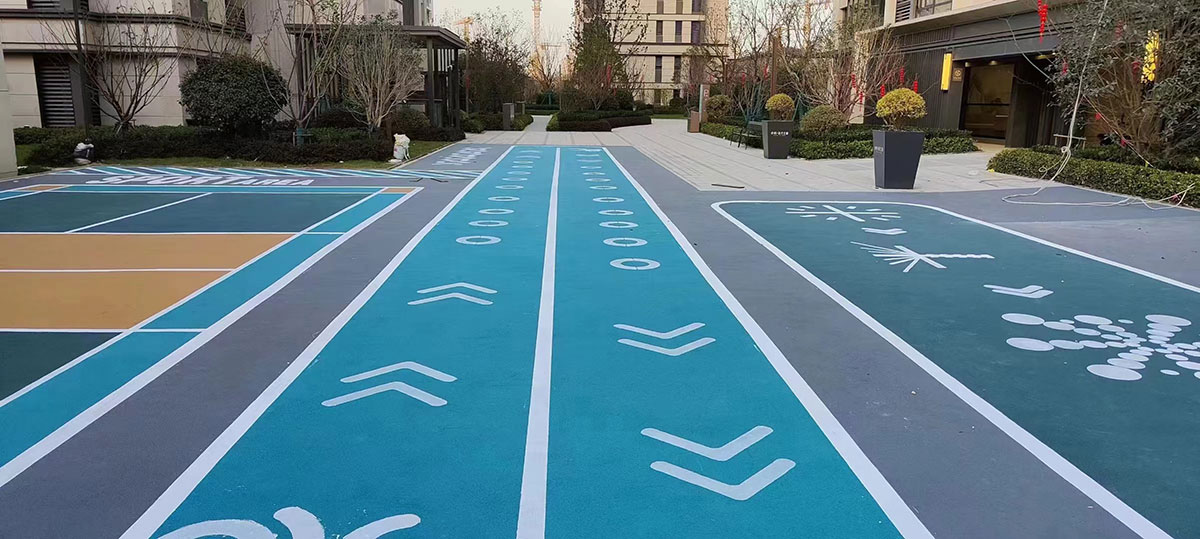
Colored anti-skid pavement coating is a thin-layer surfacing system that adds both color and skid resistance to existing pavement surfaces. The coating forms a rough textured layer that increases traction between tires or footwear and the road surface.
The system usually consists of:
Resin binder
Colored pigments
Anti-skid aggregates
Protective topcoat (optional)
The coating not only improves road safety but also enhances urban aesthetics and traffic organization.
The binder acts as the adhesive layer that bonds the aggregates to the pavement surface. Common resin types include:
MMA (Methyl Methacrylate)
Epoxy resin
Polyurethane
Acrylic resin
Water-based polymer resin
Different binders are selected based on traffic conditions, climate, and project requirements.
Pigments provide vibrant and long-lasting colors for traffic management and decorative purposes. Common colors include:
Red
Green
Blue
Yellow
Gray
Color coding helps separate traffic zones and improves road visibility.
Hard mineral or ceramic particles create the textured anti-slip surface. Common aggregate materials include:
Colored ceramic aggregates
Quartz sand
Bauxite
Silica particles
These materials increase friction and improve braking performance.
Some systems include a transparent protective layer to improve:
UV resistance
Waterproof performance
Wear resistance
Color retention
The coating works by creating a rough, high-friction surface that improves traction between the pavement and tires or footwear.
The resin binder is applied to the prepared pavement surface, forming a strong adhesive layer.
Anti-skid aggregates are broadcast onto the wet resin layer. The aggregates partially embed into the coating and create a textured surface.
As the resin cures, the aggregates become firmly bonded to the pavement, forming a durable anti-slip layer.
The rough aggregate texture increases surface friction, helping:
Reduce braking distance
Improve vehicle control
Prevent slipping
Enhance pedestrian safety
This is especially important during rainy or wet weather conditions.
Enhanced skid resistance reduces accident risks for vehicles, bicycles, and pedestrians.
Bright colors improve road visibility and urban aesthetics.
High-performance resins and aggregates provide excellent wear resistance and durability.
The coating withstands UV exposure, rain, temperature changes, and heavy traffic conditions.
Many systems offer rapid curing and quick reopening to traffic.
Durable materials reduce repair frequency and long-term maintenance costs.
Colored anti-skid pavement coatings are commonly used in:
Bicycle lanes
Bus lanes
Pedestrian crossings
School zones
Parking lots
Highway ramps
Tunnels
Bridge decks
Residential communities
Public plazas
| Feature | Colored Anti-Skid Coating | Traditional Pavement |
|---|---|---|
| Skid Resistance | Excellent | Standard |
| Color Visibility | High | Low |
| Decorative Effect | Strong | Limited |
| Traffic Safety | Improved | Normal |
| Weather Resistance | Excellent | Moderate |
| Maintenance Needs | Lower | Higher |
Colored anti-skid pavement coating is an advanced surfacing technology that improves pavement safety, durability, and visual appearance. By combining resin binders with high-friction aggregates and durable pigments, the system creates a textured, skid-resistant surface suitable for a wide range of transportation and public infrastructure projects.
Its excellent safety performance, decorative flexibility, and long-term durability make it an ideal solution for modern urban roads and traffic management systems.