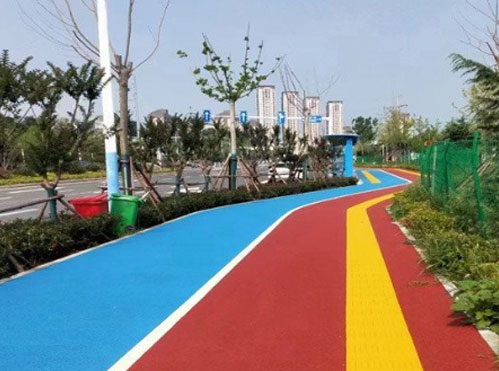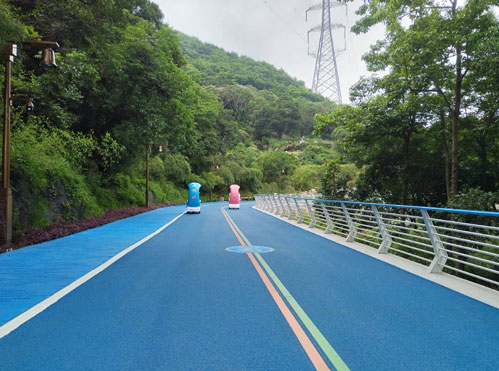
Colored coatings are an effective solution for improving road safety, traffic organization, and urban aesthetics. By combining high-visibility pigments with durable, anti-slip materials, these coatings help drivers, cyclists, and pedestrians navigate roads more safely while clearly identifying critical traffic zones.
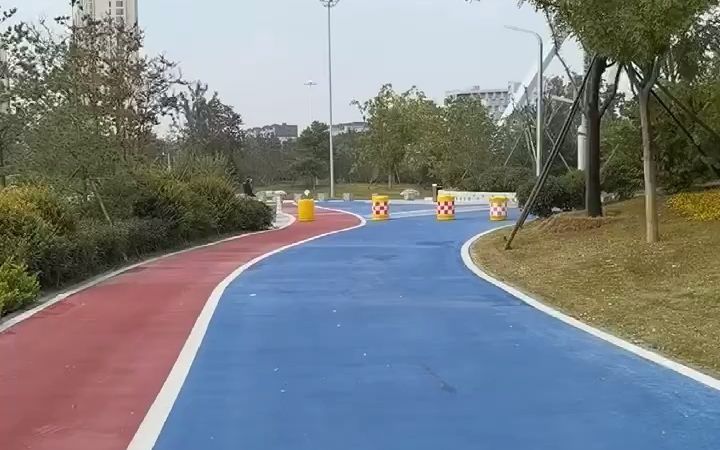
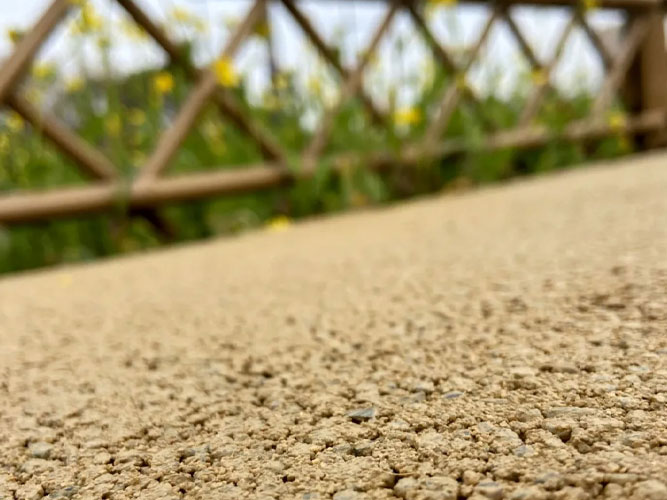
The primary safety benefit of colored road coatings is improved traction. Many coatings incorporate anti-skid aggregates such as ceramic particles, quartz sand, or calcined bauxite, which create a textured surface. This increases friction between tires and the pavement, reducing the risk of skidding, especially on wet or slippery roads. Colored coatings are particularly effective in high-risk areas such as sharp curves, intersections, pedestrian crossings, and steep slopes.
Bright colors like red, green, blue, and yellow enhance visual communication on the road. Colored lanes and markings help separate traffic flows, highlight pedestrian zones, and draw attention to hazardous areas. This visual guidance allows drivers to respond faster, reducing confusion and minimizing accident risks.
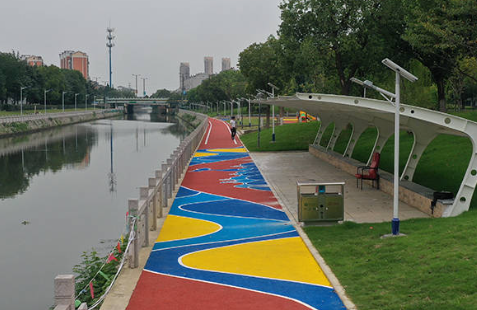
Modern colored coatings are designed to withstand heavy traffic, UV exposure, temperature fluctuations, and environmental wear. Resin-based systems, including MMA, epoxy, and polyurethane, provide strong adhesion and long-lasting performance, ensuring that safety benefits are maintained over time with minimal maintenance.
Bicycle lanes and pedestrian paths
School zones and public squares
Bus lanes and intersections
Bridges, tunnels, and high-risk traffic areas
Parking lots and commercial roadways
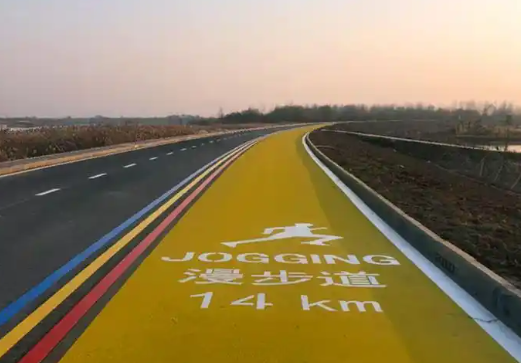
Colored road coatings combine safety, visibility, and durability to create safer roads for all users. By enhancing traction, highlighting critical areas, and improving traffic organization, these coatings reduce accidents and support more efficient urban mobility. They are an essential tool for modern transportation infrastructure focused on safety, sustainability, and functionality.