Road performance and safety are essential factors in modern transportation infrastructure. As traffic volumes increase and road conditions become more complex, traditional pavement surfaces may not always provide sufficient friction and durability. Road anti-skid materials offer an advanced solution by improving surface grip, enhancing skid resistance, and creating safer driving environments for vehicles and pedestrians.
The primary function of road anti-skid materials is to increase pavement friction between tires and the road surface. A high-friction pavement layer improves vehicle control during braking, acceleration, and cornering, especially in challenging conditions such as rain, sharp turns, and emergency situations.
By creating a rough and durable surface texture, anti-skid materials help reduce the risk of vehicle slipping and improve overall road safety. This makes them especially valuable in areas where road friction is critical, including:
Intersections and roundabouts
Highway curves and slopes
Pedestrian crossings
Bridge decks
Bus lanes and bicycle paths
Airport service roads
Industrial traffic zones
Roads in urban and industrial environments experience continuous stress from vehicles, temperature changes, and weather exposure. High-performance anti-skid materials are designed to maintain their functionality under demanding conditions.
Advanced formulations provide:
Strong adhesion to asphalt and concrete surfaces
Excellent wear resistance
Long-term skid performance
Resistance to UV radiation and moisture
Reduced pavement maintenance needs
These properties help extend pavement service life and reduce the frequency of repairs.
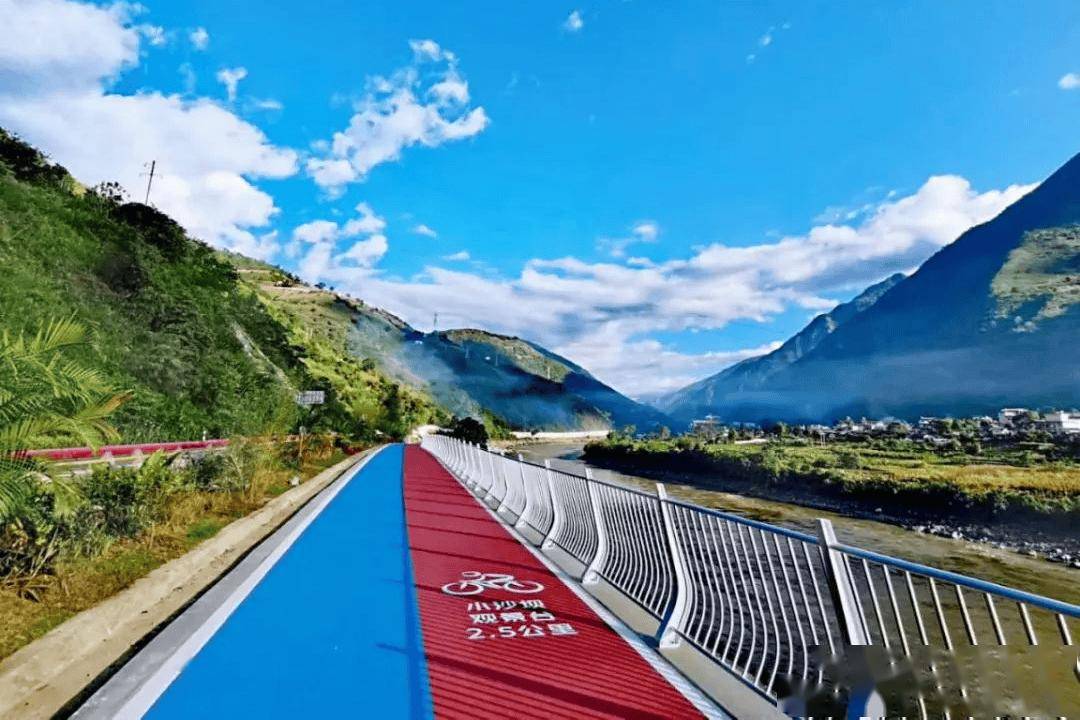
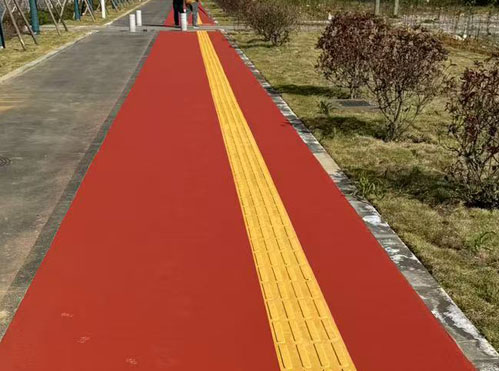
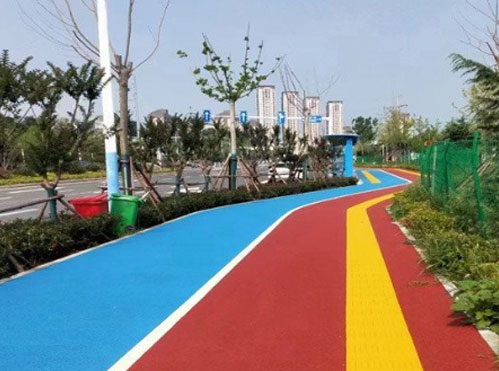
Modern infrastructure projects increasingly use colored anti-skid surfacing to combine safety improvement with visual traffic guidance. Color-coded pavement areas allow road users to quickly identify special traffic zones and improve awareness.
Typical applications include:
Red bicycle lanes for cyclist protection
Colored pedestrian crossings for visibility
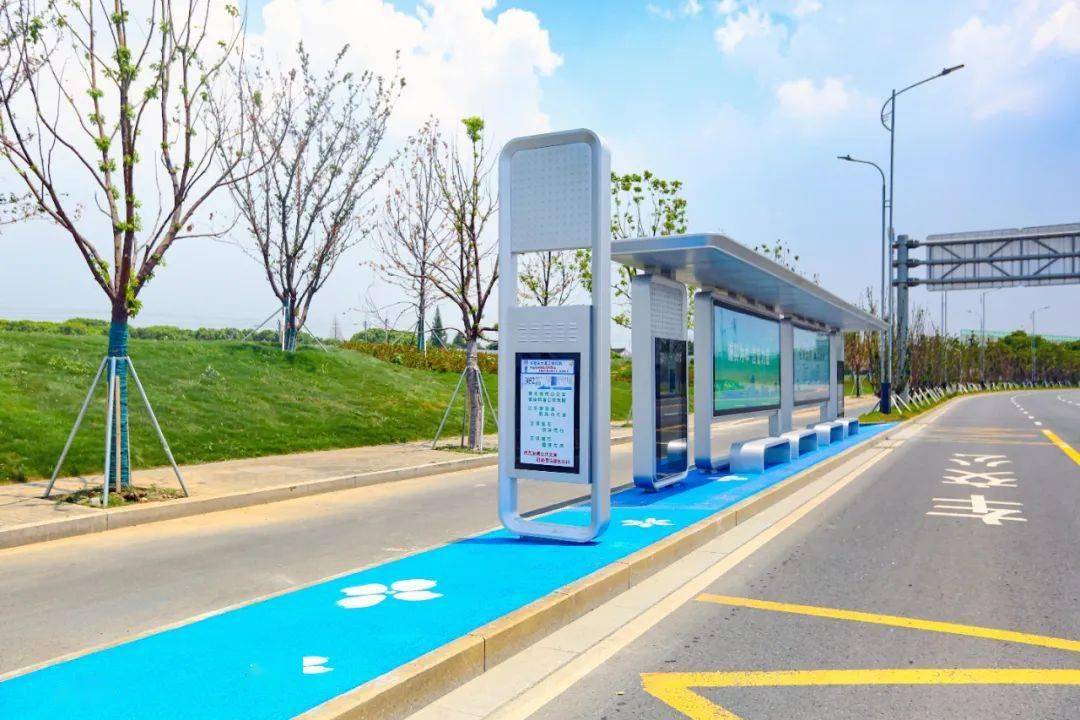
Bus lanes for public transportation priority
School zones for traffic calming
Urban landscape pathways and public spaces
The combination of high friction and visual recognition creates a safer and more organized road environment.
Road anti-skid materials contribute to sustainable transportation by improving existing pavement performance without requiring complete road reconstruction. Surface enhancement solutions can help infrastructure owners maximize the value of current road networks while reducing long-term maintenance costs.
For municipalities and contractors, choosing durable anti-skid surfacing systems supports safer roads, improved mobility, and more efficient infrastructure management.
Road anti-skid materials are widely used in various infrastructure projects, including:
Municipal road upgrades
Highway safety improvement projects
Commercial parking areas
Logistics and warehouse zones
Bicycle and pedestrian networks
Airport pavement safety applications
Their versatility makes them suitable for both large-scale transportation projects and local road improvement programs.
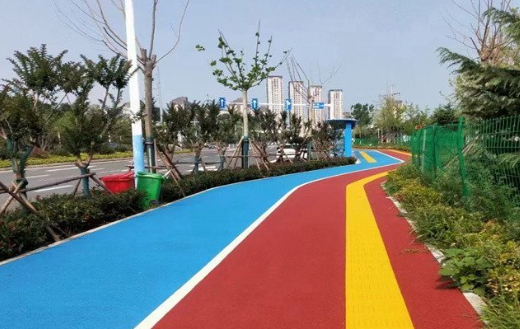
As cities continue to develop smarter and safer transportation networks, road anti-skid materials will remain an important technology for improving pavement performance. By increasing surface friction, enhancing vehicle control, and providing durable protection, these materials help create safer roads for drivers, cyclists, and pedestrians worldwide.