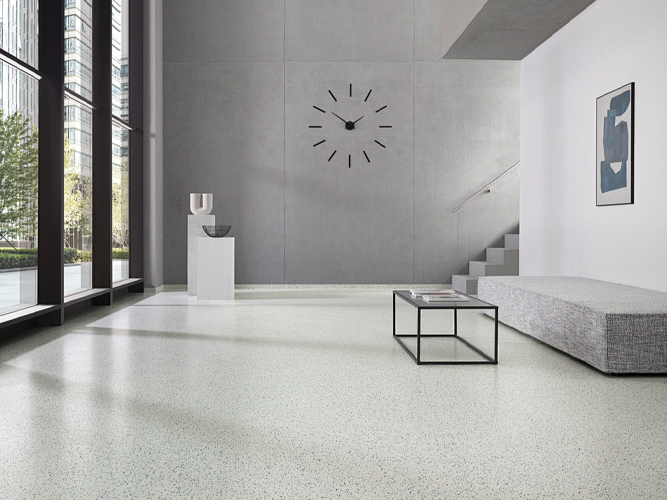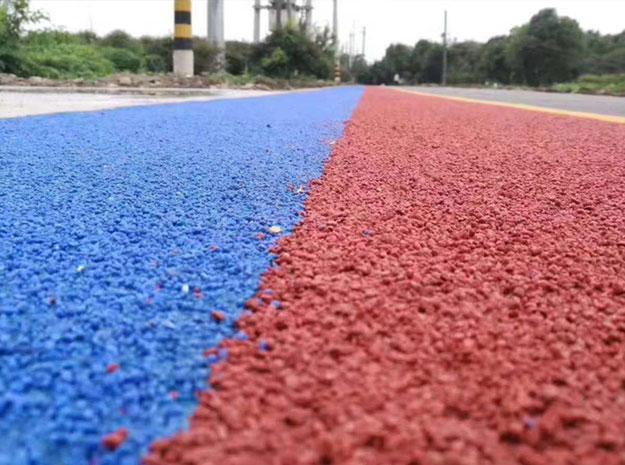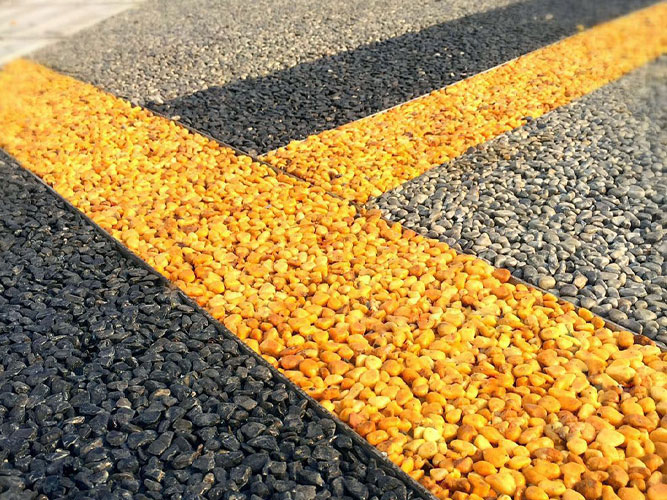
High-performance colored anti-slip pavement systems are advanced road surfacing solutions designed to combine safety, durability, and aesthetics in urban and highway environments. These systems use a combination of high-quality resin binders, anti-skid aggregates, and color pigments to provide a surface that enhances friction, improves visibility, and withstands heavy traffic and extreme weather conditions.
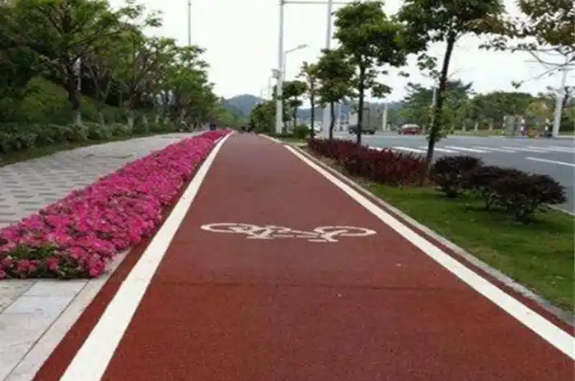
The core of a high-performance colored anti-slip pavement system is its resin-based binder, often using MMA, epoxy, or waterborne formulations. This binder securely adheres to asphalt or concrete substrates, providing long-term stability. Anti-skid aggregates such as ceramic particles, quartz sand, or calcined bauxite are embedded into the resin layer to create a textured surface that increases friction between tires or shoes and the pavement. Bright pigments are added to create colored surfaces that guide traffic, delineate lanes, and improve the visibility of pedestrian areas.
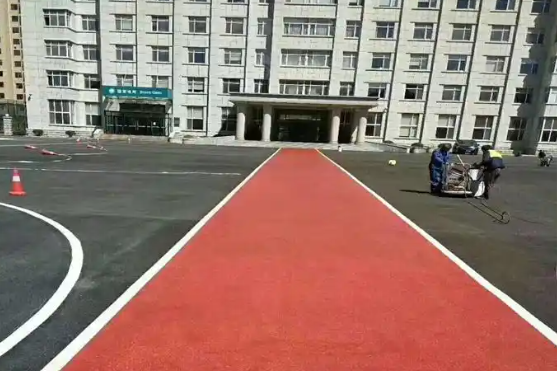
Superior Anti-Slip Performance: The textured surface ensures excellent skid resistance, even in wet or icy conditions, reducing accidents.
Durability: Resistant to abrasion, UV radiation, water, and chemicals, the surface maintains functionality under heavy traffic.
High Visibility: Bold colors enhance traffic guidance, highlight hazardous areas, and improve safety for both vehicles and pedestrians.
Fast Curing: Many modern systems cure quickly, allowing minimal disruption to traffic and pedestrian flow.
Environmental Benefits: Water-based and low-VOC options reduce environmental impact while supporting sustainable infrastructure development.
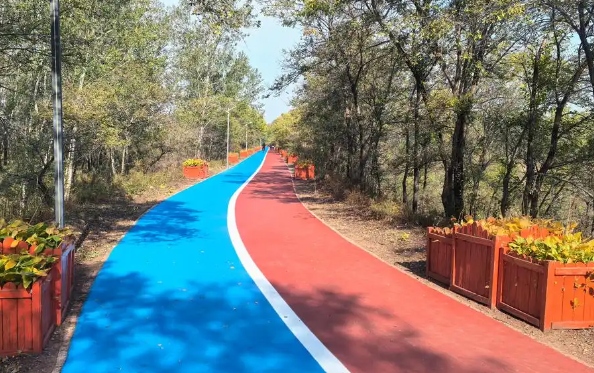
Urban streets, intersections, and roundabouts
Bicycle lanes and pedestrian walkways
School zones, bus lanes, and public transport areas
Steep slopes, bridges, tunnels, and high-risk traffic zones
Industrial and commercial facilities requiring safe, durable pavements
High-performance colored anti-slip pavement systems not only enhance safety but also extend pavement life, reduce maintenance costs, and elevate the aesthetic appeal of urban infrastructure. By combining functionality with design, these systems play a crucial role in modern transportation engineering, contributing to safer, more efficient, and visually organized road networks.