Water-based EAU colored anti-slip pavement is an eco-friendly and high-performance road surfacing system designed to improve traffic safety, increase surface friction, and enhance urban visual guidance. It uses a water-based binder system combined with colored aggregates and anti-skid materials to create a durable, slip-resistant pavement layer suitable for modern transportation infrastructure.
This technology is widely applied in bicycle lanes, pedestrian crossings, bus lanes, ramps, intersections, and public spaces where both safety and environmental performance are important.
Water-based EAU colored anti-slip pavement is a surface treatment system that uses water-emulsified resin (EAU-type binder), pigments, and high-friction aggregates to form a protective and functional pavement layer.
Unlike solvent-based or hot-mix systems, water-based technology significantly reduces volatile organic compound (VOC) emissions, making it more environmentally friendly and suitable for urban applications.
The system typically consists of:
Water-based resin binder (EAU system)
Colored pigments for visibility
High-friction aggregates or quartz/ceramic particles
Mineral fillers and additives for durability
Water-based EAU colored anti-slip pavement works by forming a strong bonding layer between the pavement surface and anti-skid aggregates. Once applied, water evaporation and chemical curing allow the binder to harden and lock the aggregates into place.
This creates a textured surface that:
Increases tire-road friction
Reduces skidding risk in wet or slippery conditions
Enhances road visibility through color differentiation
Protects the underlying pavement from wear and water damage
The combination of texture and color improves both safety and traffic organization.
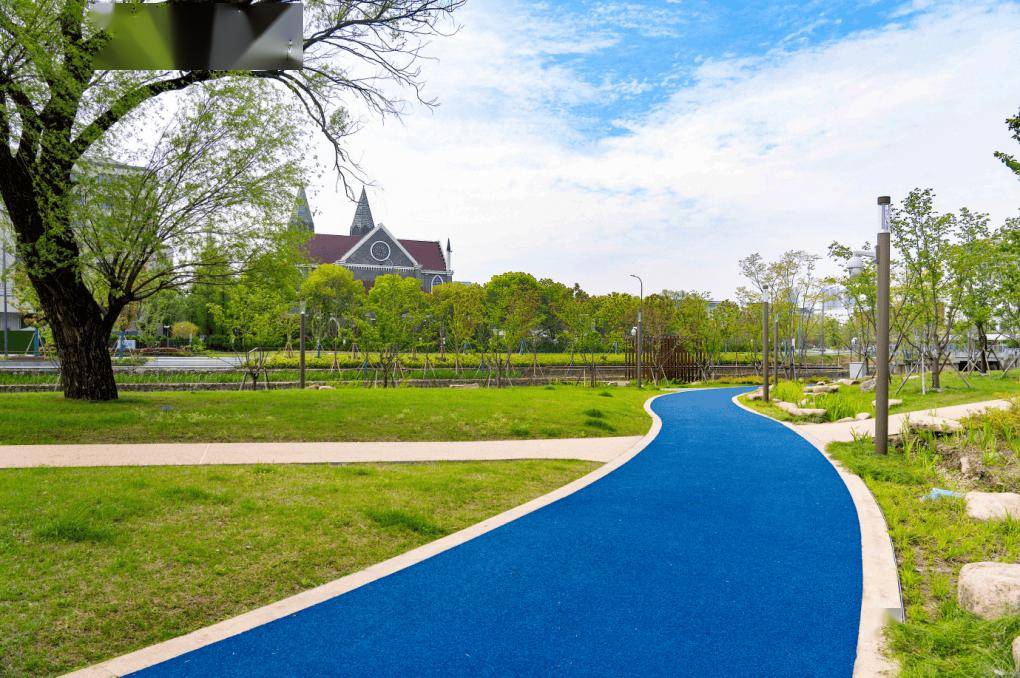
Because it is water-based, the system produces low emissions and reduces environmental impact during construction. It is suitable for green infrastructure and sustainable city projects.
The embedded aggregates create a rough surface texture that significantly improves grip, especially in rainy conditions, curves, and braking zones.
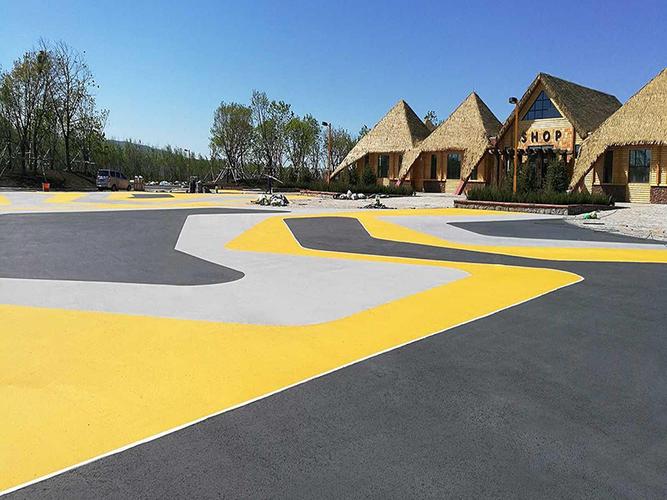
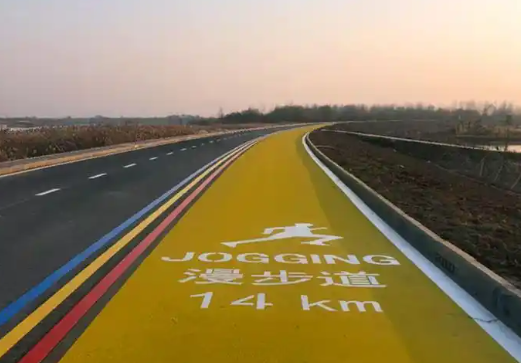
Bright colors such as red, green, and yellow are used to clearly distinguish traffic lanes and functional zones, improving driver and pedestrian awareness.
The cured surface provides resistance to UV exposure, temperature changes, water penetration, and light chemical corrosion.
The system can be applied quickly with minimal traffic disruption, and maintenance is relatively simple compared to traditional pavement reconstruction.
Water-based EAU colored anti-slip pavement is commonly used in:
Bicycle lanes
Pedestrian crossings
Bus priority lanes
Urban intersections
School zones and safety areas
Parking ramps and garage entrances
Parks and recreational pathways
City streets and decorative roads
These applications help improve both road safety and urban visual management.
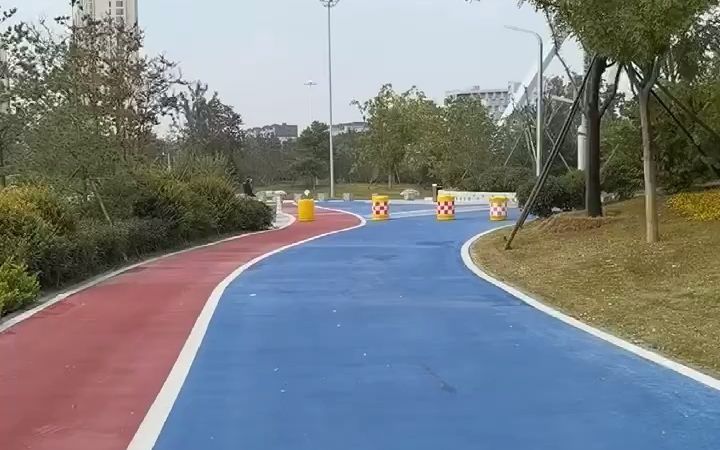
Compared with conventional asphalt coatings or solvent-based resin systems, water-based EAU colored anti-slip pavement offers:
Lower environmental impact
Reduced construction emissions
Improved safety performance
Better urban compatibility
Cost-effective maintenance
Strong visual guidance effect
These advantages make it a preferred solution for modern sustainable road construction.
With increasing global demand for green infrastructure and low-carbon construction, water-based EAU colored anti-slip pavement is expected to develop further in material performance, durability, and color stability.
Future improvements will likely focus on stronger binders, longer service life, and enhanced anti-slip technology, making it an important part of next-generation smart and sustainable urban transportation systems.