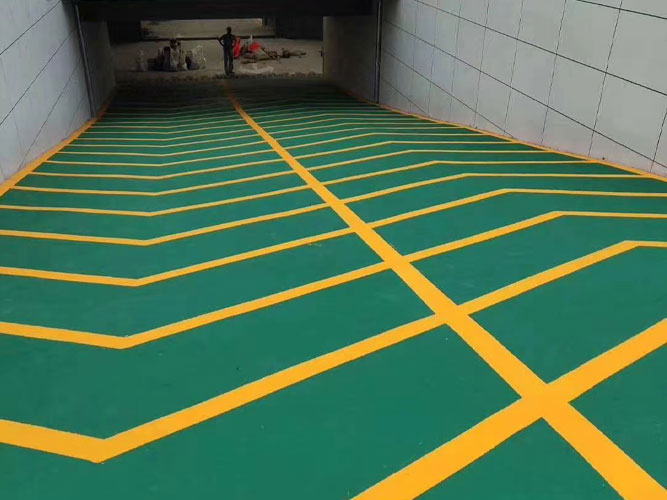
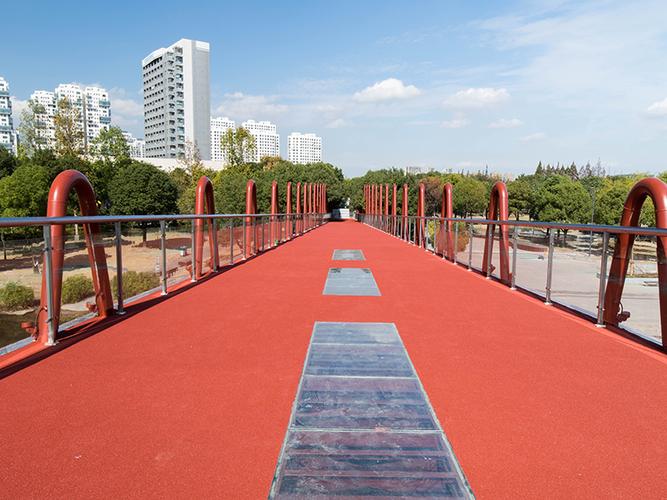
Colored pavement has become an important element in modern transportation engineering, offering both functional safety improvements and enhanced visual communication. By combining high-friction surface technology with color-coded design, it supports safer, more organized, and more efficient transportation systems in urban and highway environments.
Colored pavement refers to specialized road surfacing systems that incorporate pigments and anti-skid aggregates into asphalt or concrete layers. These systems are engineered to improve both performance and visual clarity in transportation infrastructure.
Key characteristics include:
High skid resistance
Strong visual differentiation
Durable surface performance
Compatibility with various road structures
In transportation engineering, colored pavement is used to improve how roads function and how users interact with them.
It supports:
Clear separation of traffic functions
Improved road user guidance
Enhanced safety in complex traffic environments
Better integration with urban mobility systems
These functions make it an essential tool in modern road design.
Colored pavement is widely applied in cities to improve traffic organization and safety.
Colored surfaces help clearly define cycling spaces, reducing conflicts with motor vehicles and improving rider safety.
High-visibility pavement enhances driver awareness and improves pedestrian protection in busy urban areas.
Color coding helps separate public transport lanes, improving traffic efficiency and priority management.
In highway systems, colored pavement is used to improve safety in critical zones.
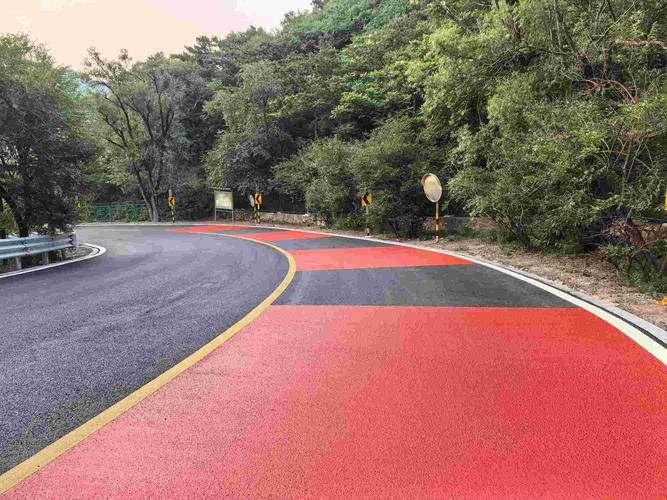
It enhances driver recognition of merging and diverging lanes, reducing collision risks.
Color and texture improve visibility and traction in acceleration and deceleration areas.
Colored markings help organize traffic flow and reduce congestion.
Colored pavement contributes significantly to road safety through multiple mechanisms.
High-friction aggregates increase surface grip, reducing accident risks in wet or high-speed conditions.
Color-coded surfaces provide intuitive guidance for drivers and pedestrians.
Clear separation of road functions minimizes lane misuse and improves overall traffic discipline.
Colored pavement is increasingly integrated into smart mobility systems and urban planning strategies.
It supports:
Multimodal transportation networks
Intelligent traffic management systems
Safer environments for autonomous and connected vehicles
Data-driven urban infrastructure planning
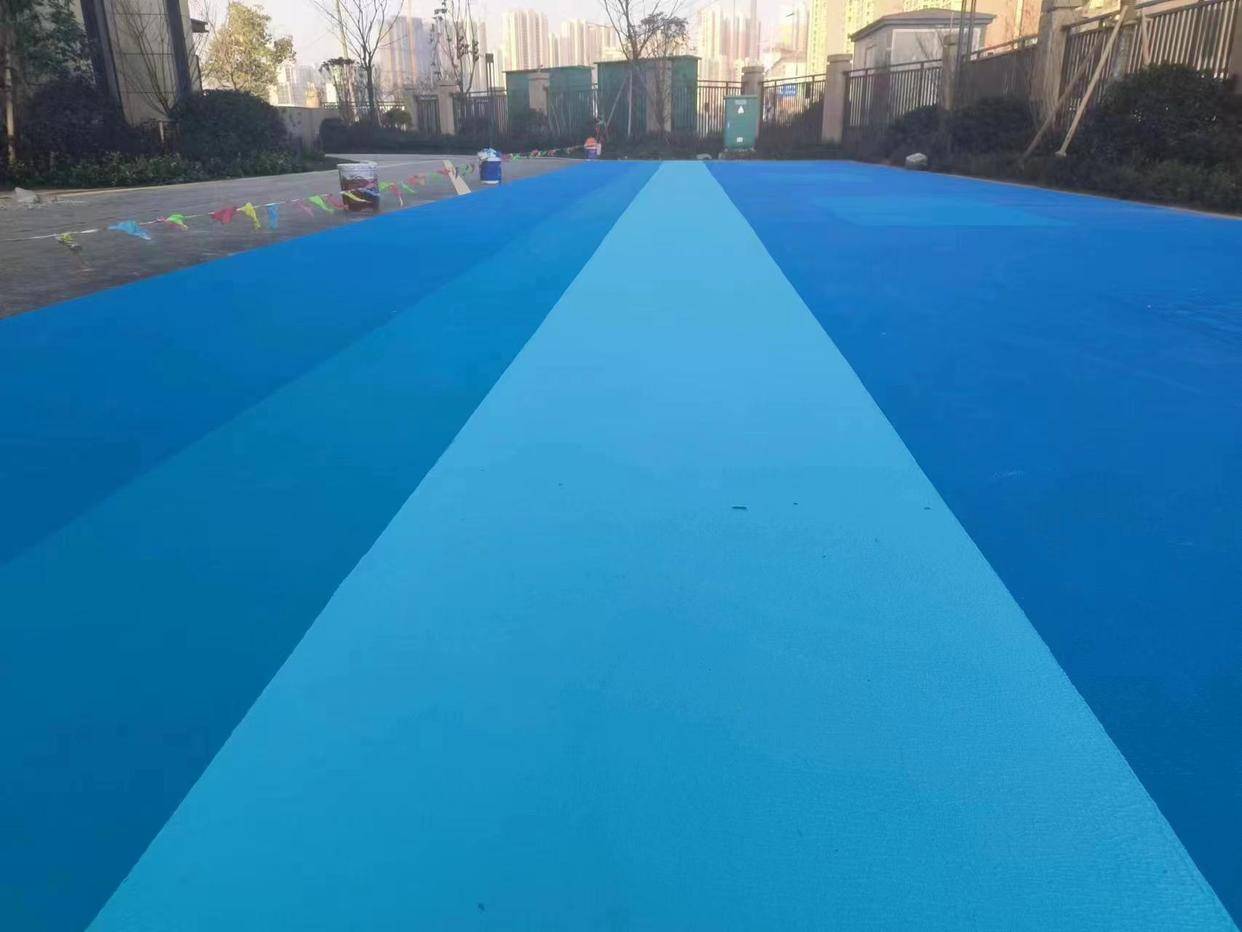
Modern colored pavement systems are designed for long-term engineering performance.
They offer:
High resistance to traffic wear and deformation
Strong bonding with asphalt and concrete substrates
UV stability and color retention
Low maintenance requirements
These properties make them suitable for large-scale infrastructure deployment.
Colored pavement plays a vital role in modern transportation engineering by improving safety, visibility, and traffic organization. Its ability to combine functional performance with visual communication makes it an essential solution for urban roads, highways, and smart city infrastructure development.