Colored pavement has become an essential part of modern urban road systems because it combines traffic safety, visual communication, and surface performance in a single solution. As cities grow more complex, traditional asphalt markings alone are often not enough to ensure efficient and safe traffic flow.
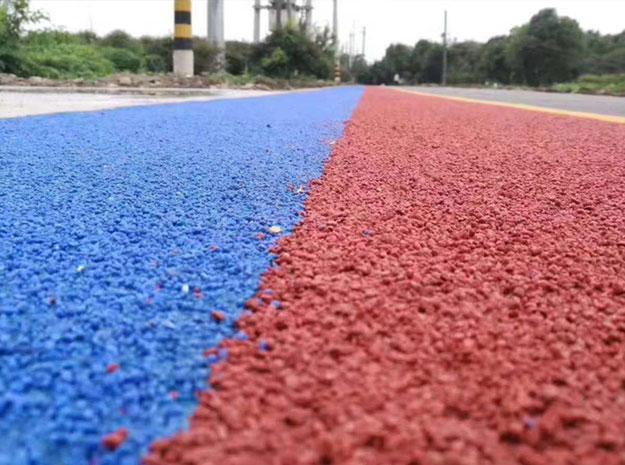
Many colored pavement systems are designed as high-friction surfaces.
Increases tire grip in wet or slippery conditions
Reduces skidding at intersections, ramps, and curves
Improves braking stability in emergency situations
This helps lower accident rates in high-risk urban areas.
Color provides instant, intuitive communication for all road users.
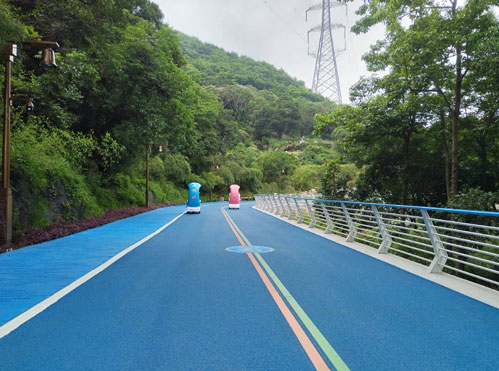
Clearly defines bus lanes, bike lanes, and pedestrian zones
Highlights danger zones and conflict areas
Helps drivers make faster and more accurate decisions
Unlike signs or text markings, color is recognized instantly without distraction.
Modern cities have dense and overlapping traffic flows. Colored pavement helps structure them more clearly.
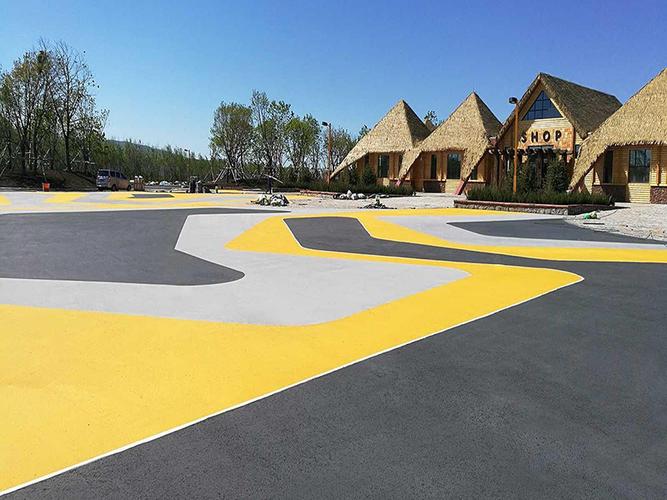
Separates different road functions visually
Reduces confusion at intersections and multi-lane roads
Improves traffic discipline and lane usage
This leads to smoother and more predictable traffic movement.
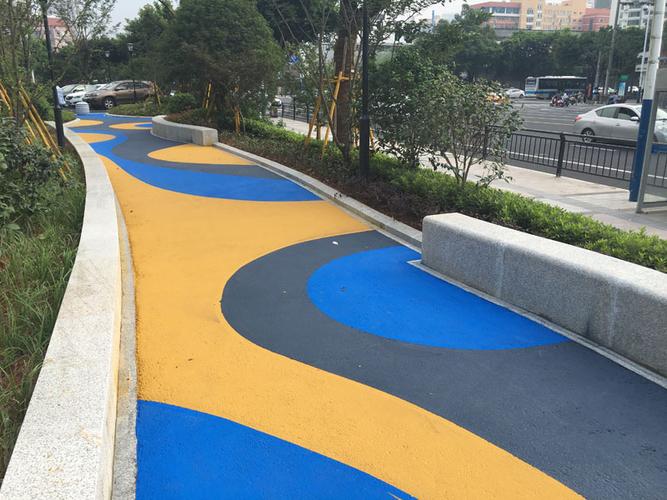
Vulnerable road users benefit greatly from colored pavement systems.
Increases visibility of crosswalks and bike lanes
Enhances safety in school zones and shared spaces
Reduces vehicle intrusion into pedestrian areas
This supports more walkable and bike-friendly cities.
Colored surfaces improve contrast compared to standard asphalt.
Easier to identify road zones at night
Better visibility in rain, fog, or low-light conditions
Works effectively with street lighting and headlights
This reduces weather-related accidents.
Colored pavement is widely used in smart urban planning.
Integrates with traffic calming strategies
Supports sustainable and people-oriented road design
Enhances the visual identity of cities
It helps cities become more organized and human-centered.
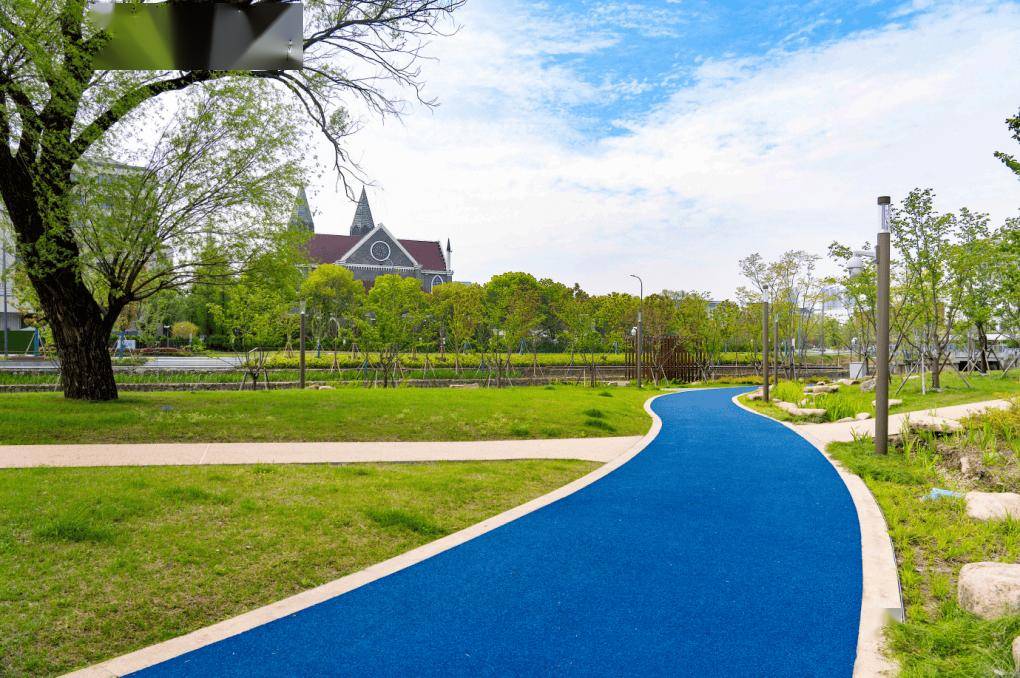
Modern colored pavement systems are built for heavy urban use.
Resistant to UV fading and weather damage
Maintains skid resistance over time
Suitable for high-traffic environments
This reduces long-term maintenance needs.
Colored pavement is essential for modern urban roads because it improves safety, visibility, organization, and durability all at once. By combining functional performance with visual guidance, it helps cities manage increasingly complex traffic systems while creating safer and more efficient road environments for everyone.