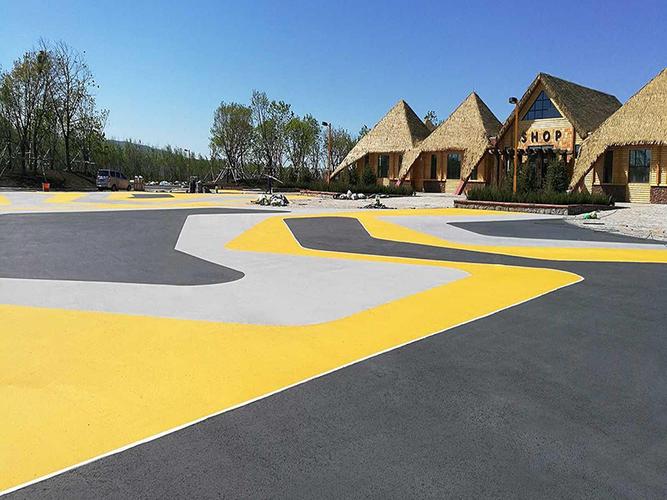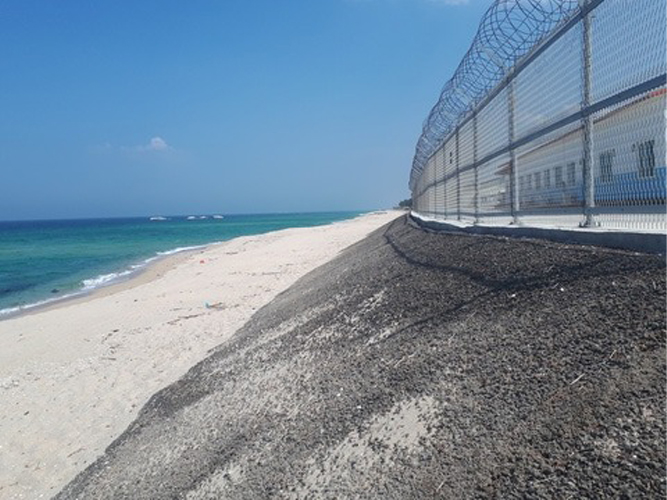

Colored pavement has become an important feature in modern road design, offering both visual enhancement and functional safety improvements. By increasing road visibility and improving surface performance, it helps reduce accidents and supports more efficient traffic management in urban and highway environments.
Colored pavement refers to road surface systems that incorporate pigments and high-friction aggregates into asphalt or concrete layers. These systems are designed not only for aesthetic purposes but also to improve road function and safety.
Unlike traditional gray road surfaces, colored pavement provides:
Strong visual differentiation of traffic zones
Enhanced surface friction
Improved driver and pedestrian awareness
Better organization of road space
One of the primary advantages of colored pavement is its ability to improve visibility in complex traffic environments.
Different colors help distinguish specific road functions, such as bicycle lanes, bus lanes, pedestrian crossings, and hazard zones. This reduces confusion for drivers and improves lane discipline.
Colored surfaces improve contrast under artificial lighting, making road markings easier to see at night or in low-light conditions.
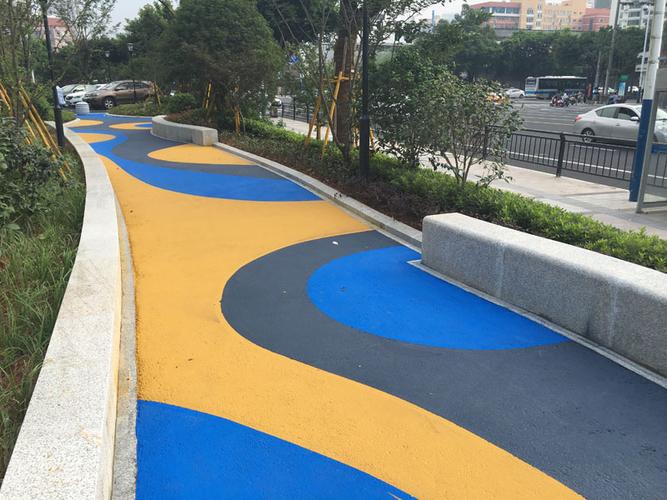
In dense city environments, colored pavement helps organize traffic flow by clearly defining movement paths for different users.
Colored pavement contributes to road safety by combining visual and physical performance improvements.
Many colored pavement systems use textured aggregates that increase friction, reducing the risk of skidding during braking or turning.
Clear visual separation of traffic zones helps prevent lane encroachment and reduces conflicts between vehicles, cyclists, and pedestrians.
When road conditions are easier to understand visually, drivers can react more quickly to changes in traffic situations.
Colored pavement is especially effective in challenging weather conditions such as rain, fog, or nighttime driving.
Maintains visibility in wet conditions
Reduces glare from headlights and streetlights
Provides stable friction performance on slippery surfaces
These characteristics make it suitable for all-weather transportation systems.
Colored pavement is widely used in areas where visibility and safety are critical, including:
Urban intersections
Bicycle lanes and shared paths
Pedestrian crossings
Highway ramps and exits
School zones and residential streets
These applications help improve traffic organization and reduce accident risks in high-use areas.
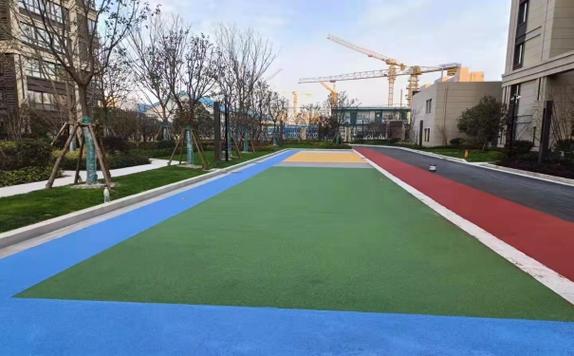
As cities move toward smarter infrastructure systems, colored pavement plays an important role in supporting safer mobility by:
Enhancing multimodal transportation safety
Supporting traffic calming strategies
Improving pedestrian and cyclist protection
Strengthening visual road communication systems
Colored pavement improves road visibility and safety by combining clear visual guidance with high-friction surface performance. It helps reduce accidents, improves traffic efficiency, and supports safer urban mobility systems, making it an essential component of modern road infrastructure.