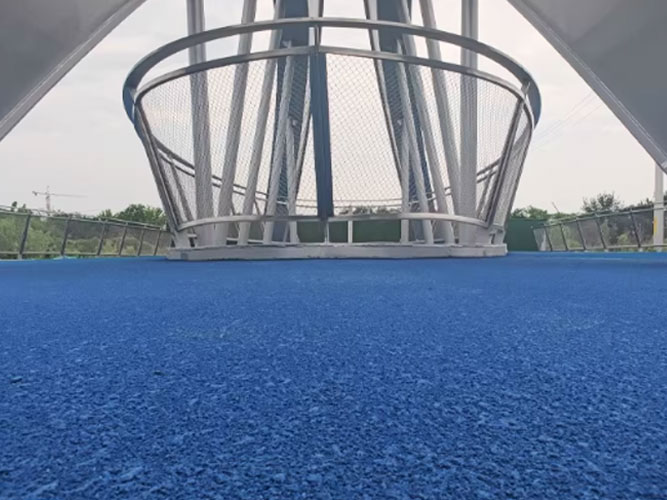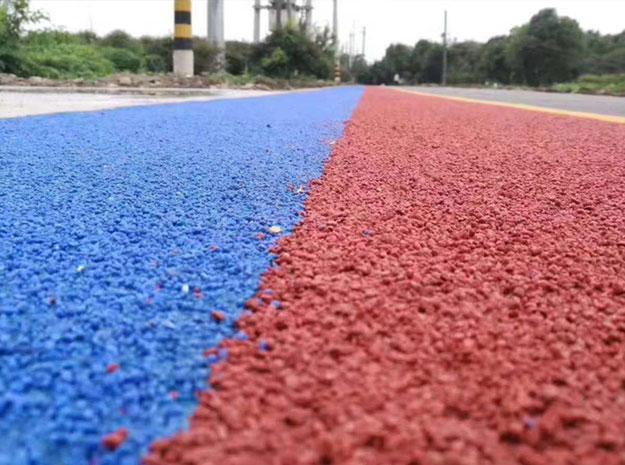
Colored anti-skid coatings are widely used on bridges, tunnels, and highways to improve driving safety, enhance visibility, and increase surface friction in high-risk traffic environments. These infrastructure elements often experience complex driving conditions, making advanced surface treatments especially important for accident prevention and traffic control.
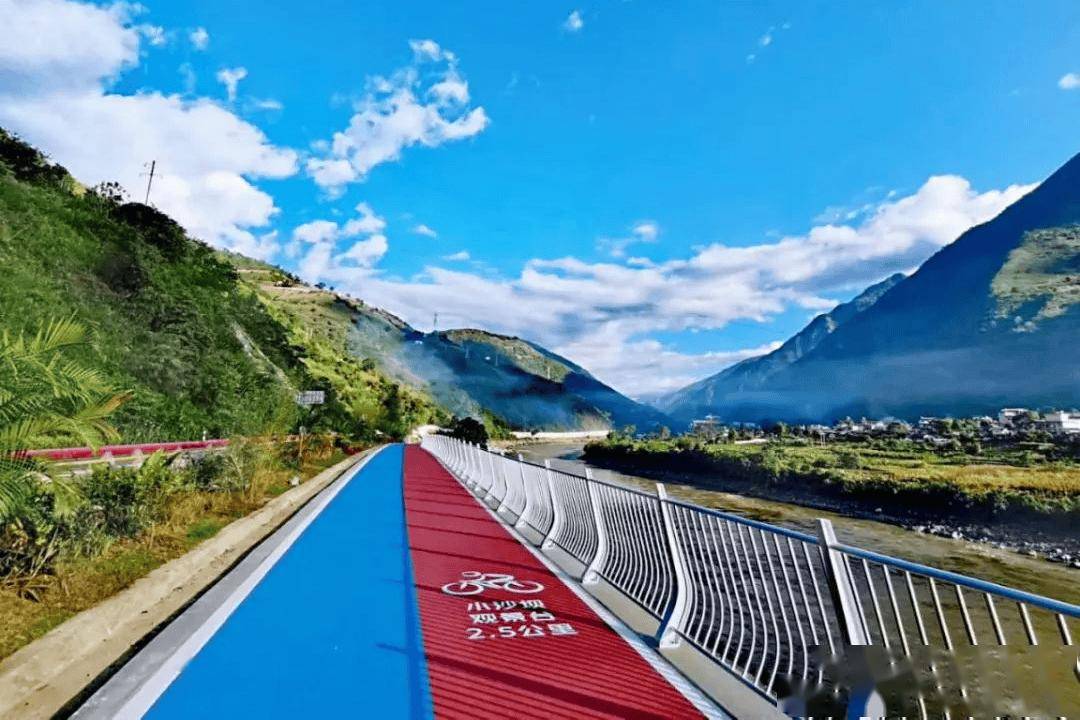
On bridges, colored anti-skid coatings play a key role in improving vehicle stability. Bridges are often exposed to wind, rain, and temperature changes, which can make surfaces slippery. The high-friction texture of anti-skid coatings helps vehicles maintain better grip, reducing the risk of skidding, especially during wet weather or sudden braking. Colored surfaces can also be used to highlight lanes or warning zones, improving driver awareness in critical areas.
In tunnels, visibility and guidance are the main advantages. Lighting conditions in tunnels are often limited, and sudden changes in brightness can affect driver reaction time. Colored coatings help define lanes, shoulders, and emergency zones more clearly, allowing drivers to maintain better lane discipline and reduce confusion. The improved surface texture also enhances traction in environments where moisture or oil buildup may occur.
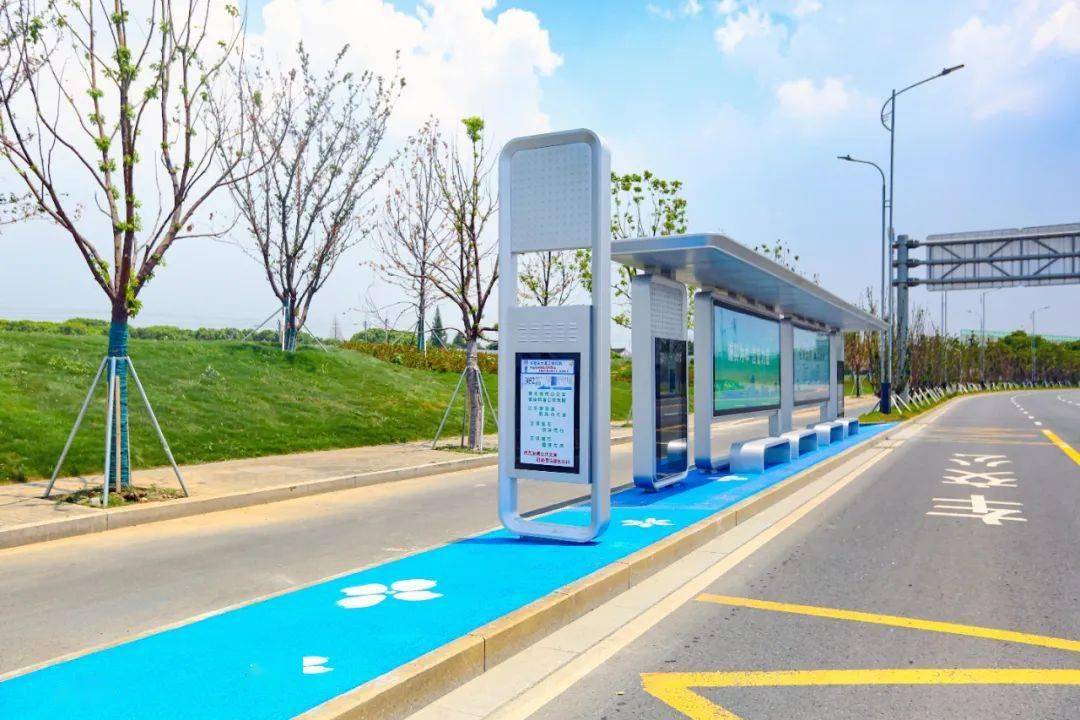
On highways, colored anti-skid coatings are often applied to ramps, merging lanes, sharp curves, toll plazas, and accident-prone sections. The combination of high friction and bright color improves driver awareness and encourages speed reduction in critical zones. This helps reduce accident rates and improves overall traffic flow safety.
Modern coating systems used in these applications are designed for long-term durability. They can withstand heavy traffic loads, UV exposure, temperature changes, and continuous wear while maintaining both color brightness and skid resistance. Systems such as resin-based or MMA coatings are commonly used due to their strong bonding performance and long service life.
Overall, colored anti-skid coatings provide a powerful solution for enhancing safety, improving visibility, and strengthening traffic guidance across bridges, tunnels, and highways, making them an important part of modern transportation infrastructure.