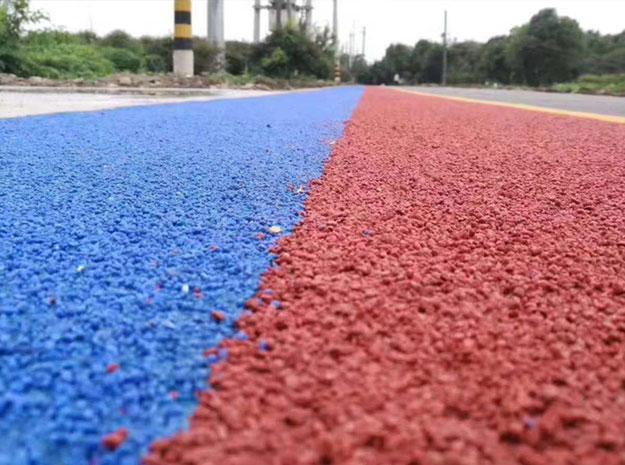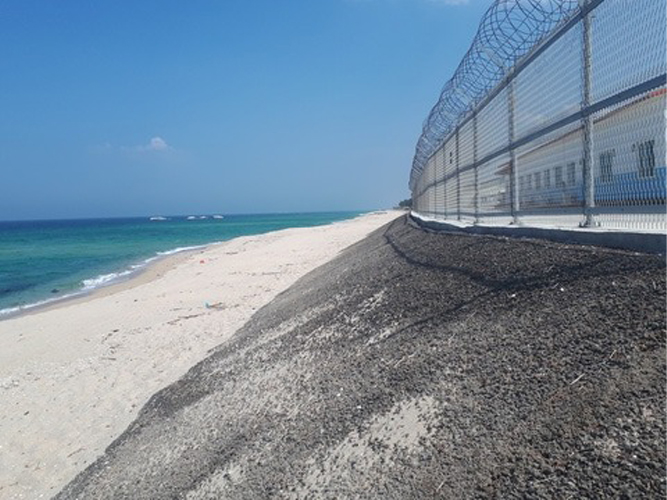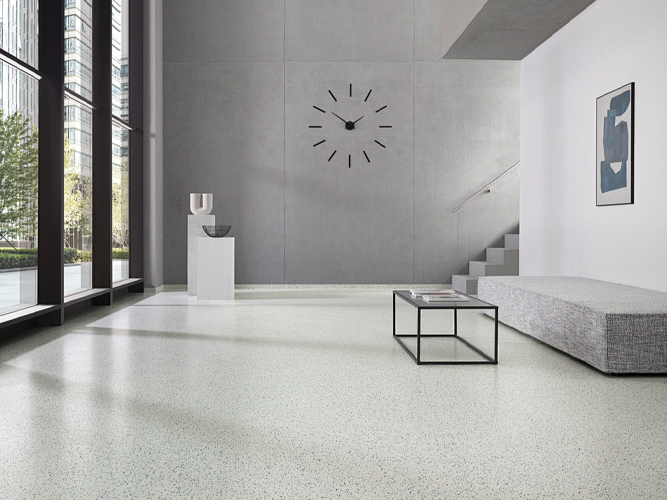
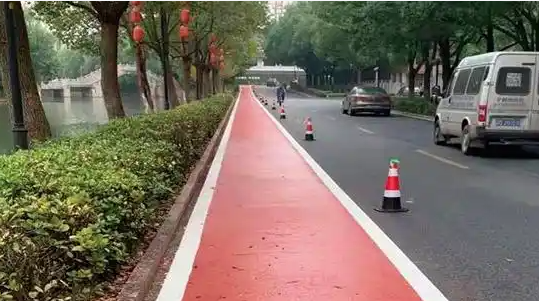
Modern cities are facing increasing challenges in traffic management, pedestrian safety, and sustainable urban development. As urban roads become more crowded and complex, traditional black asphalt surfaces are no longer sufficient for modern transportation needs. Colored pavement has emerged as an innovative solution that combines functionality, safety, and aesthetics, making it an essential part of smart city infrastructure.
One of the biggest advantages of colored pavement is its ability to improve road safety. Bright and highly visible road surfaces help drivers quickly recognize different traffic zones, reducing confusion and improving reaction times. Colored anti-slip pavement is commonly used in bicycle lanes, pedestrian crossings, bus lanes, intersections, and highway ramps where clear visual guidance is critical.
High-friction colored surfaces also provide better skid resistance, especially during rainy conditions. The anti-slip aggregates used in these systems help reduce braking distances and lower the risk of accidents.
Colored pavement allows cities to create clear traffic separation and improve road efficiency. Different colors can be used to identify specific road functions:
Red pavement for bus lanes
Green pavement for bicycle lanes
Blue pavement for parking zones
Yellow or orange pavement for warning areas
This visual organization helps both drivers and pedestrians navigate urban environments more safely and efficiently.
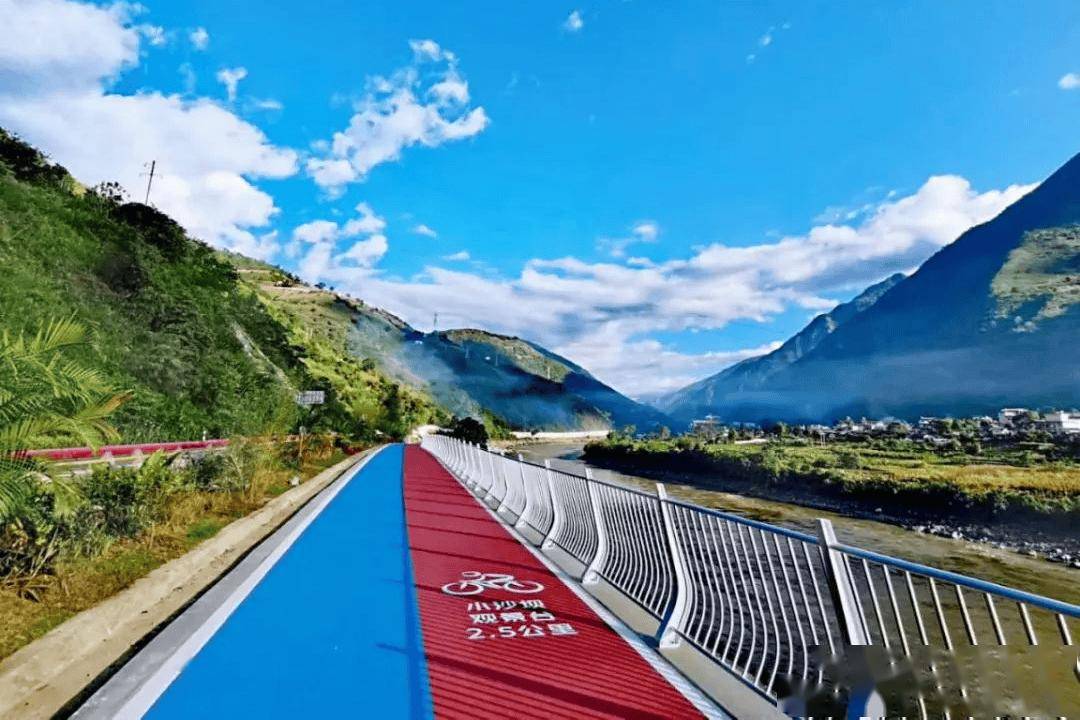
Beyond functionality, colored pavement also improves the visual appeal of public spaces. Modern cities are increasingly using decorative pavement systems to create attractive streetscapes, parks, plazas, and commercial districts. Vibrant road surfaces contribute to a cleaner, more organized, and more modern urban image.
Colored pavement can also support city branding and urban design projects by matching local architectural styles or transportation themes.
Many modern colored pavement systems are developed with environmentally friendly materials, including water-based coatings and low-VOC resins. Compared with traditional road reconstruction, colored surface treatments often require less material and energy, making them a more sustainable option for road maintenance and rehabilitation.
Water-based SP colored pavement systems, colored micro surfacing, and resin-based anti-skid coatings are becoming popular due to their durability and reduced environmental impact.
Colored pavement technology is widely used in urban infrastructure projects, including:
Bicycle lanes
Pedestrian walkways
Crosswalks
Bus rapid transit lanes
Parking lots
Highway ramps
School zones
Industrial parks
Tourist attractions
Its versatility makes it suitable for both decorative and high-performance traffic applications.
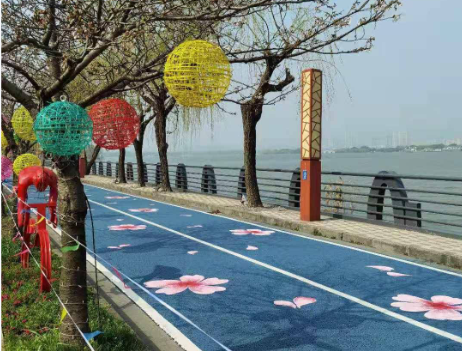
Modern colored pavement systems are designed to withstand heavy traffic, UV exposure, and harsh weather conditions. Materials such as MMA resin, ceramic aggregates, and polymer-modified coatings provide excellent wear resistance and color stability.
This long service life reduces maintenance frequency and lowers overall lifecycle costs for municipalities and contractors.
Colored pavement is transforming modern urban roads by improving safety, enhancing traffic management, supporting sustainable development, and creating more attractive public spaces. As cities continue to invest in smarter and safer transportation systems, colored pavement will play an increasingly important role in the future of urban infrastructure.