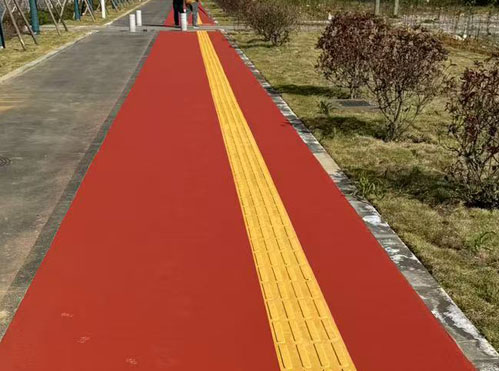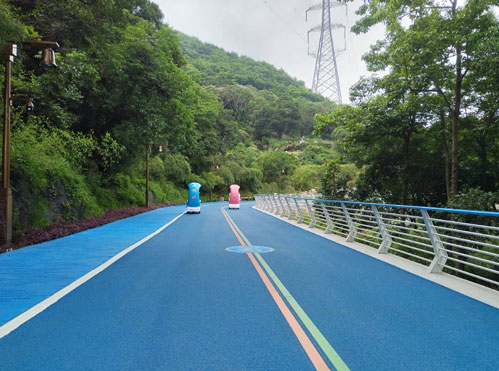
As cities continue to invest in cycling infrastructure, colored anti-slip surfaces have become a preferred solution for bike lanes worldwide. These specialized pavement systems combine high-visibility colors with enhanced skid resistance, creating safer and more efficient cycling environments for both riders and motorists.
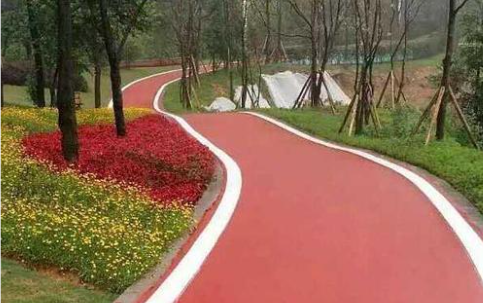
One of the primary reasons colored anti-slip surfaces are popular for bike lanes is their ability to improve visibility. Bright colors such as red, green, and blue clearly distinguish bicycle lanes from vehicle traffic lanes and pedestrian walkways. This visual separation helps reduce confusion, increases driver awareness, and encourages safer road-sharing behavior.
Safety is another major advantage. Bike lanes are frequently exposed to rain, dust, fallen leaves, and other contaminants that can create slippery conditions. Anti-slip surfacing systems incorporate high-friction aggregates that provide superior traction, reducing the risk of skidding and accidents. This is especially important at intersections, curves, downhill sections, and areas with heavy bicycle traffic.
Durability also contributes to their growing popularity. Modern colored anti-slip pavement systems use high-performance resins and wear-resistant aggregates that withstand continuous traffic, weather exposure, and UV radiation. The color remains vibrant for years, while the anti-skid properties continue to deliver reliable performance with minimal maintenance.
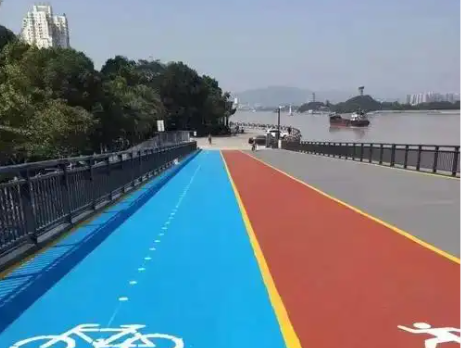
In addition to safety and durability, colored bike lane surfaces improve urban aesthetics. Well-designed cycling networks with clearly marked, colorful lanes contribute to a cleaner and more organized streetscape. They help create a modern city image while promoting environmentally friendly transportation options.
Many municipalities also use colored anti-slip surfacing as part of traffic management strategies. By highlighting bicycle priority zones, crossing areas, and conflict points, these surfaces guide road users and improve traffic flow. The clear visual cues can significantly reduce collisions between cyclists, pedestrians, and vehicles.
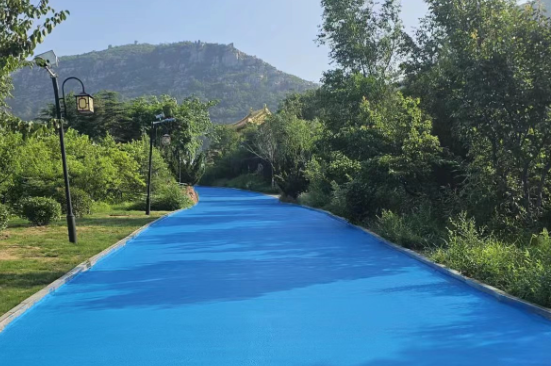
Environmental considerations further support the adoption of colored anti-slip systems. Many modern formulations are water-based or low-VOC, making them more sustainable than traditional pavement treatments. Their long service life also reduces the need for frequent repairs and material consumption.
As cycling continues to grow as a sustainable mode of transportation, colored anti-slip surfaces are becoming an essential component of modern bike lane construction. By combining visibility, safety, durability, and aesthetic appeal, these innovative pavement solutions help create safer and more attractive cycling infrastructure for communities around the world.