Road safety is a primary concern for transportation agencies, city planners, and infrastructure developers worldwide. As urban areas become more congested and traffic networks more complex, innovative solutions are needed to improve visibility, guide road users, and reduce accidents. One of the most effective and increasingly popular solutions is the use of colored pavement systems. Beyond their visual appeal, colored pavement systems offer significant safety benefits for drivers, cyclists, and pedestrians alike.
Colored pavement systems are specialized surface treatments applied to asphalt or concrete pavements using high-performance binders and colored aggregates or pigments. These systems create durable, highly visible road surfaces that can withstand traffic loads and environmental conditions while maintaining their color and skid-resistant properties.
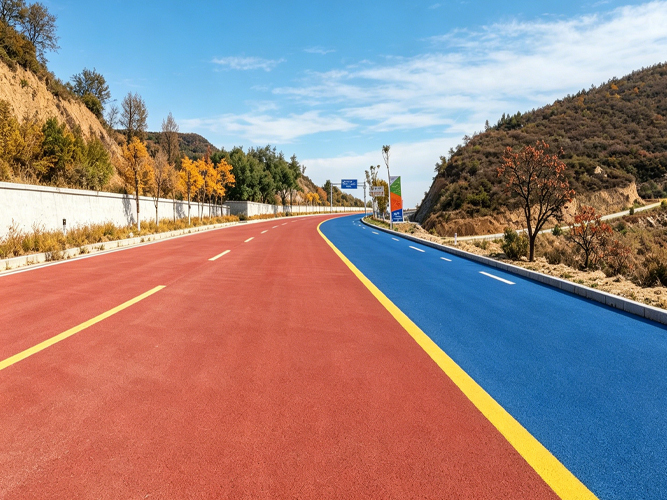
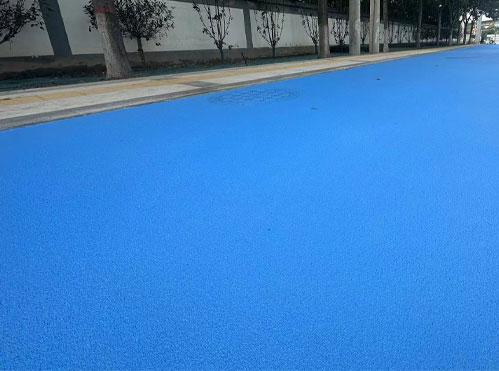
Common colors include red, green, blue, yellow, and other customized shades designed to identify specific traffic zones and improve road user awareness.
One of the most important safety advantages of colored pavement systems is improved visibility. Traditional asphalt surfaces can make it difficult for drivers to quickly distinguish between different traffic areas, especially in busy urban environments.
Colored pavement creates a strong visual contrast that helps road users easily recognize:
Bicycle lanes
Bus lanes
Pedestrian crossings
School zones
Parking areas
Traffic calming zones
Restricted vehicle lanes
This visual guidance reduces confusion and improves traffic flow, particularly in areas with multiple transportation modes.
Brightly colored pavement surfaces naturally attract attention and encourage drivers to become more alert. When approaching a colored section of roadway, drivers are more likely to recognize that they are entering a special-use area that may require reduced speed or increased caution.
For example, red-colored pavement at pedestrian crossings or school zones signals potential hazards and encourages safer driving behavior. This additional visual warning can help reduce accident risks and improve compliance with traffic regulations.

Pedestrians are among the most vulnerable road users. Colored pavement systems help create safer walking environments by clearly defining crossing points and pedestrian-priority zones.
At crosswalks and pedestrian intersections, colored surfaces provide:
Better visibility for drivers
Clear crossing guidance for pedestrians
Enhanced separation from vehicle traffic
Increased awareness during low-light conditions
As a result, both drivers and pedestrians can navigate shared spaces more safely.
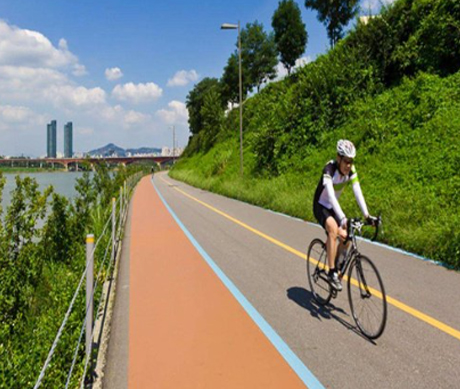
As cities continue to promote sustainable transportation, bicycle networks are expanding rapidly. Colored pavement plays a critical role in improving cyclist safety by clearly separating bicycle lanes from motor vehicle traffic.
Benefits include:
Greater lane recognition
Reduced vehicle encroachment
Improved cyclist confidence
Better intersection visibility
Enhanced route continuity
Green and red bicycle lanes are commonly used worldwide to identify dedicated cycling facilities and reduce conflicts between cyclists and motorists.
Many colored pavement systems are designed with anti-skid properties that improve pavement friction. By combining high-performance binders with durable aggregates, these surfaces provide excellent grip in both wet and dry conditions.
Improved skid resistance offers several safety advantages:
Shorter braking distances
Better vehicle control
Reduced risk of skidding
Improved performance during rain
Enhanced safety for bicycles and motorcycles
This combination of visibility and friction makes colored pavement an effective safety solution for a wide range of applications.
Colored pavement can also be used as a traffic management tool. Different colors help communicate road functions instantly without requiring additional signage.
Examples include:
Red for bus lanes
Green for bicycle lanes
Yellow for caution zones
Blue for special parking areas
Customized colors for municipal projects
This visual communication improves road user understanding and supports safer traffic operations.
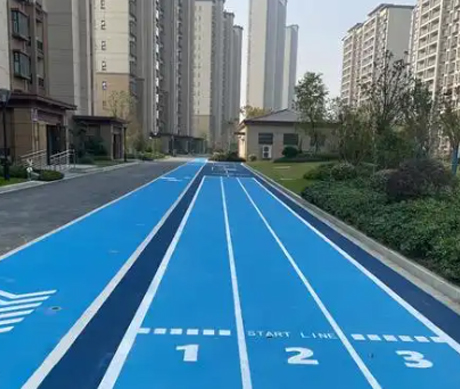
Colored pavement systems are widely used in:
Urban roads
Bicycle lanes
Pedestrian crossings
School zones
Public transportation corridors
Parking facilities
Parks and recreational areas
Residential communities
Commercial districts
Airport service roads
Their versatility allows them to enhance safety across various transportation environments.
As cities move toward smarter and more sustainable transportation systems, colored pavement will continue to play an important role. Modern colored surfacing technologies are being developed with improved durability, environmental performance, and compatibility with intelligent transportation systems.
Combined with clear road markings, digital traffic management, and smart mobility solutions, colored pavement systems contribute to safer, more efficient, and more user-friendly urban infrastructure.
Colored pavement systems offer far more than aesthetic benefits. By improving visibility, increasing driver awareness, enhancing pedestrian and cyclist safety, and providing superior anti-skid performance, they significantly contribute to safer road environments. As transportation infrastructure continues to evolve, colored pavement systems will remain a valuable tool for improving road safety, supporting sustainable mobility, and creating more organized and attractive public spaces.