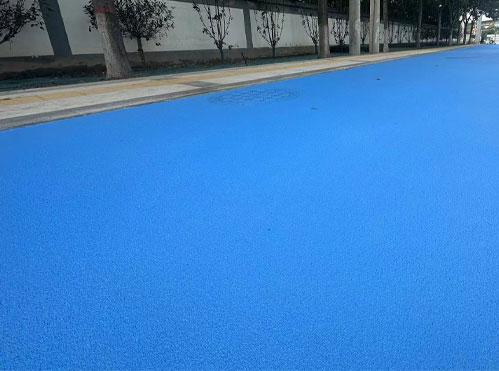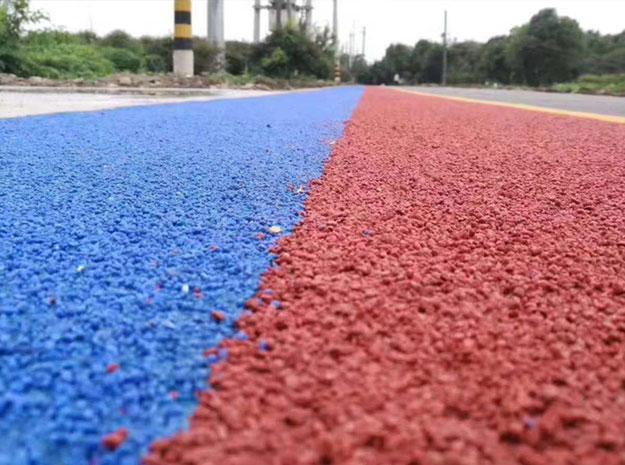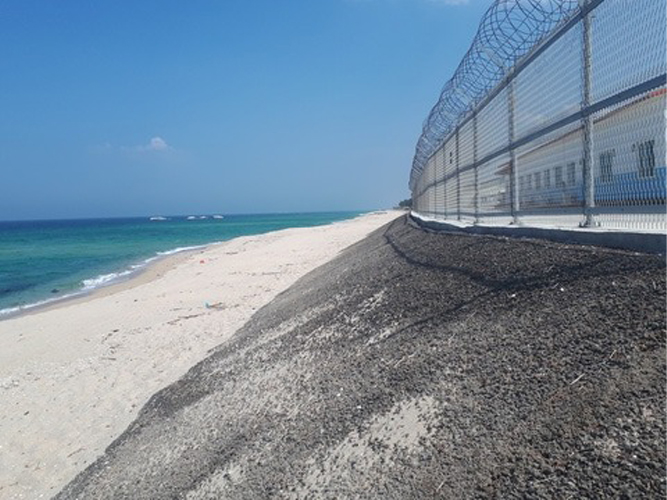
Thin layer colored micro-surfacing is a fast, cost-effective pavement maintenance technology designed to restore worn urban roads while improving safety and visual appearance. It uses a specially engineered mixture of emulsified asphalt, fine aggregates, fillers, additives, and color pigments to form a thin, durable overlay that can be quickly applied to existing asphalt surfaces without full reconstruction.
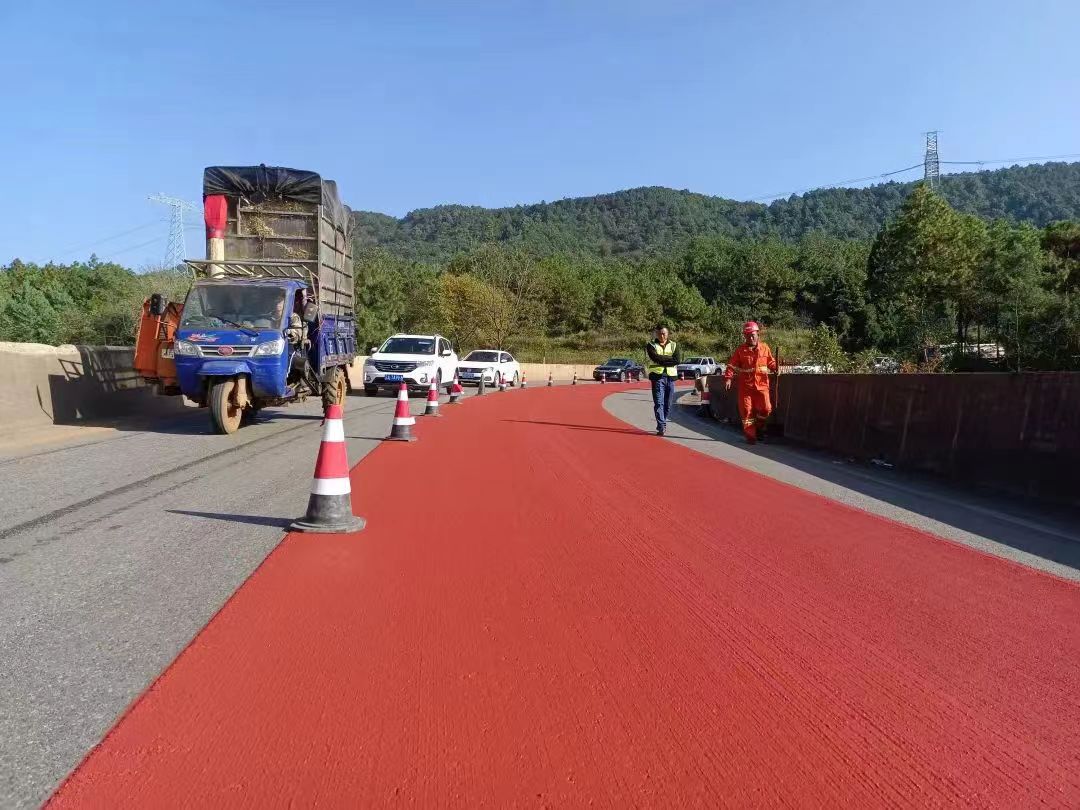
Urban roads experience frequent wear due to traffic loads, weathering, and aging. Thin layer micro-surfacing provides a practical rehabilitation method by sealing surface defects, correcting minor rutting, and restoring skid resistance. Because it is applied in a very thin layer, it minimizes material use and reduces construction time, making it ideal for busy city streets where traffic disruption must be limited.
By incorporating color pigments, this micro-surfacing system enhances road visibility and functional zoning. Bright, durable colors can be used to mark bike lanes, bus lanes, pedestrian crossings, and safety zones. This improves traffic organization and helps reduce accidents in complex urban environments.
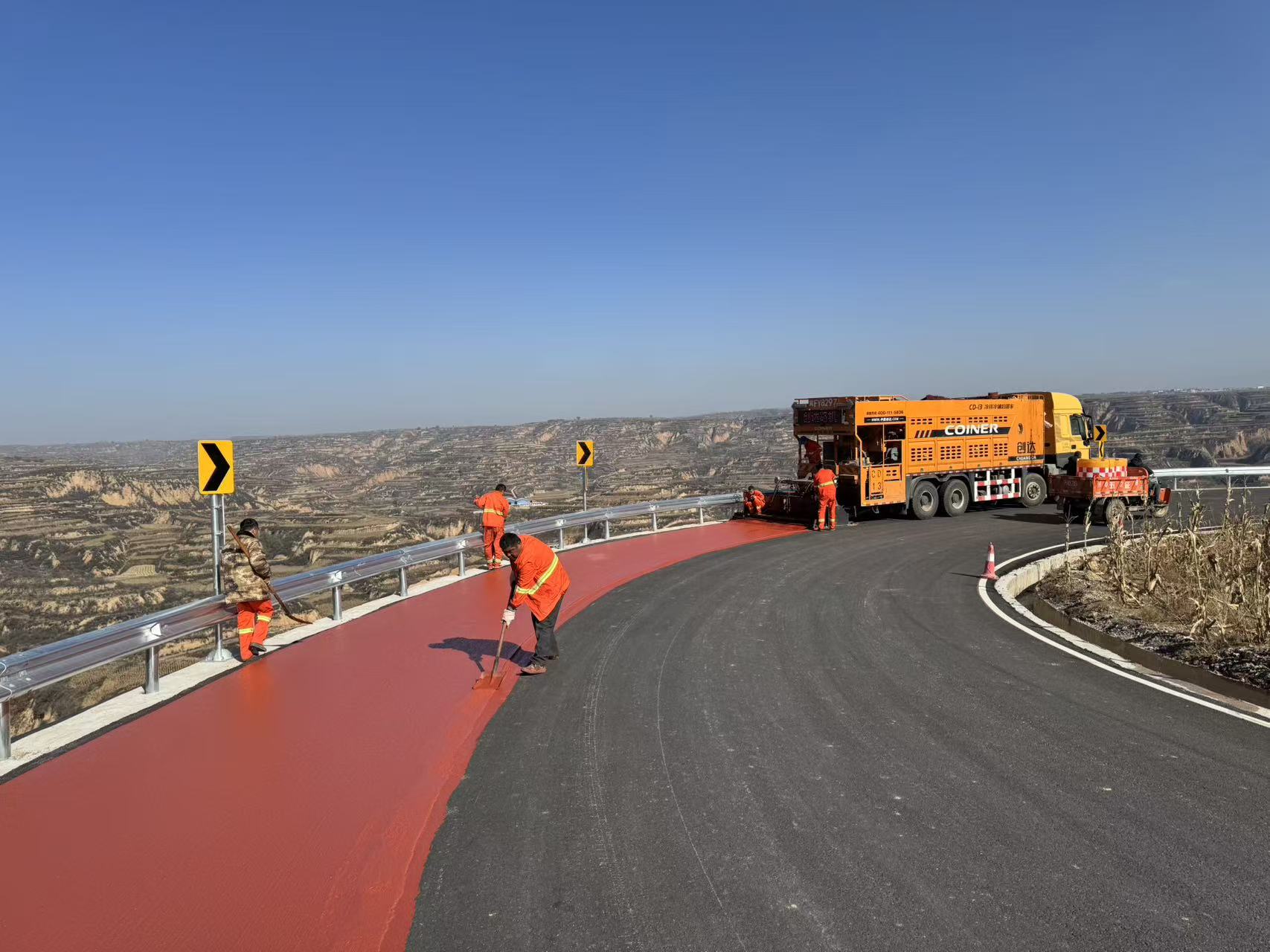
The textured surface created by fine aggregates provides strong anti-slip performance, even in wet or high-traffic conditions. This improves braking stability and pedestrian safety, making it suitable for intersections, school zones, and commercial streets where safety is critical.
Thin layer colored micro-surfacing forms a protective layer that resists water infiltration, UV exposure, oxidation, and surface wear. It helps extend the service life of the underlying pavement while maintaining color stability and structural integrity over time.
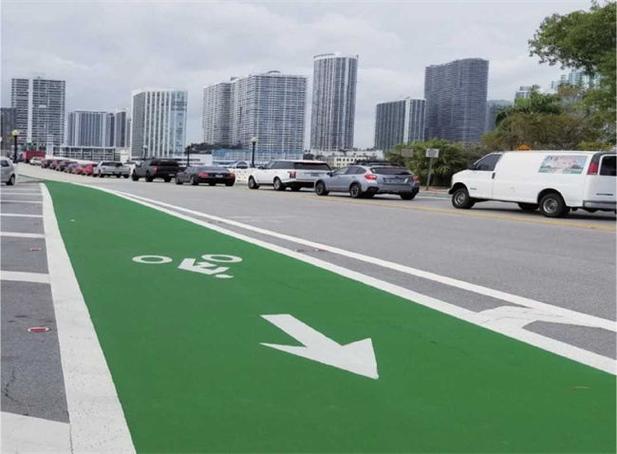
This technology is widely considered environmentally friendly due to its low material consumption, reduced emissions, and fast curing time. Roads can often be reopened shortly after application, minimizing disruption to traffic and daily urban activity.
Thin layer colored micro-surfacing is an ideal solution for modern urban road repair projects. It combines rapid construction, cost efficiency, improved skid resistance, and vibrant color functionality, making it a practical choice for safer, more organized, and visually enhanced city streets.