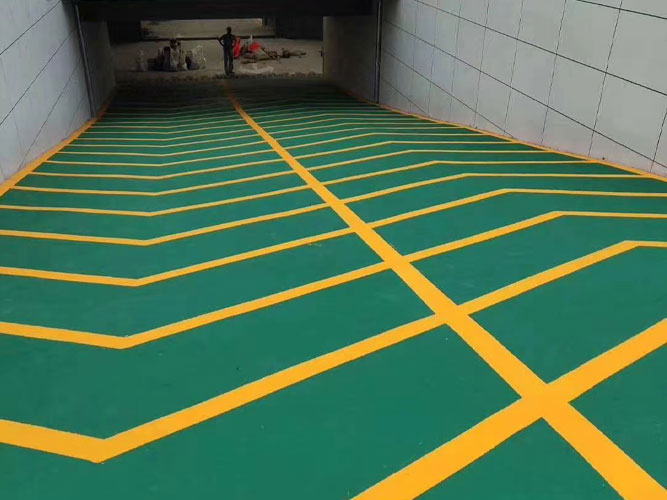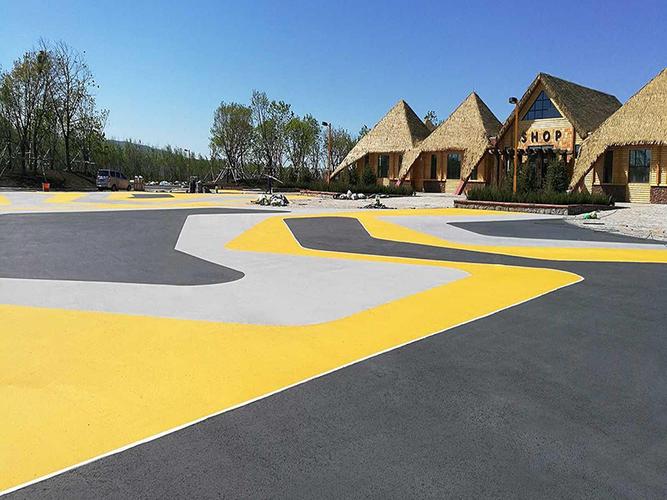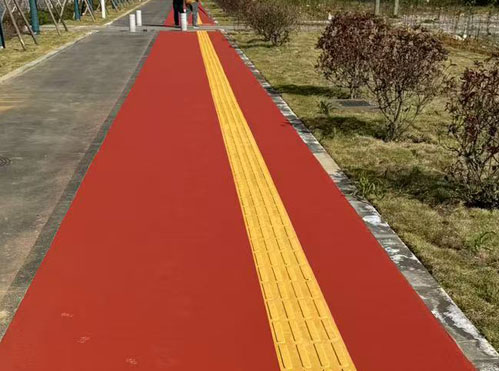
With the rapid development of urban transportation systems, improving traffic safety has become a major priority for cities, road authorities, and infrastructure developers. Traditional asphalt and concrete surfaces often provide limited visual guidance, especially in complex traffic environments with multiple road users. Colored pavement coatings have emerged as an effective solution to enhance road visibility, improve traffic organization, and increase overall safety.
By combining high-performance binders, durable aggregates, and vibrant color pigments, colored pavement coating systems create functional surfaces that not only improve aesthetics but also provide anti-skid performance and long-term durability.
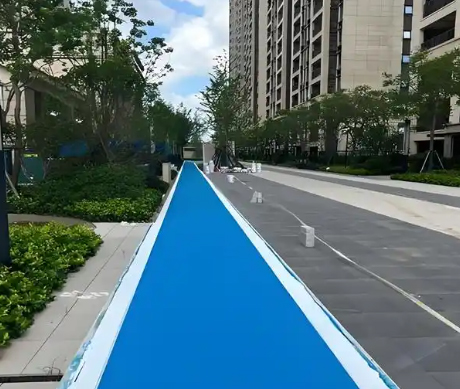
Traffic accidents often occur due to poor visibility, unclear road markings, and insufficient driver awareness. Colored pavement coatings address these challenges by creating clearly identifiable traffic zones and improving communication between road users.
Unlike conventional road surfaces, colored coatings provide immediate visual recognition, helping drivers, cyclists, and pedestrians understand how different areas of the road should be used.
One of the greatest advantages of colored pavement coatings is enhanced visibility. Bright and distinctive colors create a strong contrast with traditional pavement, making important areas easier to identify.
Common applications include:
Bicycle lanes
Bus lanes
Pedestrian crossings
School safety zones
Intersection warning areas
Emergency access lanes
Improved visibility helps reduce confusion and allows road users to make safer decisions.
Colored surfaces naturally attract attention and encourage drivers to slow down and remain alert. When approaching specially colored pavement areas, drivers are more likely to recognize potential hazards or changes in road conditions.
For example:
Red pavement can highlight conflict zones or high-risk areas.
Green pavement can identify bicycle lanes.
Yellow pavement can indicate caution zones.
This visual warning effect supports safer driving behavior and reduces potential conflicts.
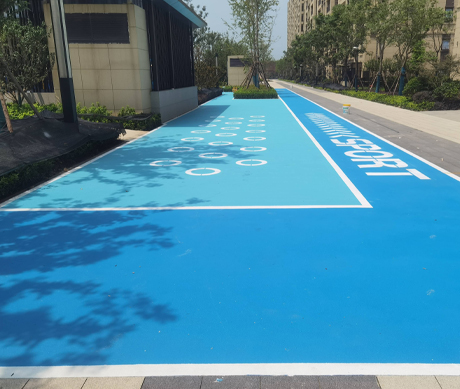
Modern colored pavement coatings are often combined with high-friction aggregates to improve surface grip. The textured surface structure increases friction between tires and pavement, especially during wet conditions.
Benefits include:
Improved vehicle control
Shorter braking distance
Reduced skidding risk
Better motorcycle and bicycle stability
Safer operation in rainy weather
This makes colored anti-skid pavement coatings ideal for high-risk traffic locations.
Pedestrians and cyclists face higher risks in mixed traffic environments. Colored pavement coatings create visual separation between different road users and improve the recognition of dedicated spaces.
Applications such as colored bicycle lanes and pedestrian zones help:
Reduce vehicle intrusion
Improve pedestrian awareness
Increase cyclist confidence
Create safer shared spaces
Colored pavement coatings are widely used in various traffic safety improvement projects:
Cities use colored pavement systems to improve traffic organization, highlight special lanes, and enhance streetscape design.
Colored bicycle lanes provide clear separation between cyclists and vehicles, supporting safer and more comfortable cycling environments.
Colored coatings improve the visibility of crosswalks, school areas, and pedestrian-priority spaces.
High-friction colored surfacing is commonly applied at intersections, turning areas, and accident-prone locations to improve vehicle control.
Colored pavement helps organize parking spaces, loading zones, and pedestrian routes while improving overall appearance.
Compared with standard painted markings, advanced colored pavement coatings offer:
Longer service life
Better wear resistance
Higher friction performance
Stronger color retention
Improved weather resistance
Reduced maintenance frequency
These advantages make them suitable for long-term infrastructure projects.
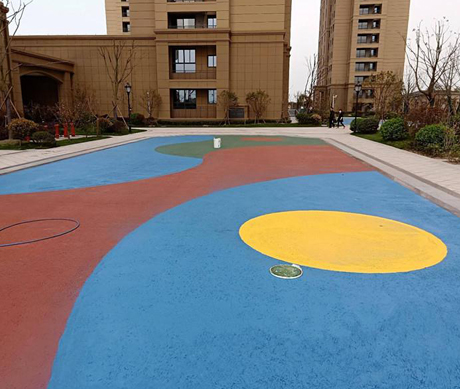
As cities move toward smarter and greener transportation systems, colored pavement coatings are evolving with new technologies. Future developments include:
Low-VOC and water-based pavement systems
Recycled aggregate solutions
Energy-efficient manufacturing
Smart road integration
Improved UV and weather resistance
These innovations will help create safer, more sustainable, and more visually organized transportation networks.
Colored pavement coatings are becoming an important solution for traffic safety enhancement. By improving visibility, increasing driver awareness, providing anti-skid performance, and creating clear separation between road users, these systems contribute to safer and more efficient transportation environments.
From urban streets and bicycle lanes to pedestrian crossings and high-risk intersections, colored pavement coatings provide a durable and practical approach to modern road safety challenges. As infrastructure continues to evolve, high-performance colored anti-skid pavement systems will play an increasingly important role in building safer cities and smarter transportation networks.