Colored Pavement Materials Explained
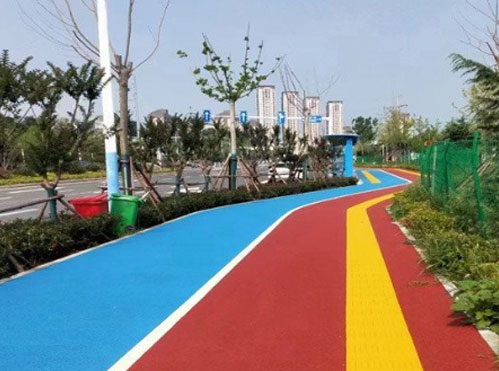
Colored pavement materials are specialized surface systems designed to improve road safety, enhance visual organization, and provide decorative effects for a wide range of infrastructure applications. Unlike traditional asphalt or concrete surfaces, colored pavement combines functional performance with aesthetic design, making it an important material in modern urban development.
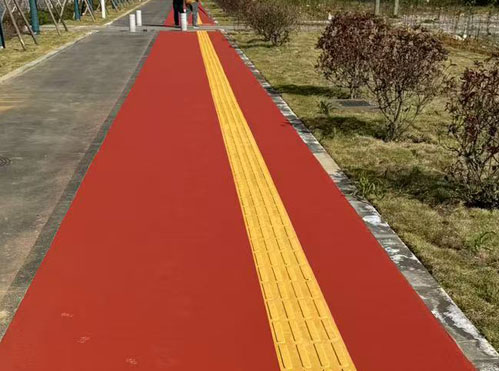
These materials are widely used in urban roads, pedestrian crossings, bicycle lanes, parking areas, school zones, parks, scenic roads, and commercial spaces. Their main purpose is to clearly define functional zones while improving surface safety and durability.
At the core of colored pavement systems are several key material types. One common category is resin-based coatings, which use epoxy, polyurethane, or MMA (methyl methacrylate) systems. These materials provide strong bonding, fast curing (in some systems), and excellent resistance to wear and weathering. They are often used where high durability and anti-slip performance are required.
Another important system is color emulsified micro-surfacing. This is a thin-layer pavement technology that combines emulsified asphalt with pigments and fine aggregates. It is widely used for road maintenance and surface renewal, offering cost-effective color application and improved skid resistance.
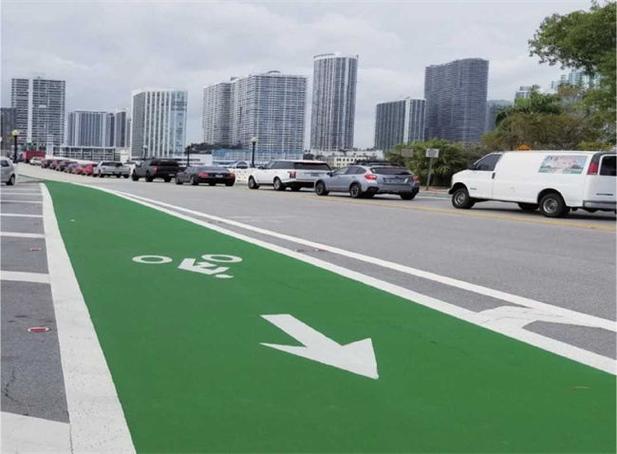
Polymer-modified slurry systems are also widely used. These materials improve flexibility, crack resistance, and adhesion, making them suitable for medium-traffic roads and public spaces. They provide a balance between performance and cost efficiency.
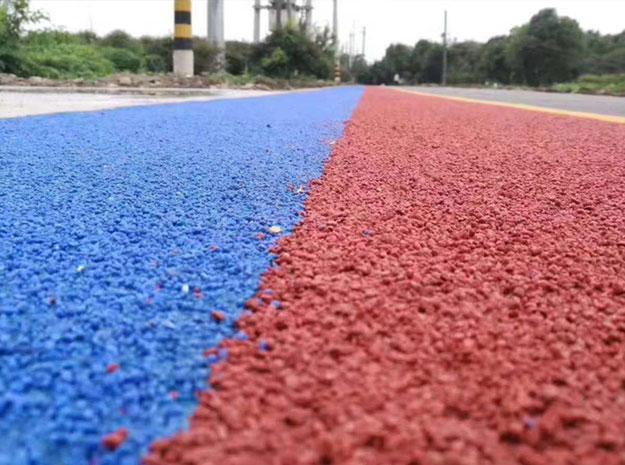
A key component in many advanced systems is aggregate technology. High-friction aggregates or ceramic particles are added to the surface to enhance skid resistance. These materials create a rough micro-texture that improves grip for both vehicles and pedestrians, especially in wet or slippery conditions.
Pigments play an essential role as well. High-quality inorganic or UV-stable pigments are used to ensure long-term color retention. Unlike simple surface paints, these pigments are often embedded within the material structure, allowing the pavement to maintain its color under sunlight, rain, and heavy use.
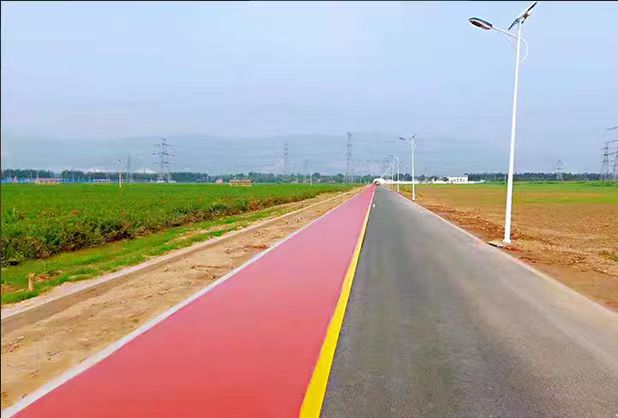
The advantages of colored pavement materials include improved safety, better traffic organization, enhanced visibility, and strong decorative impact. They help separate traffic lanes, highlight danger zones, and create visually appealing public environments.
In addition, modern colored pavement materials are designed for durability and low maintenance. They resist fading, abrasion, water damage, and temperature changes, making them suitable for long-term infrastructure use.
In conclusion, colored pavement materials are a combination of advanced binders, aggregates, pigments, and surface technologies. Together, they create high-performance surfaces that improve safety, extend service life, and enhance the visual quality of modern transportation and public spaces.