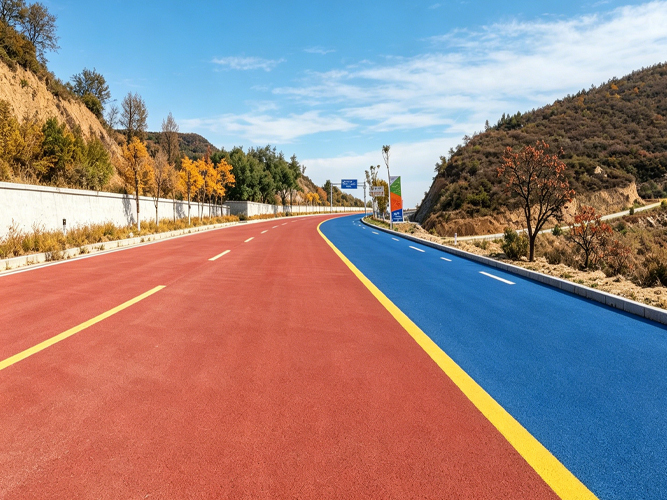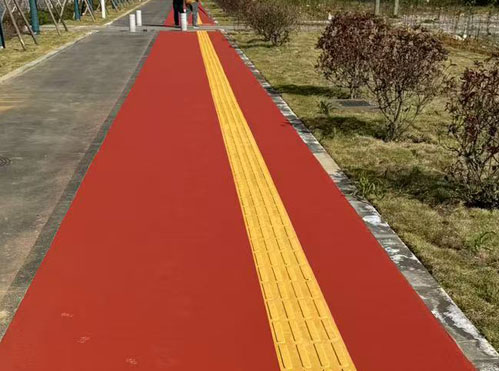
Colored pavement has become a versatile solution in modern infrastructure, offering enhanced safety, durability, and visual appeal. By combining high-friction materials with vibrant colors, it not only improves skid resistance but also helps organize traffic and pedestrian flow. Here are the top five applications of colored pavement in urban and outdoor environments.

Colored pavement is widely used in city streets and intersections to improve safety and traffic management. Different colors can designate bus lanes, bicycle paths, pedestrian crossings, or traffic-calming zones. The high-friction surface reduces skidding and vehicle accidents, particularly at busy junctions or areas prone to wet conditions.
Dedicated bicycle lanes and pedestrian walkways benefit from colored pavement for both safety and visual guidance. Bright colors clearly separate these paths from vehicular lanes, reducing the risk of collisions. Anti-slip surfaces ensure reliable traction for cyclists and pedestrians, even during rain or on slopes.
In parking areas and ramps, colored pavement improves both organization and safety. Colors can indicate reserved zones, accessible parking spaces, or pedestrian walkways. The textured surface prevents vehicles and pedestrians from slipping on wet surfaces, while the vibrant colors enhance overall visual clarity.
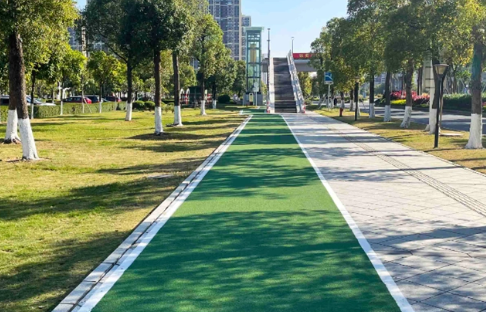
Colored pavement is increasingly popular in parks, plazas, and public recreational spaces. It enhances aesthetics and creates visually attractive patterns or designs while providing a durable, non-slip surface for foot traffic. These areas benefit from low-maintenance, long-lasting pavement that maintains both function and appearance.
Tourist destinations and scenic routes often use colored pavement to enhance visitor experience and safety. Decorative colors can guide traffic, indicate viewpoints, and highlight walking trails. Anti-slip surfaces ensure safe navigation, while visually appealing pavement complements the surrounding landscape.
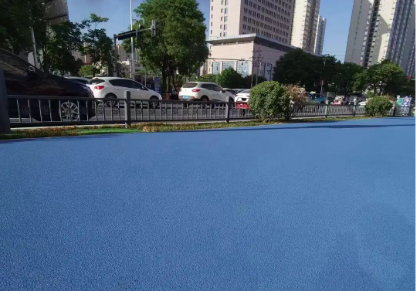
Colored pavement is a multifunctional solution that combines safety, durability, and aesthetics. Its applications range from urban streets and intersections to parks, parking lots, and scenic roads. By improving traction, guiding traffic, and enhancing visual appeal, colored pavement is an essential choice for modern infrastructure projects aiming to create safer, more organized, and attractive environments.