Why Road Anti-Skid Materials Are Essential for Road Safety
Road safety depends on many factors such as traffic management, driver behavior, and vehicle performance, but one of the most fundamental elements is road surface friction. This is where Road anti-skid materials become essential. They directly improve the interaction between tires and pavement, helping prevent accidents caused by slipping, skidding, and loss of control.
The Core Safety Problem: Low Road Friction
Over time, road surfaces naturally become smooth due to continuous traffic wear, especially in high-volume urban and highway environments. When rain, oil, or dust is added, the friction level drops even further. This leads to:
Longer braking distances
Reduced steering control
Increased hydroplaning risk
Higher accident rates at intersections and curves
Without sufficient friction, even experienced drivers may struggle to maintain control in critical situations.
How Road Anti-Skid Materials Improve Safety
Road anti-skid materials solve these problems by restoring and maintaining high surface friction through engineered textures and high-performance aggregates.

First, they create a high-friction surface layer using hard materials such as ceramic particles, basalt, or quartz. These aggregates increase tire grip by forming a rough, stable texture on the road surface.
Second, they use durable binding systems such as resin or polymer binders. These lock the aggregates firmly in place, ensuring long-term performance under heavy traffic loads.
Third, they maintain micro-texture stability, which means the surface continues to provide grip even after years of use and exposure to weather conditions.
Why They Are Critical in High-Risk Areas
Road anti-skid materials are especially important in locations where accidents are more likely to occur:
Highway curves and exit ramps
Urban intersections with frequent braking
Bridge decks exposed to rain and wind
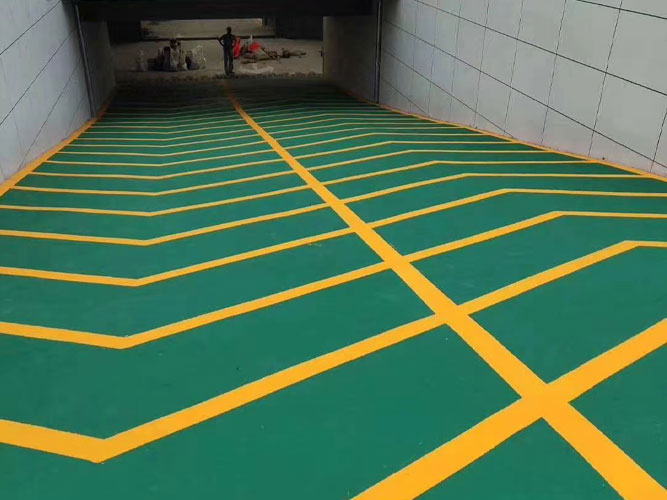
Tunnel entrances with sudden lighting changes
Pedestrian crossings and school zones
In these areas, even a small reduction in friction can lead to serious safety risks.
Key Safety Benefits
The use of road anti-skid materials provides several direct safety improvements:
Shorter braking distance during emergencies
Better vehicle control during turning and lane changes
Reduced hydroplaning in wet weather
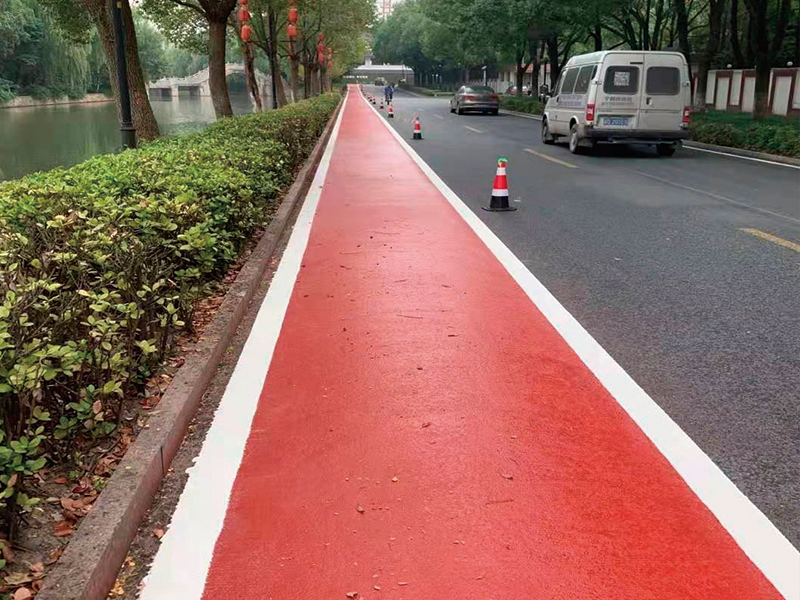
Improved stability for motorcycles and bicycles
Lower accident rates in complex traffic zones
These benefits contribute to safer driving conditions for all road users, including drivers, cyclists, and pedestrians.

Role in Modern Infrastructure
In modern transportation engineering, road anti-skid materials are no longer optional—they are a standard safety requirement. They are integrated into highway design, urban planning, and smart city infrastructure to ensure consistent safety performance across different road types.
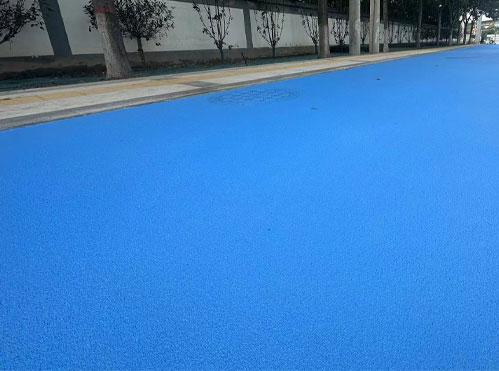
Many systems also combine anti-skid performance with color coding, helping to improve visibility and guide traffic more effectively in complex environments.
Conclusion
Road anti-skid materials are essential for road safety because they directly address the root cause of many traffic accidents: insufficient surface friction. By improving grip, reducing braking distance, and enhancing stability in all weather conditions, they play a critical role in preventing accidents and ensuring safer transportation systems worldwide.