High friction colored road surfaces are widely used in modern transportation infrastructure to improve safety, enhance visibility, and support efficient traffic management. By combining skid-resistant aggregates with durable colored binders, these systems provide both functional and visual benefits for a wide range of road environments.
High friction colored road surfaces are specialized pavement systems designed to increase tire grip while improving road visibility. They typically consist of:
High-strength resin or polymer binders
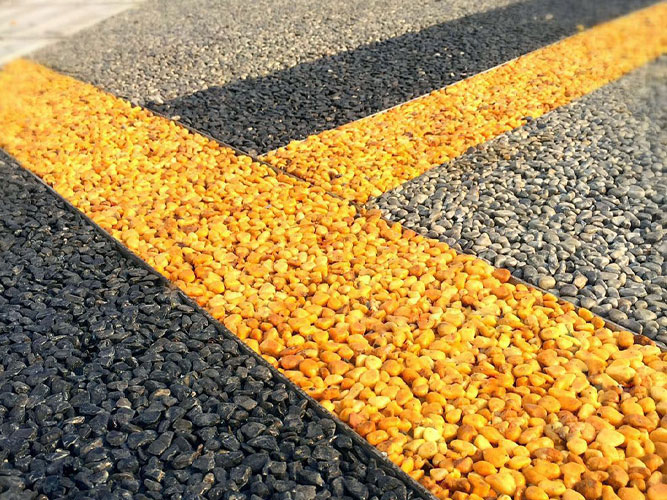
Anti-skid aggregates (such as ceramic or basalt particles)
UV-stable pigments for color coding
Strong bonding layers for asphalt or concrete substrates
This combination creates a durable, high-performance surface suitable for safety-critical areas.
One of the primary advantages of high friction colored surfaces is improved traction.
The textured aggregates significantly increase friction between tires and the road surface, reducing the risk of skidding.
Even in rain or wet environments, the surface maintains strong grip, helping prevent hydroplaning and loss of control.
Improved friction allows vehicles to stop more effectively in emergency situations.
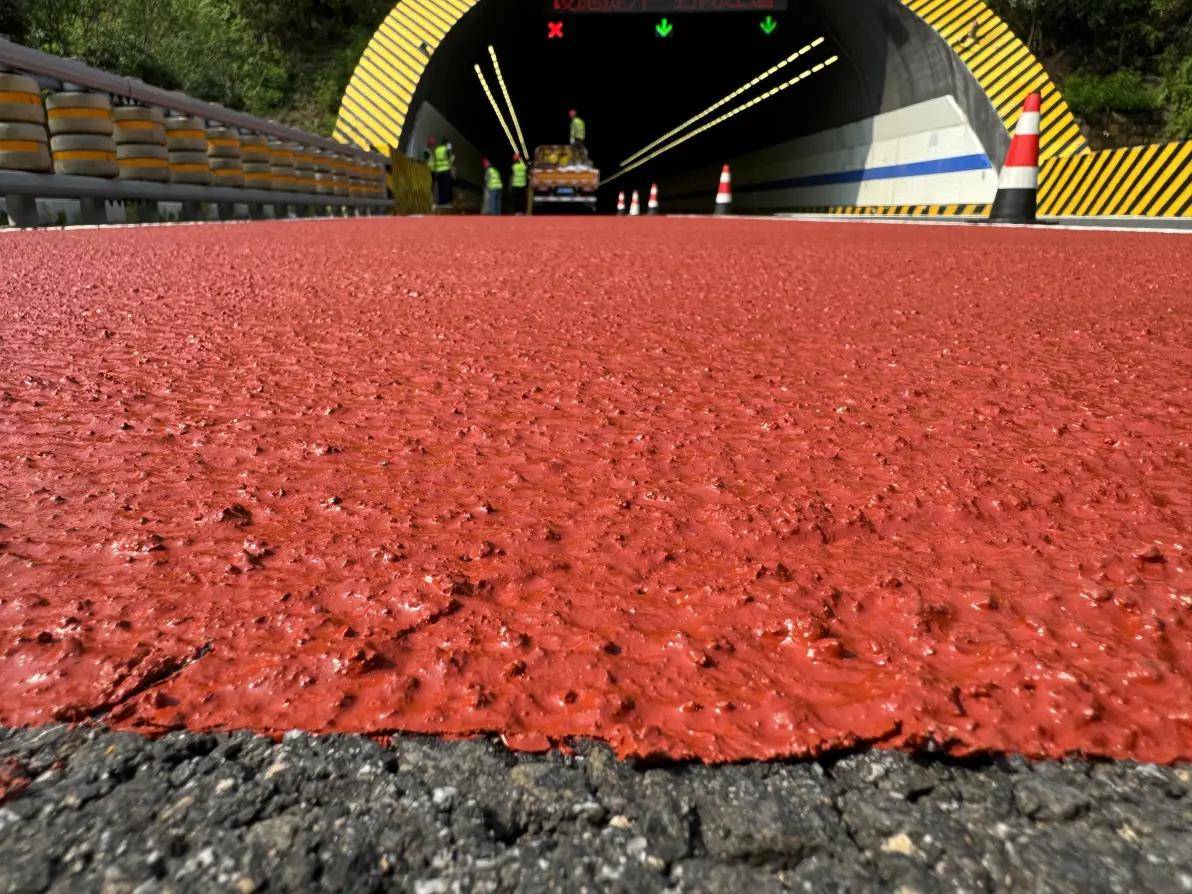
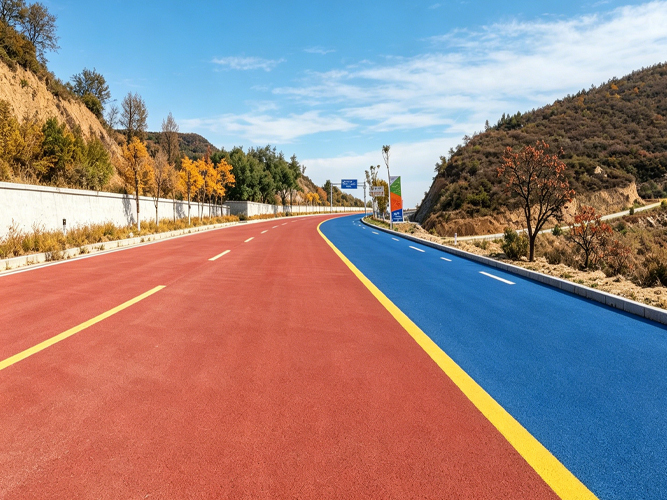
Color is an important visual communication tool in road design.
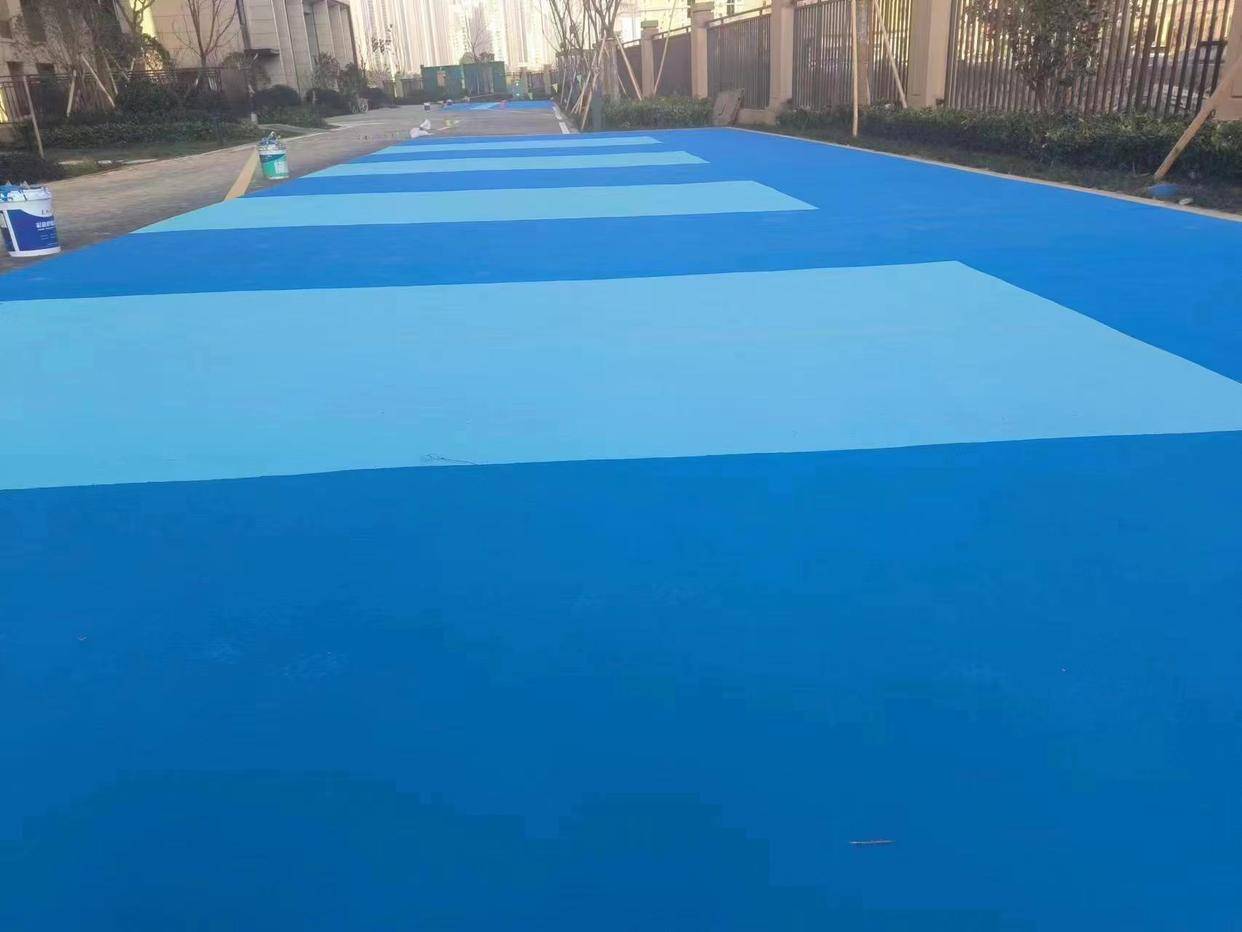
Different colors can define lanes, crossings, bus routes, and restricted areas.
High visibility surfaces help drivers quickly understand road conditions and respond appropriately.
Colored surfaces improve contrast under artificial lighting, making roads easier to navigate at night.
High friction colored road surfaces are commonly used in high-risk zones such as:
Intersections
Pedestrian crossings
Bicycle lanes
Highway ramps
School zones
By combining visibility and traction, they significantly reduce the likelihood of traffic accidents.
These systems are engineered for long service life under demanding conditions.
Key durability benefits include:
Resistance to heavy traffic wear
UV and weather stability
Strong adhesion to road substrates
Reduced maintenance frequency
This makes them a cost-effective solution for infrastructure projects.
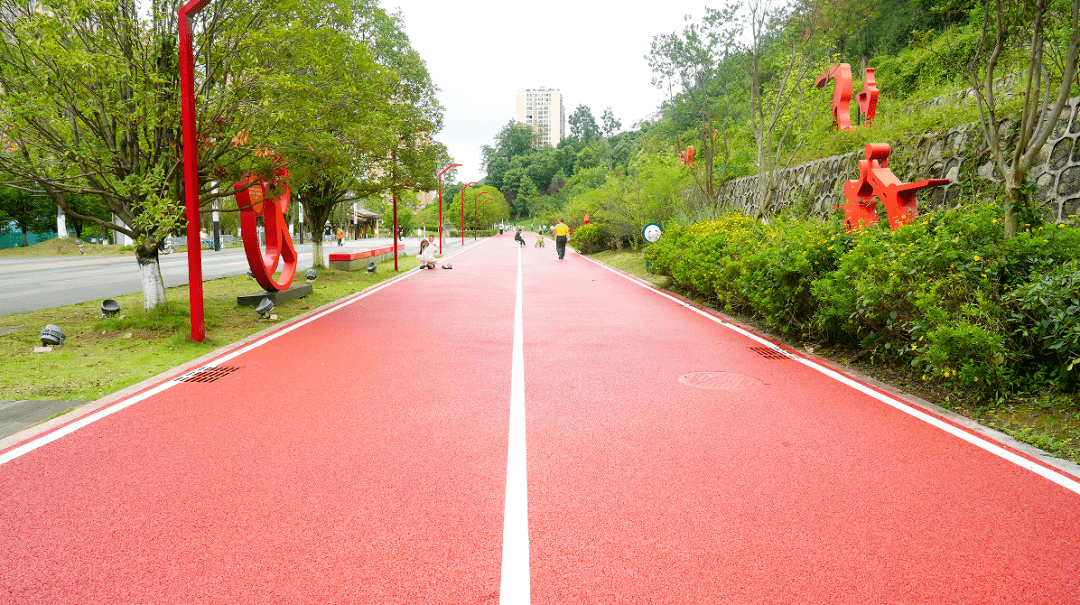
High friction colored road surfaces are used in a variety of environments, including:
Urban road networks
Expressways and highway junctions
Public transportation corridors
Industrial and logistics areas
Smart city mobility zones
Their versatility makes them suitable for both safety and traffic management purposes.
These surfaces also support broader urban development goals by:
Improving multimodal transportation safety
Enhancing pedestrian and cyclist protection
Supporting organized traffic flow systems
Reducing accident-related congestion
High friction colored road surfaces offer a powerful combination of safety, durability, and visual communication. By improving skid resistance and enhancing road visibility, they play a vital role in modern transportation systems and help create safer, more efficient urban environments.