Fast curing micro-surfacing is an advanced pavement maintenance technology widely used in modern road rehabilitation projects. It is designed to restore worn asphalt surfaces, improve skid resistance, and extend pavement service life while minimizing traffic disruption. Compared with traditional resurfacing methods, fast curing micro-surfacing provides a cost-effective and efficient solution for highways, urban streets, airport roads, parking areas, and bridge decks.
The system is typically made from polymer-modified asphalt emulsion, fine aggregates, mineral fillers, water, and performance additives. After mixing, the material is spread evenly over the existing pavement using specialized paving equipment. The fast-curing feature allows the surface to harden quickly, enabling roads to reopen to traffic within a short period of time. This greatly reduces traffic congestion and construction downtime, making it ideal for busy urban areas and high-traffic highways.
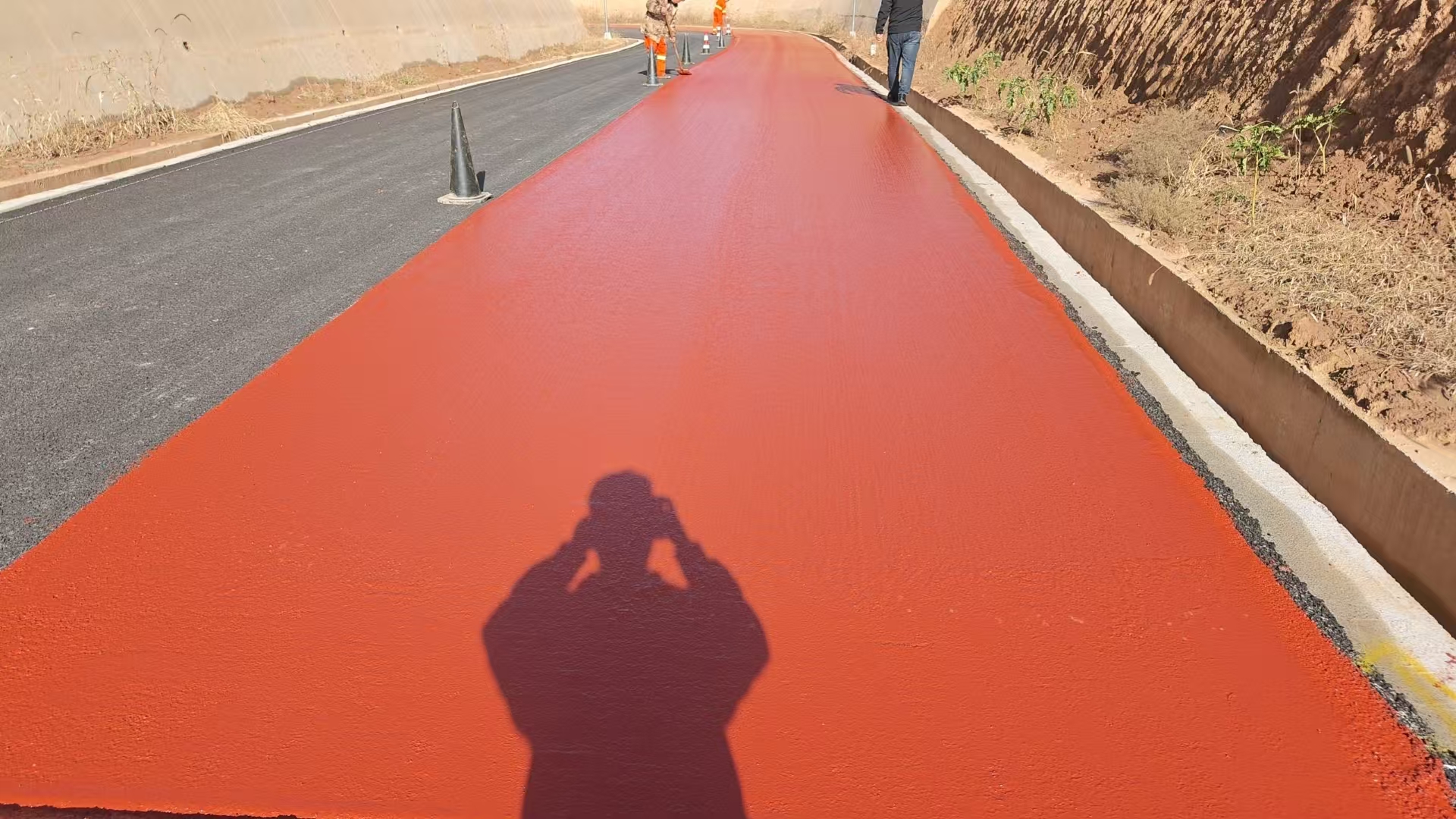
One of the key benefits of fast curing micro-surfacing is improved road safety. The renewed surface provides higher skid resistance and better tire grip, especially during wet weather conditions. It can also correct minor surface defects such as rutting, oxidation, small cracks, and uneven textures, helping create a smoother and safer driving experience.
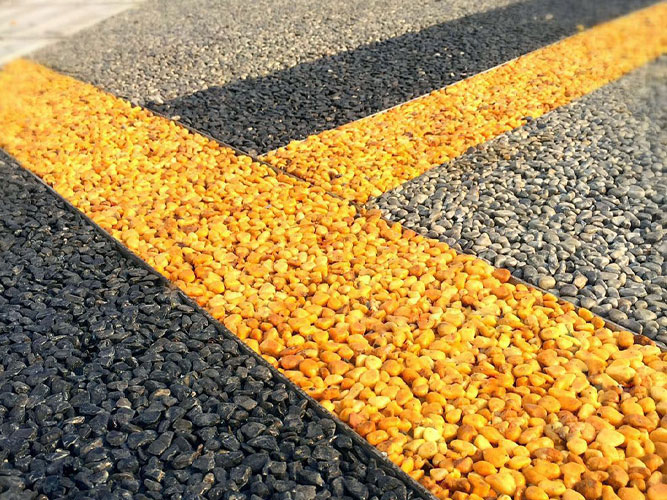
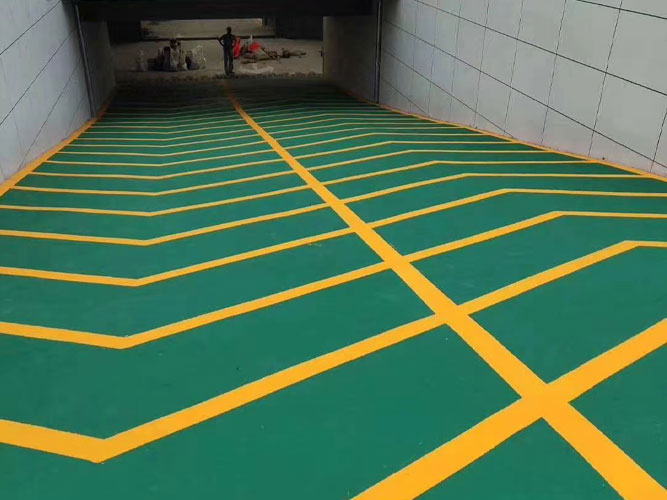
Another advantage is its durability and long-term performance. Polymer-modified materials enhance resistance to wear, aging, water penetration, and temperature changes. Colored micro-surfacing systems can also be used to improve road visibility and provide clear traffic guidance for bicycle lanes, bus lanes, and pedestrian zones.
In addition, fast curing micro-surfacing is considered an environmentally friendly road maintenance method because it uses fewer raw materials and requires less energy than full pavement replacement. The technology helps extend pavement life while lowering maintenance costs and reducing environmental impact.
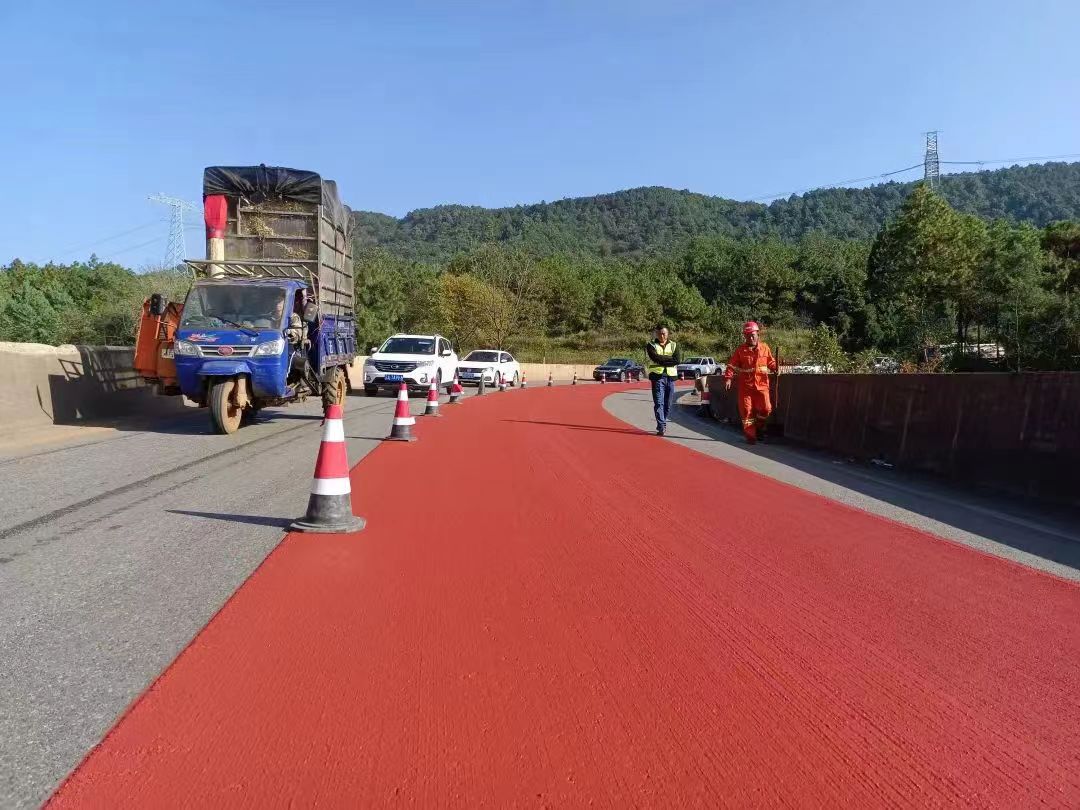
As transportation infrastructure continues to develop, fast curing micro-surfacing has become an important solution for efficient, durable, and sustainable road rehabilitation projects.